
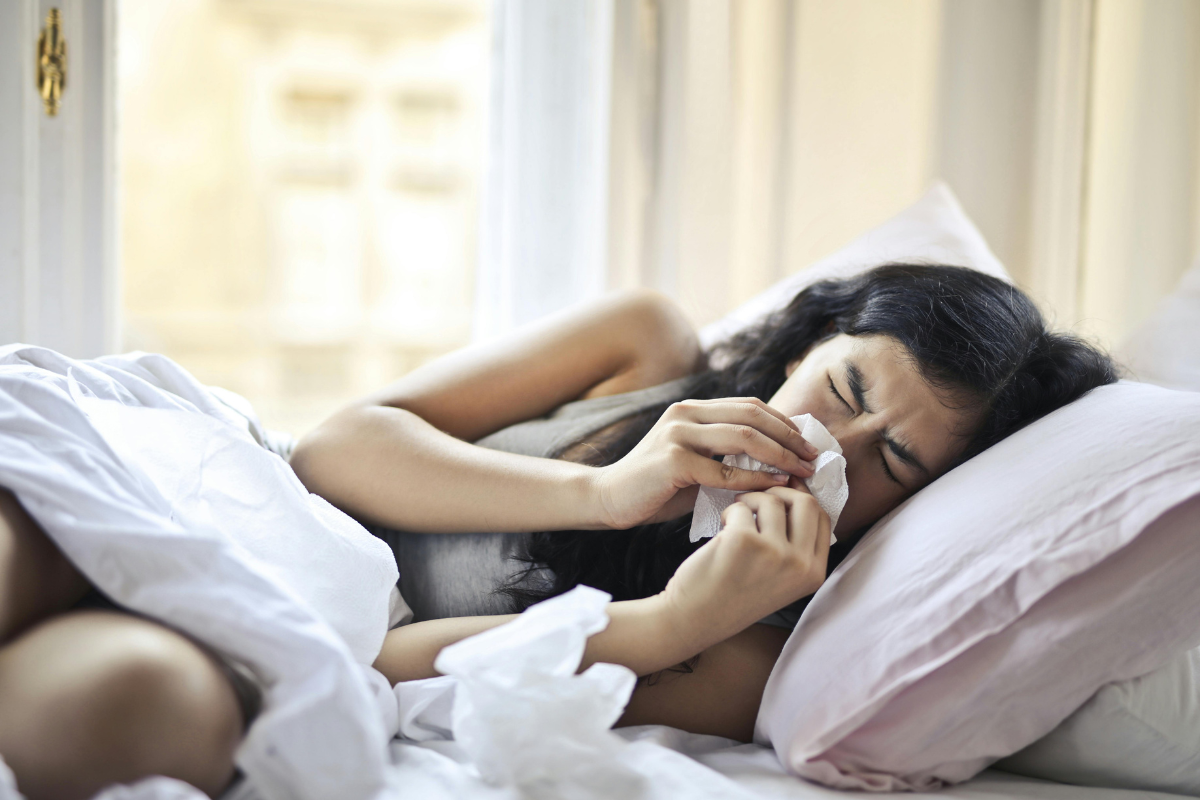
Pollen seasons are getting longer, driven by milder winters and earlier spells of warm weather. Some plant species, such as cypresses and birches, are also gaining ground in areas where they were previously absent, mechanically widening the period of exposure.
Every spring then becomes a harder period to get through for sensitive people: repeated sneezing, irritated eyes, a blocked nose. Symptoms that settle in for longer and earlier in the year, turning a seasonal phenomenon into a recurring constraint.
1 – Don't sleep with the windows open
The mildness of spring evenings invites you to leave a window ajar. Yet that's often the moment when outdoor air is most loaded with pollen and fine particles, which quietly make their way into the bedroom overnight.
-
With the window open, these settle on the sheets, the pillow and surfaces, and build up over the hours, at the very moment the body is recovering.
-
With the window closed, the air stays more stable, the bedroom becomes a more controlled space, better for resting the airways and for a more settled night.
2 – Avoid chlorine to limit allergies
Chlorine has an irritating effect on the airways and mucous membranes, particularly when they're already weakened by exposure to pollen.
A single session at the swimming pool can sometimes be enough to keep a cycle of irritation going: inflammation of the mucous membranes, heightened sensitivity, then worsening symptoms with each exposure. During periods of high pollen levels, this cumulative effect can become more noticeable.
Where possible, favouring a swim in fresh water limits this additional exposure. Failing that, a lukewarm shower after the pool helps soothe the airways and reduce prolonged contact with irritating residue.
3 – Consider immunotherapy
Desensitisation is one of the few approaches capable of having a lasting effect on pollen sensitivity. It rests on controlled, gradual exposure to allergens in order to accustom the immune system.
Today, the sublingual method is the most widely used: a drop or tablet placed under the tongue each day, with a dose of allergens that gradually increases. The protocol is regular, discreet, and runs over several months, sometimes several years, with effects that build over time.
4 – Avoid mowing the lawn
Mowing the lawn throws a large quantity of invisible particles back into the air, including pollen and plant fragments. Even short grass can become a significant source of exposure when it's cut.
During allergy season, it's better to avoid this task. When it can't be avoided, waiting for a damp day or handing the mowing to someone who isn't sensitive limits direct contact with these airborne particles.
5 – Avoid exercising outdoors
Physical activity naturally increases your breathing rate, which intensifies the inhalation of pollen in the air.
At the height of the allergy season, one outdoor session can be enough to trigger or restart symptoms. To reduce exposure, it's better to favour indoor alternatives: treadmill, yoga, strength training.
6 – Protect your nose if you have allergies
A greasy film (petroleum jelly, for example) applied at the entrance to the nostrils acts as a mechanical barrier.
Pollen grains settle on it before reaching the airways, which reduces how far they penetrate and limits irritation. This simple step helps reduce everyday discomfort, especially during periods of high exposure.
7 – Rinse your nose to head off allergies
Rinsing with saline solution or seawater sprays is a basic habit.
A rinse in the morning lets you start the day with clear nasal passages. A second in the evening helps remove the particles accumulated over the hours. This twice-daily cleaning helps reduce the allergen load and limit inflammation.
8 – Install an air purifier
An air purifier fitted with a HEPA 14 filter retains a large part of fine particles, including airborne allergens.
In a bedroom, its effect is particularly noticeable: the air becomes more stable, breathing more comfortable, and night-time waking linked to irritation can decrease. It acts as a continuous filter in an enclosed space.
9 – Dust to reduce allergies
Pollen doesn't only stay airborne: it also settles on everyday surfaces. Furniture, shelves, textiles, rugs — these areas become secondary reservoirs of allergens.
Regular cleaning, with a vacuum cleaner and a damp cloth twice a week, significantly reduces the build-up.
10 – Limit foods rich in histamine
Some foods can heighten allergic reactions by encouraging the release of histamine in the body: wine, chocolate, cured meats, nuts, tomatoes, citrus fruits and so on.
During sensitive periods, cutting back on them can help limit symptoms such as itching, sneezing or a runny nose. This isn't about cutting them out permanently, but a temporary adjustment for the duration of the allergy peaks.
11 – Wash your bedding regularly
Pollen doesn't only stay in the outdoor air: it also settles on clothes and hair and ends up in the bed.
Washing sheets weekly limits this build-up and avoids sleeping in an environment saturated with allergens. Cotton textiles, easier to care for and less prone to catching particles, also help reduce retention.
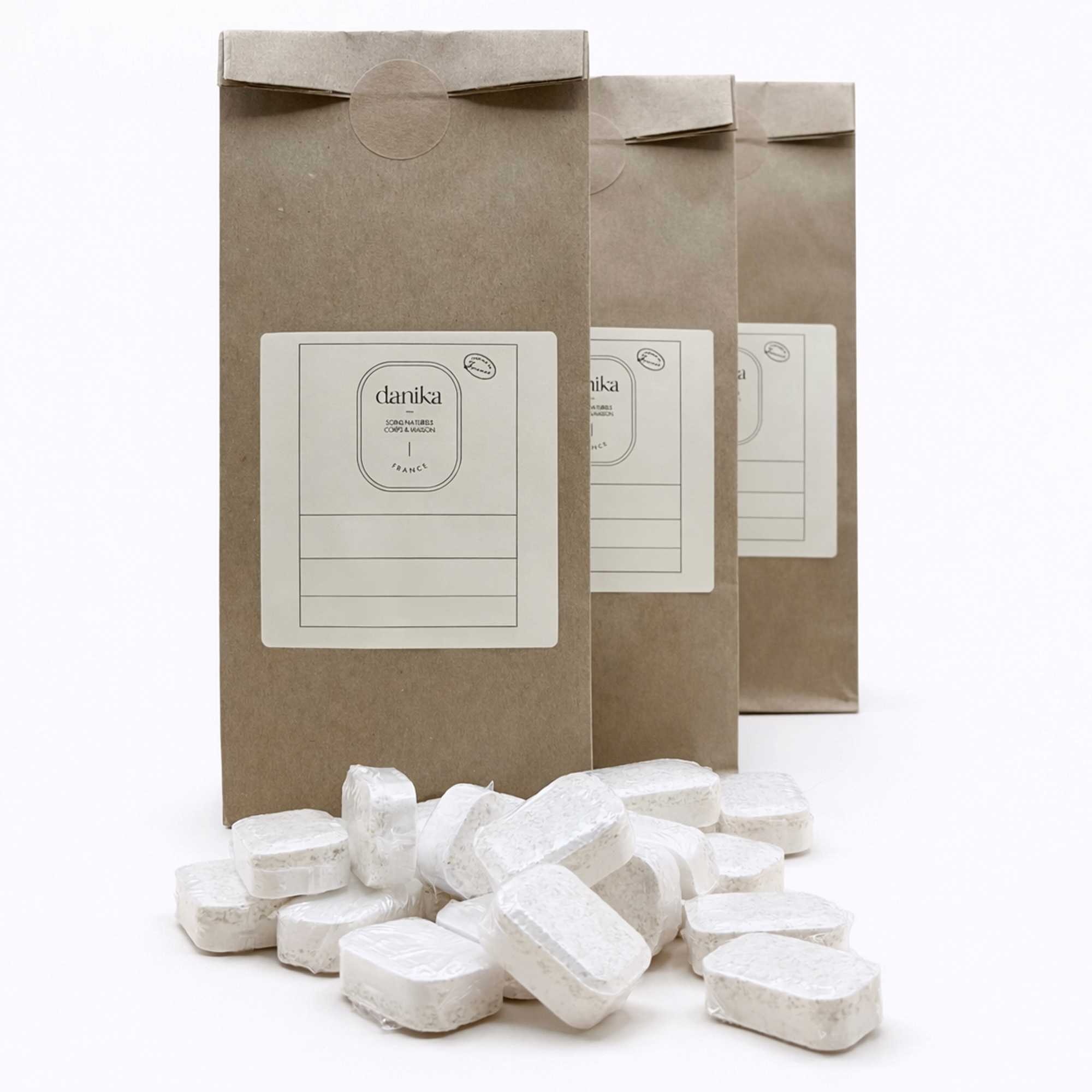
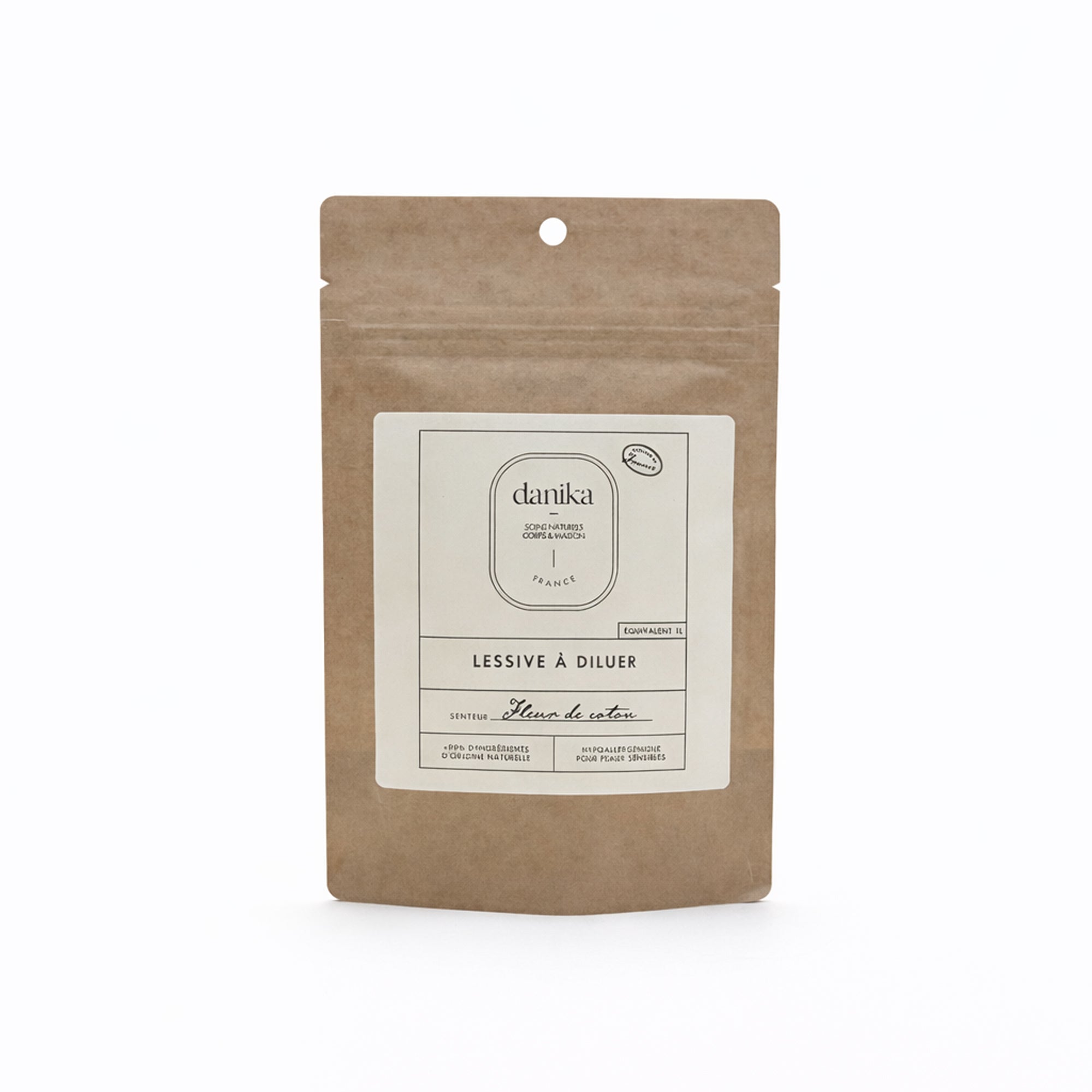
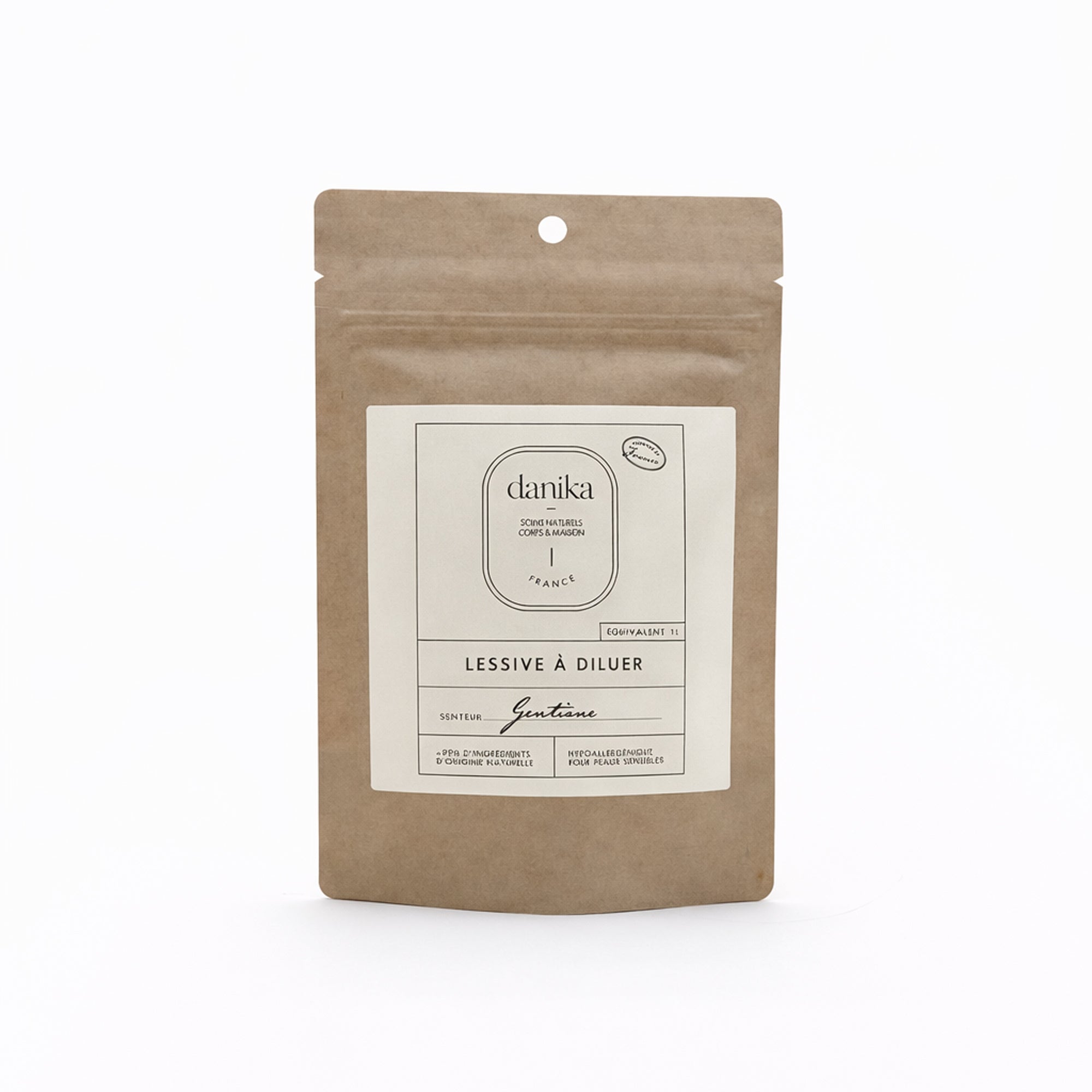
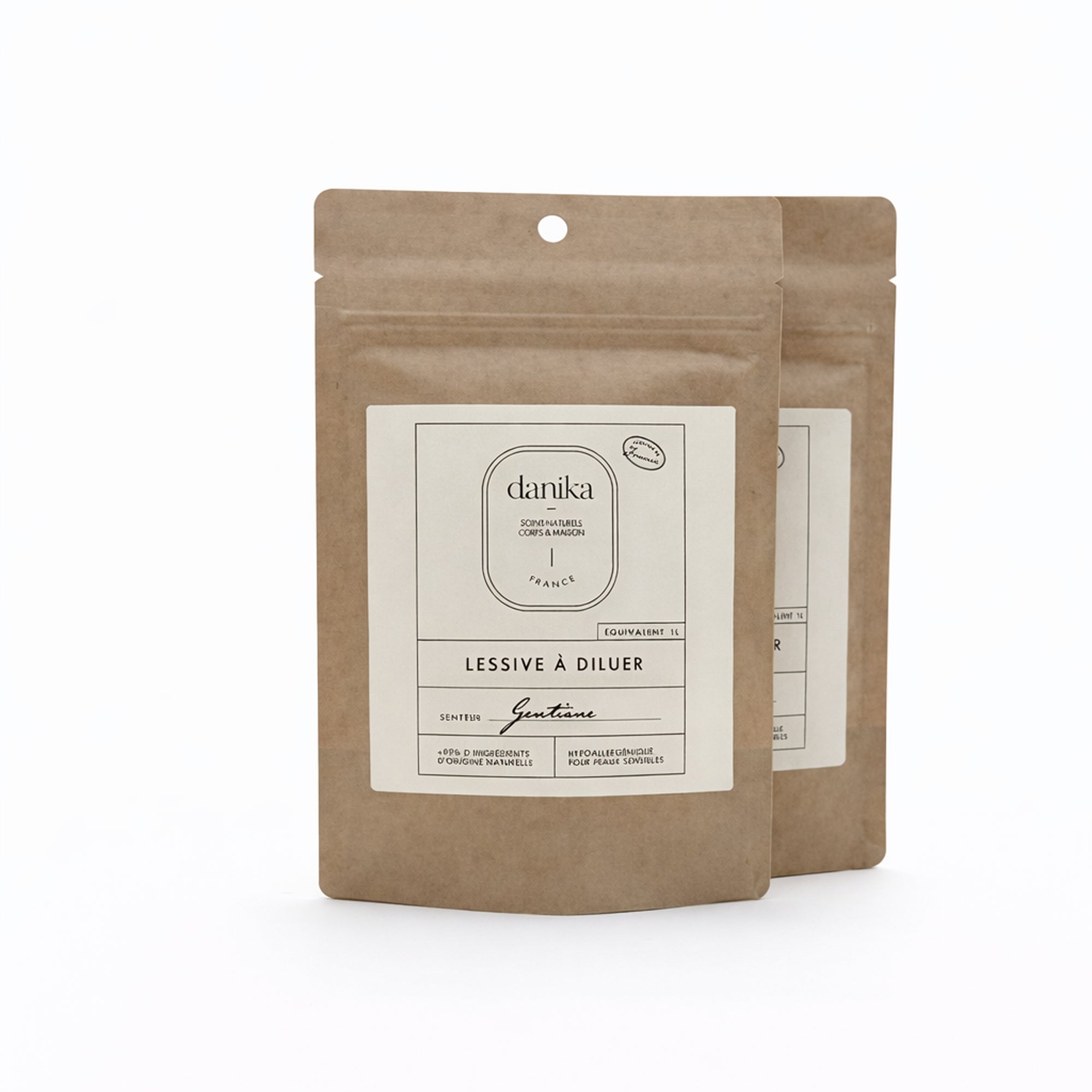
To wash your laundry gently, choose Danika's hypoallergenic laundry detergent.
12 – Dry your laundry indoors
Laundry dried outdoors in spring quickly picks up the pollen particles in the air.
Within a few hours, the fibres can retain a significant quantity of allergens, especially during heavy pollination. Once brought back inside, that laundry becomes an indirect source of exposure.
Drying indoors limits this: the air is more stable, the textiles stay clean, and the overall allergen load of the home falls.
13 – Wear sunglasses from spring onwards
Sunglasses aren't only for filtering light. They also act as a physical barrier against pollen.
By limiting direct contact between airborne particles and the surface of the eye, they reduce the irritation, stinging and redness often associated with seasonal allergies.
Wraparound models offer stronger protection. They limit air getting in at the sides and create a more stable protective zone around the eyes. The result: less watering and better visual comfort when you're out in spring.
14 – Drive with the windows closed
With the windows open, the car acts as a continuous air intake. As you drive, it draws in the pollen particles on the road and along the verges. Very quickly, that can mean irritated eyes, an itchy nose or breathing discomfort that settles in for the whole journey.
Keeping the windows closed, by contrast, stabilises the air in the cabin. Using air conditioning or air recirculation limits allergens getting in and clearly reduces exposure while driving.
15 – Air the house early in the morning or late in the evening
Pollen concentration climbs sharply during the day, with a clear peak around midday.
To avoid letting too much of it in, it's better to open the windows before 9am or after 9pm. You refresh the air, keep the house breathable and, along the way, limit sneezing fits.
16 – Wash your hands regularly
This point is completely underestimated: pollen doesn't stay outside.
It sticks to hands, face and clothes, even on a quick trip out. Then it comes back in with us without our noticing.
Washing your hands when you get in and splashing water on your face stops all that spreading around the house.
17 – Rinse your hair in the evening
Hair holds on to pollen rather like Velcro: outdoors, it easily catches the particles that settle throughout the day, especially when concentrations are high. Without thinking about it, we then bring them home, where they carry on spreading into the immediate environment, particularly onto pillows and bedding.
A simple rinse with clean water in the evening is enough to remove a large part of this residue. It limits pollen spreading overnight and reduces reactions on waking.
18 – Apply a floral water to the eyes
Cornflower water or German chamomile floral water are often used to soothe irritated eyes during pollen allergy season. Their gentle action helps calm the burning sensations, redness and stinging linked to repeated exposure to allergens throughout the day.
Applied for a few minutes with a clean, sterile compress, they give an immediate cooling effect.
19 – Change your clothes when you get in
Clothes act as genuine pollen traps during the day. Outdoors, the fibres easily retain airborne particles, and once you're back home, that pollen is gradually released into the indoor environment.
Changing your clothes as soon as you get in limits this invisible spread. By putting what you've worn straight into the laundry basket, you avoid transferring pollen into your living spaces and prolonging exposure after being out.
20 – Try steam inhalation
Inhaling hot water vapour helps clear the airways. The steam encourages the sinuses to open and thins secretions, which makes breathing more comfortable during allergy season.
A few minutes are enough to feel relief: congestion eases, the mucous membranes are less irritated and breathing becomes freer. Done at the end of the day, it can help soothe pollen-related discomfort.
Discover more advice in this article.
Best Sellers

Livraison gratuite dès 49€
Paiement sécurisé
Envoi rapide

Service client réactif