

We often associate eco-habits with simple actions: sorting waste, buying organic, reducing plastic, favouring so-called 'green' products. These habits have become standard. Yet some actions seen as positive can have a limited, or even counter-intuitive, effect.
Recycling: a useful habit, but overrated
Recycling has become one of the most visible symbols of new forms of responsible consumption. It gives an impression of direct, reassuring action, but its effectiveness depends heavily on local channels, industrial capacity and the materials themselves.
For example, not all plastics are recycled in the same way: some require complex, very energy-hungry treatments, others lack outlets and end up incinerated or exported. As for so-called 'recyclable' packaging, it isn't always recyclable in practice, for want of suitable infrastructure or sufficient sorting conditions.
The result? You can have the impression of reducing your impact while only shifting the problem.
The real room for improvement is upstream: reducing packaging, favouring reuse and rethinking our consumption habits.
Organic, local, imported: an equation that's often misread
The organic label is often associated with more responsible consumption. In agricultural terms, that's relevant, thanks to limited chemical inputs and better soil management.
However, this label doesn't take into account the entire environmental impact… A product can be organic while being transported over long distances. It can also be produced out of season, or stored and processed industrially. And in some cases, this can lead to an overall carbon footprint higher than that of a local non-organic product.
The most coherent approach rests on three complementary criteria: seasonality, proximity and restraint.
Biodegradable products: a promise to keep in perspective
The term biodegradable suggests a natural disappearance in the environment. In reality, breakdown depends on very specific conditions such as temperature, humidity and the presence of micro-organisms. Yet some materials need specific industrial environments to break down properly. In nature, they can persist for a long time and fragment into microparticles.
Washing machines and short cycles: often a misleading saving
It isn't the length of the programme that counts, but the wash temperature and how you manage the load.
Short programmes are often perceived as more economical: less time, so fewer resources. In reality, they compensate for the reduced time with higher intensity, which can increase energy consumption depending on the machine and use. Conversely, a classic low-temperature cycle, well loaded, with the right amount of detergent, is often more effective.
Washing up by hand: a false eco-obvious
Washing up by hand is often seen as a more natural, and therefore greener, action. However, a continuously running tap can use more water in a few minutes than a modern, optimised dishwasher. Conversely, a poorly used appliance loses part of its environmental advantage.
In the end, the impact depends less on the method than on usage habits.
Green products and misleading packaging
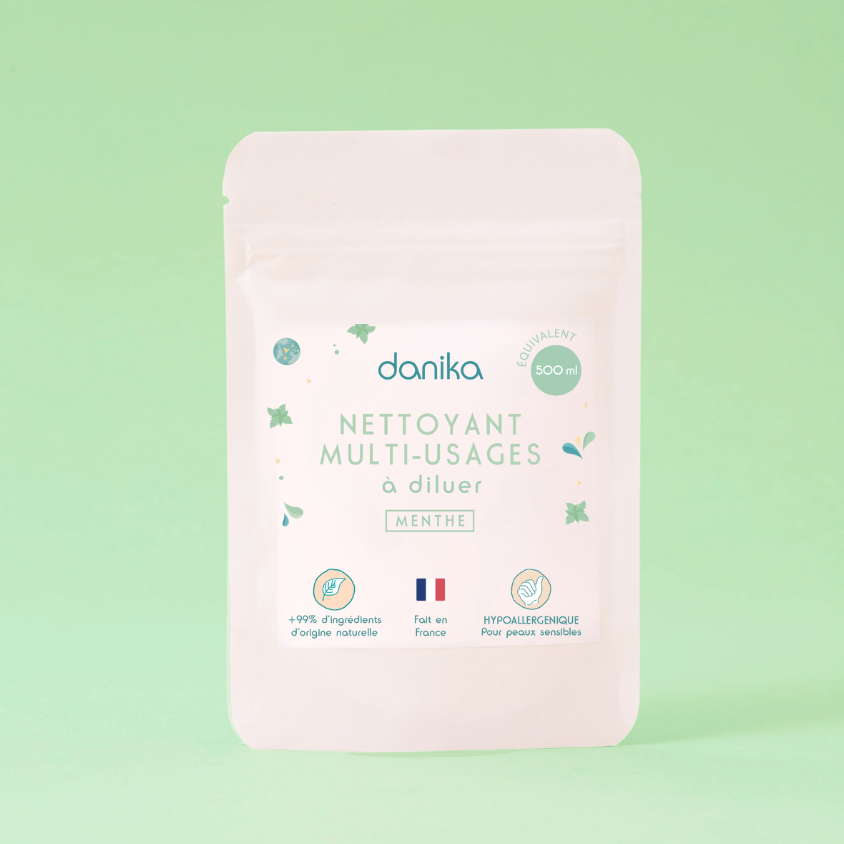
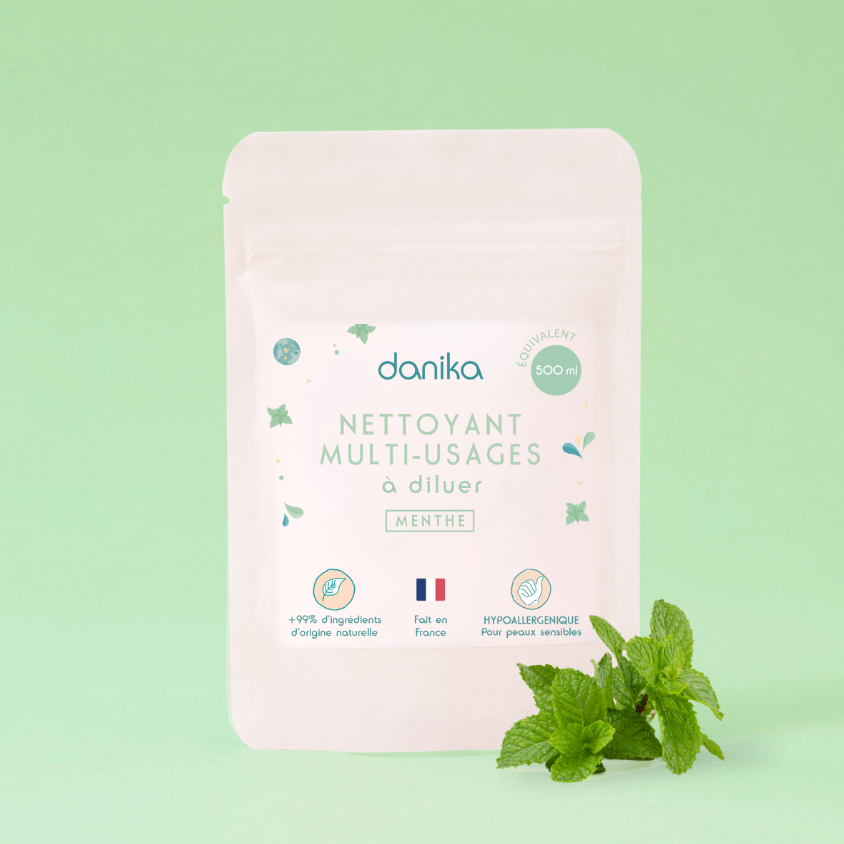
So-called 'green' products and packaging presented as eco-friendly can give an impression of more responsible consumption. The colours, wording and arguments used often reinforce this perception of sustainability.
Yet behind these visual codes, the reality is more mixed. Some materials need specific treatment conditions to be genuinely recycled or broken down, while some products rely more on a communication strategy than on a real reduction of their environmental impact.
It's in this gap between the promise on display and real performance that greenwashing takes hold: communication that promotes eco-friendly qualities without those always being measurable or verifiable.
The challenge is then to distinguish what's talk from what's fact, relying on concrete elements rather than purely visual or marketing signals.
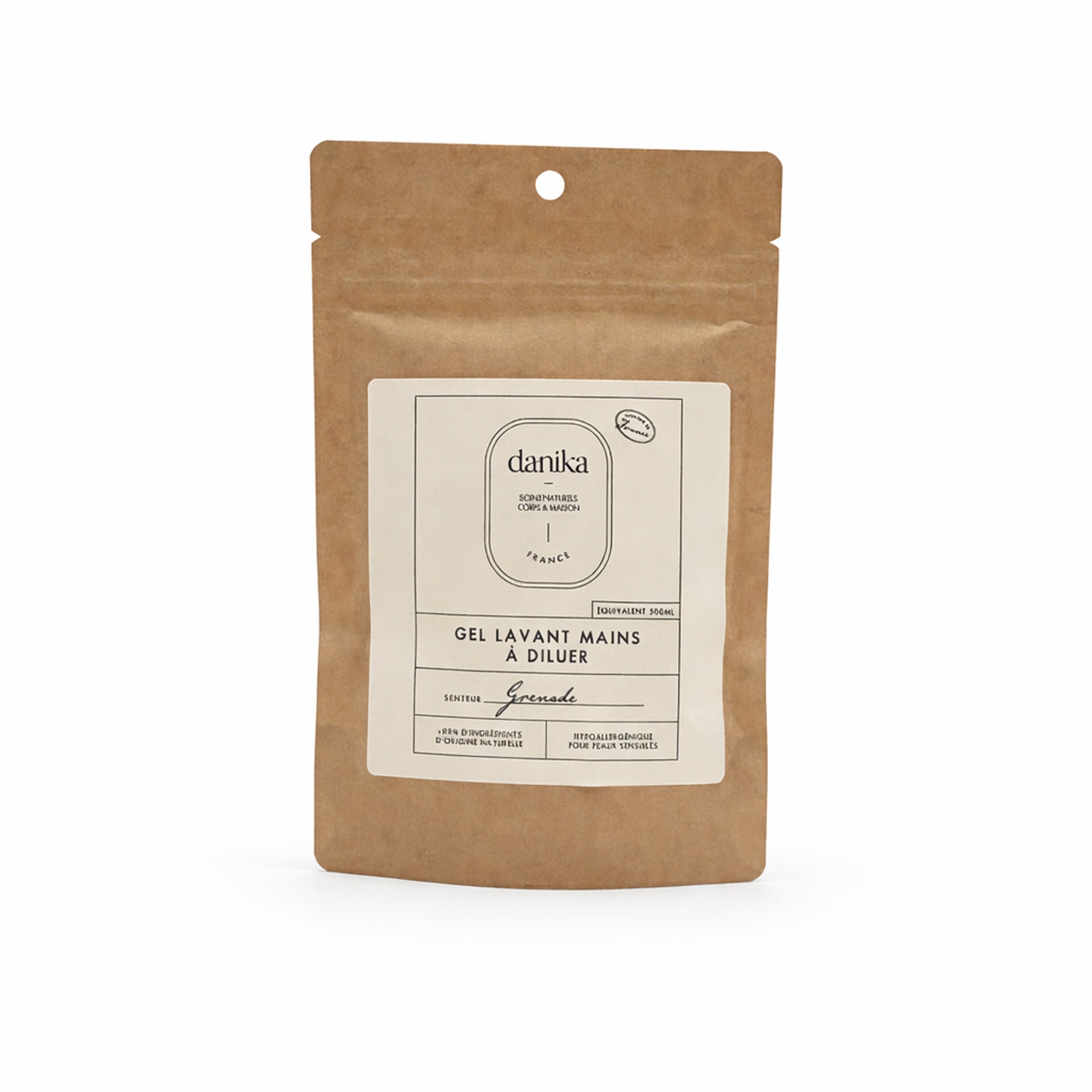
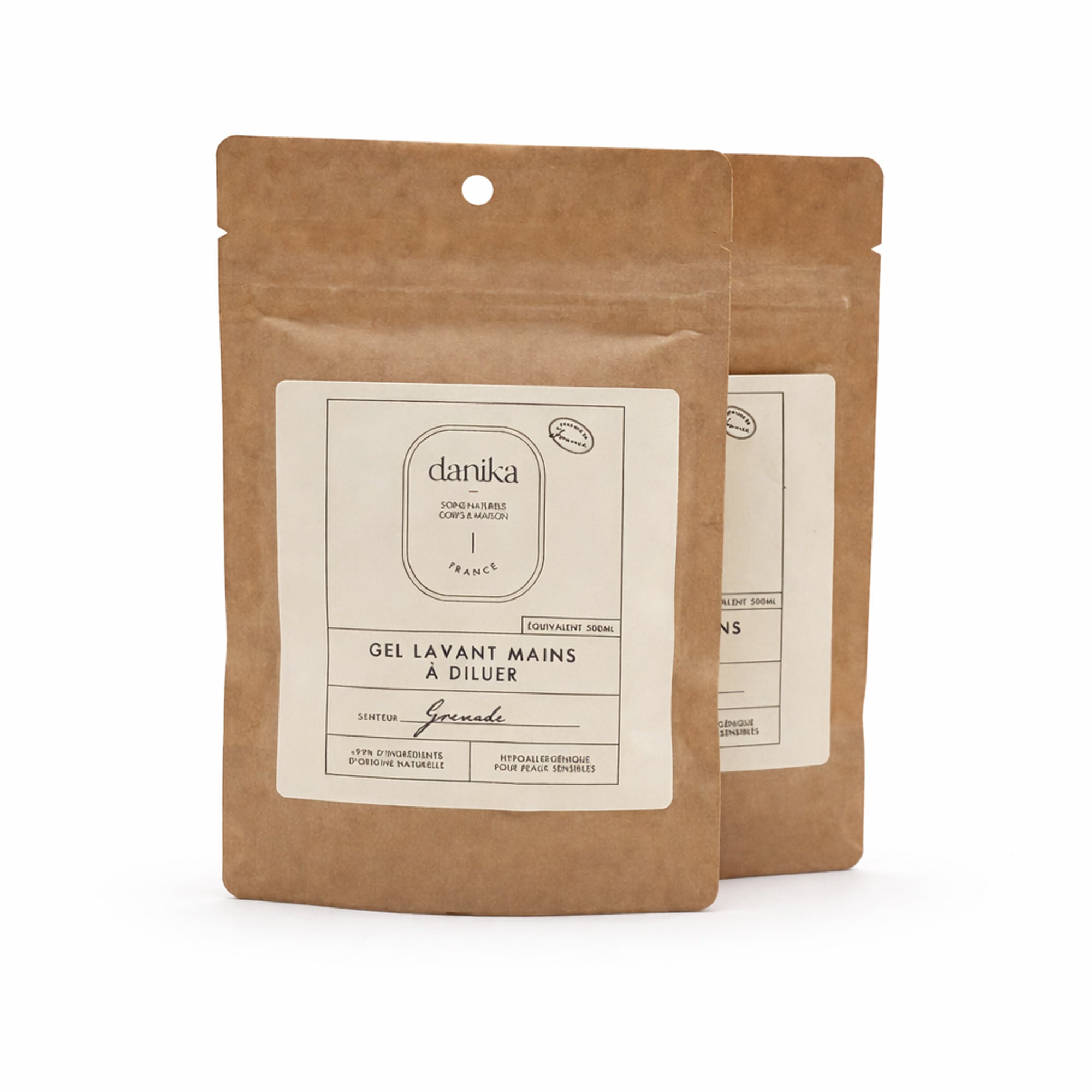
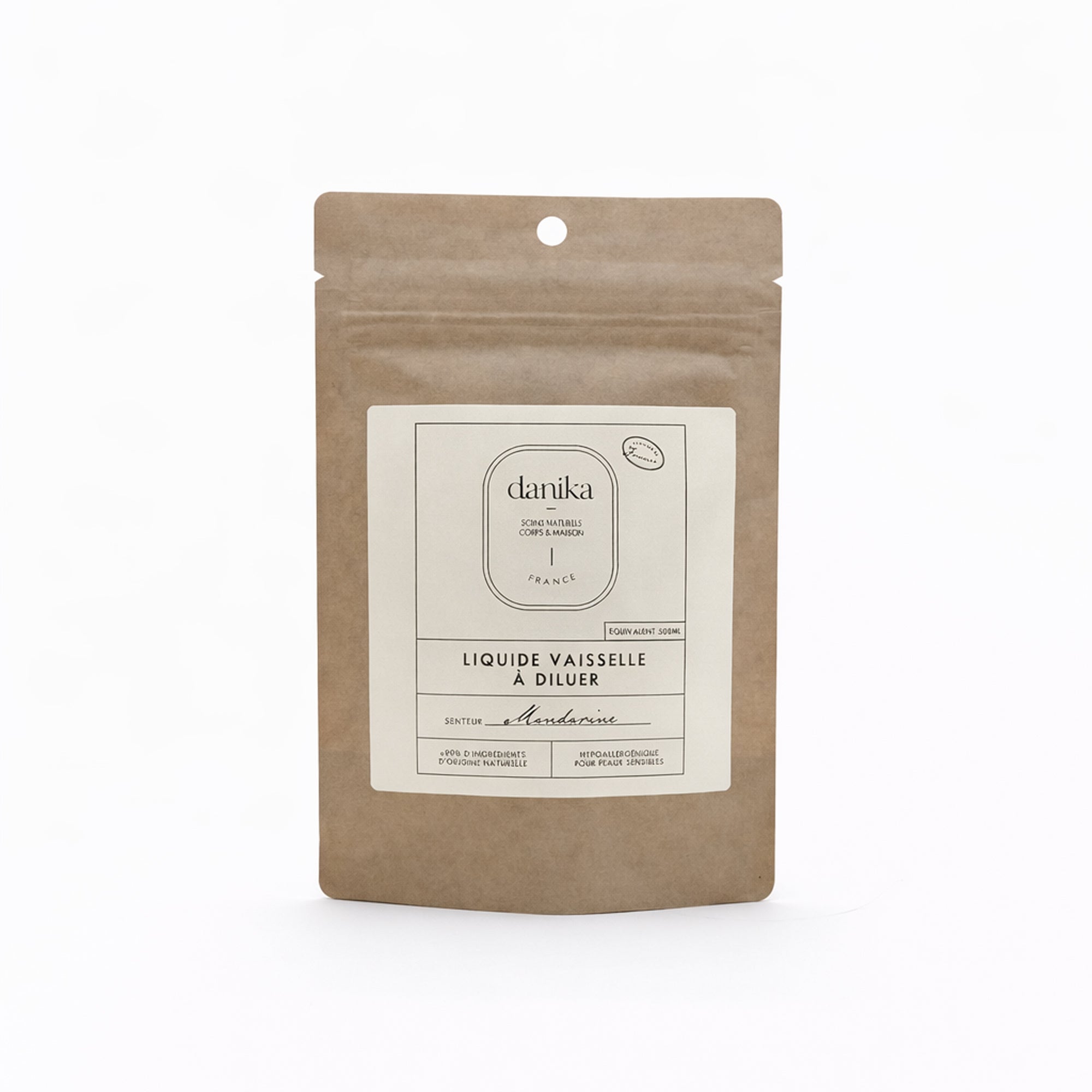
At Danika, the packaging is genuinely biodegradable. It's so simple it can even be composted (after removing the label).
What we often underestimate: how long objects last
Environmental impact doesn't depend only on production or recycling, but above all on how long something is used.
The longer an object is kept, repaired, reused or shared, the smaller its footprint over its whole life cycle. Conversely, a product replaced regularly, even when eco-designed, can end up generating a greater overall impact.
FAQ
Is sorting waste enough to reduce your environmental impact?
Sorting waste is a useful step, but it comes very late in the consumption chain. It helps direct certain materials towards recycling channels, but it doesn't address the main issue: the amount of waste produced.
In reality, the biggest environmental impact happens upstream, at the point of production and consumption. Reducing packaging, avoiding disposable products and extending the life of objects often have a far more significant effect than recycling itself.
Sorting therefore remains good practice, but it's insufficient if it isn't accompanied by a logic of reduction at source.
Is buying organic always better for the environment?
Organic is associated with more regulated farming practices: limited synthetic pesticides, respect for soils, preservation of biodiversity. In production terms, it therefore has real environmental advantages.
However, its overall impact also depends on other, often forgotten factors: transport distance, the seasonality of products and how they're stored. An organic product flown in or out of season can generate a higher carbon footprint than a locally, conventionally grown product.
The value of organic is therefore real, but it must be placed within a broader vision of responsible consumption, including local, seasonal and frugal choices.
Do biodegradable products really disappear in nature?
The term 'biodegradable' means a material can be broken down by micro-organisms under certain conditions, but those conditions aren't always met in nature.
Temperature, humidity, oxygen and time all play a decisive role. Some materials need specific industrial environments to break down properly. In a typical natural setting, breakdown can be very slow and fragment waste into microparticles.
So 'biodegradable' doesn't mean immediate disappearance or the absence of environmental impact.
Are machines' short cycles really greener?
The short programmes on washing machines or dishwashers are often perceived as more economical. Yet they work differently from standard cycles.
To make up for the reduced time, appliances may increase the temperature or intensity of the wash, which sometimes leads to higher energy consumption. Their effectiveness therefore depends heavily on the model, the load and the type of soiling.
In many cases, a standard low-temperature cycle remains more energy-efficient, especially when it's well optimised.
Is washing up by hand greener than a dishwasher?
It all depends on how you do it. Washing up by hand with a continuously running tap can use far more water than a modern, well-filled dishwasher.
Conversely, a dishwasher used for small amounts or poorly loaded can lose its environmental advantage.
So it isn't the method that's decisive, but how you use it: quantity, duration and water management. Recent appliances, used optimally, are often more frugal than uncontrolled hand-washing.
Do eco-labels really guarantee a low impact?
Eco-labels provide useful reference points, but they don't always cover a product's entire life cycle. Some focus on composition, others on manufacturing processes or partial criteria.
They allow products to be compared, but don't systematically guarantee a low environmental impact across the whole chain (production, transport, use, end of life).
It's therefore best to see them as partial indicators, to be complemented by a broader analysis.
Does greenwashing influence our eco-behaviour?
Yes, significantly. Greenwashing relies on the use of visual codes, terms or environmental promises that give an impression of responsibility without any real change in practices.
This can steer consumption choices towards products perceived as 'green' when their real impact remains close to that of conventional alternatives.
This phenomenon maintains a confusion between eco-friendly image and real environmental performance, which sometimes makes eco-habits less effective than they seem.
What's the most effective everyday eco-action?
The most effective actions aren't always the most visible. Contrary to some received ideas, small isolated actions have a limited impact if they aren't part of an overall logic.
The most powerful levers remain: reducing overall consumption, limiting non-essential purchases, extending the life of products and choosing repairable or reusable items.
The main challenge isn't to multiply eco-actions, but to reduce what generates the most impact at the source: production and overconsumption.
Best Sellers



Livraison gratuite dès 49€

Paiement sécurisé

Envoi rapide

Service client réactif