

Stopping waste isn't about radical change, but about a sum of simple decisions repeated every day: buying better, using better, repairing, reusing and sorting better.
Here are 12 concrete levers to effectively reduce waste at home, without complexity and without overhauling your habits.
1 - Buying differently to prevent waste at the source
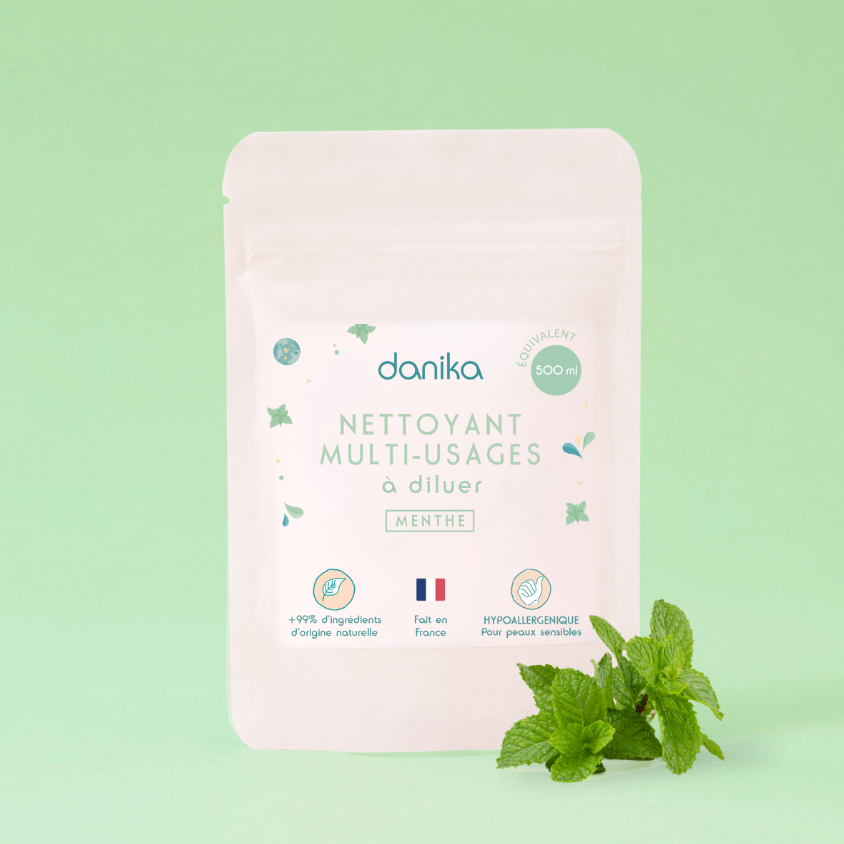
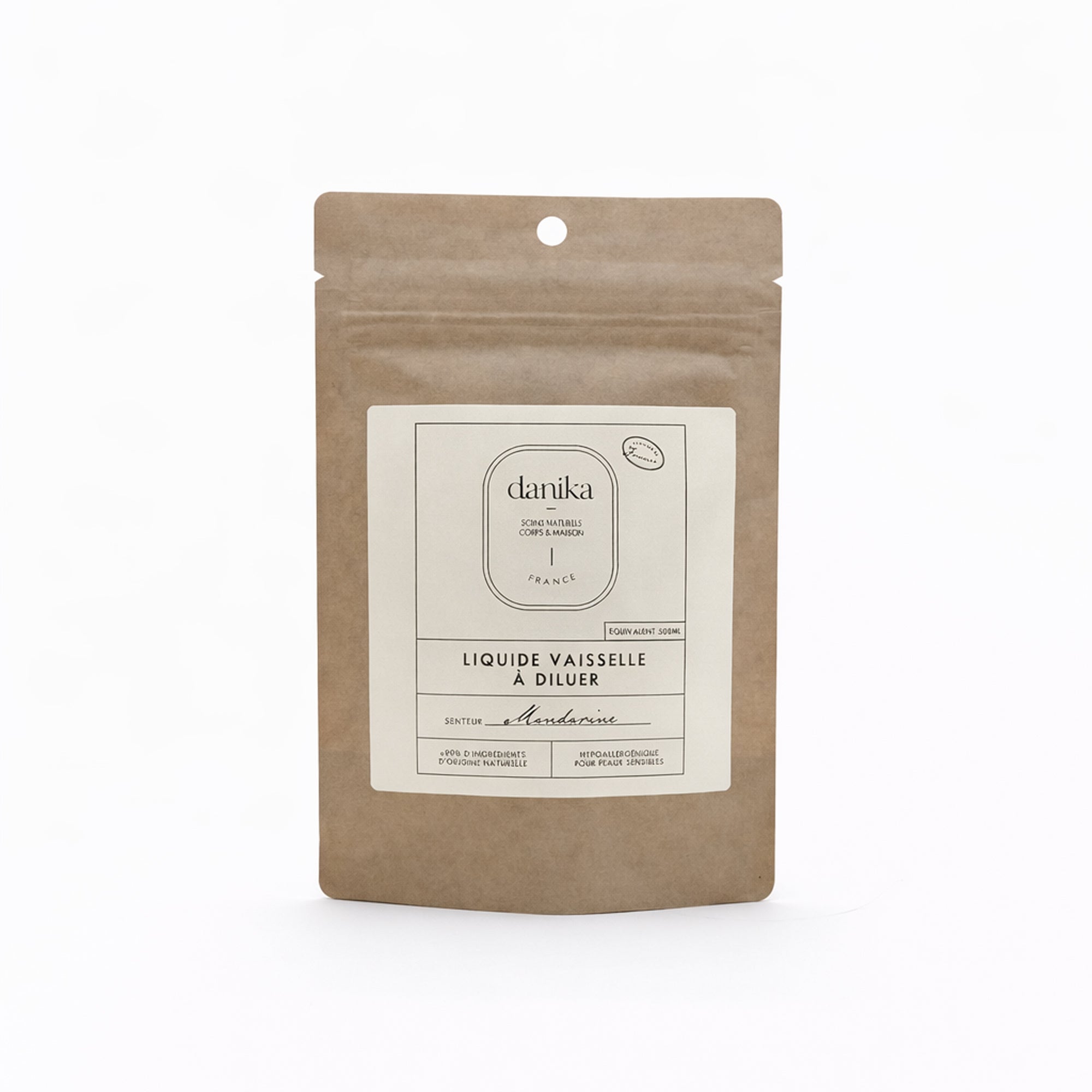
It all starts before use: at the point of purchase. Favouring loose products and refills immediately reduces unnecessary packaging and single-use products. Homemade products or multi-purpose cleaners can also replace a large part of everyday products.
Another habit: avoiding automatic new purchases. Second-hand, refurbished or rental options extend the life of objects that already exist. In the same logic, choosing durable, repairable products remains an important lever for limiting overconsumption.
2 - Stopping waste: making better use of what you already have
Reducing waste also means learning to make better use of what you already have at home.
Food waste is easily limited with a few simple habits: better meal planning, organising your fridge more clearly and freezing leftovers rather than forgetting them.
Around the home, the right doses also make a difference. Using the right amount of household products avoids overdosing and extends their life.
Day to day, small actions are enough to reduce the impact: printing only when necessary, favouring double-sided and avoiding unnecessary printing.
3 - Maintaining and repairing to extend the life of objects
A properly maintained object lasts longer and often avoids premature replacement.
Before throwing something away, it's always worth checking whether it can be repaired. Today, many resources help diagnose and fix common faults, without necessarily replacing the item.
In many cases, appliances sent for repair aren't broken, but simply poorly maintained or clogged.
A few simple actions are enough to make a difference. A washing machine, for example, lasts longer when it's regularly maintained.
A fridge or freezer works more efficiently when it's regularly defrosted and cleaned. Even a vacuum cleaner keeps good performance with simple upkeep of the filters and accessories.
4 - Reducing waste day to day: reuse, donate or resell instead of throwing away
Before throwing an object away, there's an intermediate step: finding it a new use.
A textile can easily become a cloth, a jar can serve as storage, a box can double as a drawer organiser. These small repurposings extend the life of objects with no particular effort.
When an object is no longer useful to you, it can still serve elsewhere. Charities collect, sort and redistribute clothes, furniture, appliances or toys, often after refurbishment.
Reselling is another simple, effective option. It keeps objects in circulation, avoids unnecessary new production and directly reduces waste, while giving a second use to what you no longer use.
5 - How do you limit waste? Sort and recover it better
Properly sorted waste isn't an end in itself: it's often the start of a new cycle.
Recycling turns glass, plastic or metal into new materials, provided the sorting instructions specific to each area are followed.
Bio-waste can be recovered through composting to produce a natural fertiliser for soils. In town as in rural areas, solutions exist: communal composters, wormeries or individual systems.
What's more, more and more local authorities are developing separate collection of bio-waste, to produce compost or biogas and reduce the share of waste incinerated or landfilled.
6 - Managing specific waste properly to stop waste
Some waste can't follow the usual sorting routes and needs dedicated channels. This includes electrical appliances, batteries, textiles, furniture and hazardous products. Recycling centres, in-store collection points, textile banks and pharmacies help direct them to the right treatment and recycling channels.
7 - Adopting anti-waste habits: energy, water and digital
Waste isn't only about the visible objects of everyday life. A large part happens silently.
Energy is often consumed without real attention: appliances left on standby, heating set too high or lighting used unnecessarily. To stop waste, you simply need to take back control of these automatic behaviours and switch off what doesn't need to run continuously.
Water follows the same logic. A slight leak, a badly closed tap or prolonged use can generate significant losses in the long run, without being immediately noticeable. Here too, stopping waste rests on simple, everyday habits of vigilance.
Finally, digital has a real impact: a build-up of useless emails, storage of files never looked at or excessive streaming all draw on energy-hungry servers. Here, stopping waste means regular tidying and more conscious use of digital habits.
8 - Reducing food waste day to day
Food waste often comes from bad habits: poor storage of food, unplanned purchases or confusion between the different use-by and best-before dates.
To stop waste at this level, it all starts with better meal planning. Planning what you'll eat during the week lets you buy more accurately, avoid duplicates and limit products forgotten at the back of cupboards or the fridge.
Organising the fridge also plays a key role: placing the oldest products at the front, clearly separating food categories and respecting the cold zones helps extend their life and avoid unnecessary losses.
9 - Wasting less: consuming differently thanks to the sharing economy
Not all objects need to be owned to be useful.
Renting and borrowing let you use only what you need, when you need it. It's a simple way to reduce the waste linked to one-off or under-used purchases.
10 – Avoiding waste linked to impulse buys and over-packaging
A large part of waste happens before use, right at the moment of purchase.
Bulk promotions, “buy 2 get 1 free” offers or impulse buys often lead to accumulating products that won't be used in time. Over-packaging also adds to the problem. Some products are packaged in multiple or superfluous wrapping, generating waste with no real added benefit.
To stop this kind of waste, a simple principle remains the most effective: buy only what you really need, and at the right time.
11 – Tackling textile waste
The textile industry is one of the sectors most affected by waste.
Clothes are now bought more often than they're worn, in a logic of rapid turnover. This leads to significant overproduction and an accumulation of little-used pieces.
To limit this impact, several levers exist: buying less but better, favouring quality clothes, extending their life through repair or choosing second-hand. Every garment kept longer directly reduces the pressure on resources.
12 – Understanding a product's life cycle
Every object follows a complete cycle: extraction of raw materials, manufacture, transport, use, then end of life.
At each of these stages, resources are consumed: energy, water, raw materials, logistics. When a product is thrown away too early, all these resources are lost.
Understanding this cycle helps better gauge the impact of our purchases and uses. Extending a product's life, even by a few months, is already enough to reduce its overall footprint and therefore the associated waste.
Practical actions to reduce waste starting today
-
Buy only what you need
-
Finish products before buying more
-
Repair before replacing
-
Donate or resell what's no longer used
-
Switch off unused appliances
In summary
Stopping waste rests on simple but powerful habits: buying better, using better, extending the life of objects, reusing and sorting better.
Taken separately, these actions seem minor. Together, they profoundly transform the way we consume.
Best Sellers

Livraison gratuite dès 49€
Paiement sécurisé
Envoi rapide

Service client réactif