

Being an eco-conscious parent doesn't mean completely transforming your life or spending more. A few simple everyday habits are enough to protect the planet while giving your children a healthy, safe environment. Every action, however small, can easily fit into your family routine.
Eco-conscious parents: start with food
When you want to adopt responsible habits, food is often the first area to act on:
-
Favour local and seasonal produce.
-
Give leftovers a second life.
-
Plan your meals.
-
Compost food waste.
Eco-conscious families: making the home greener
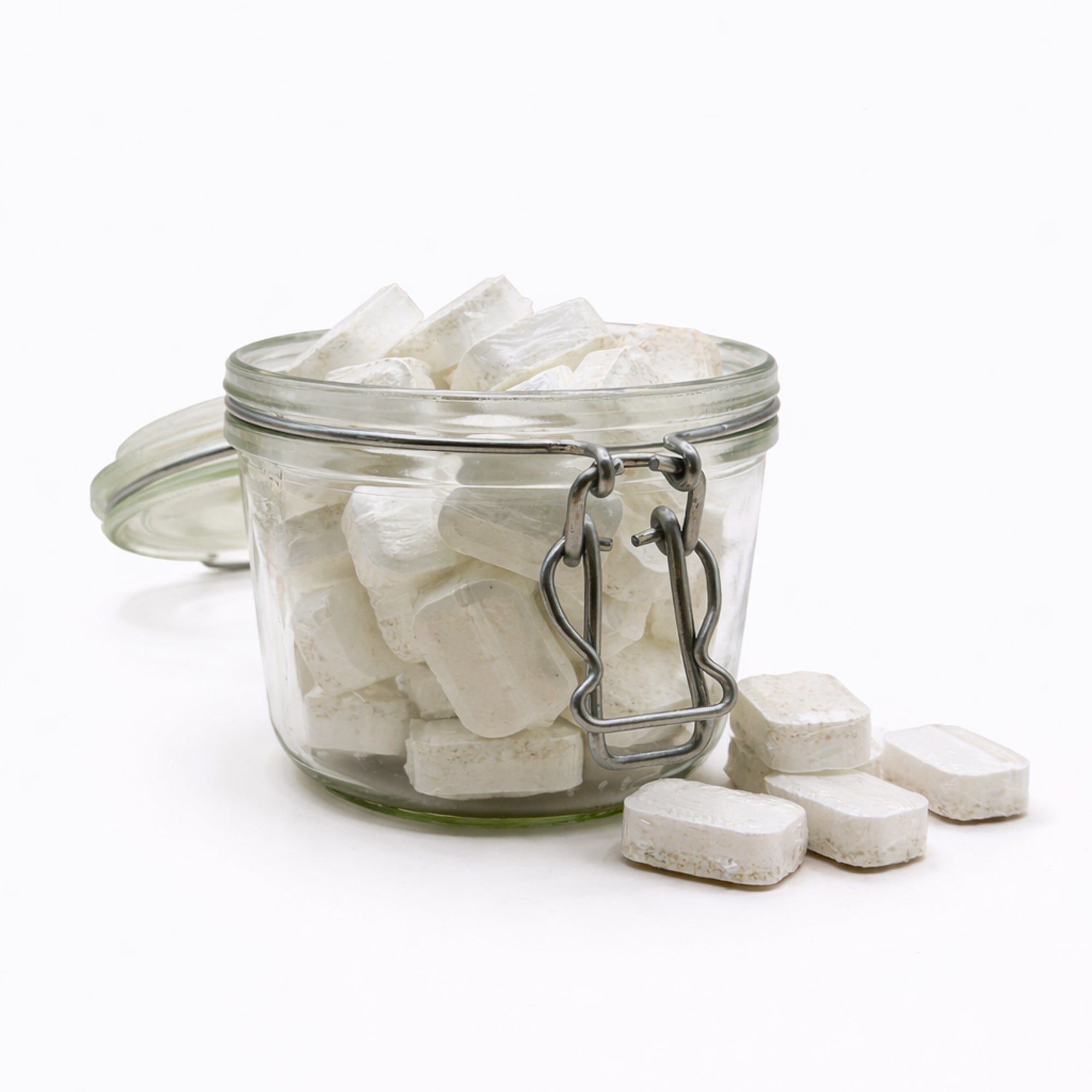
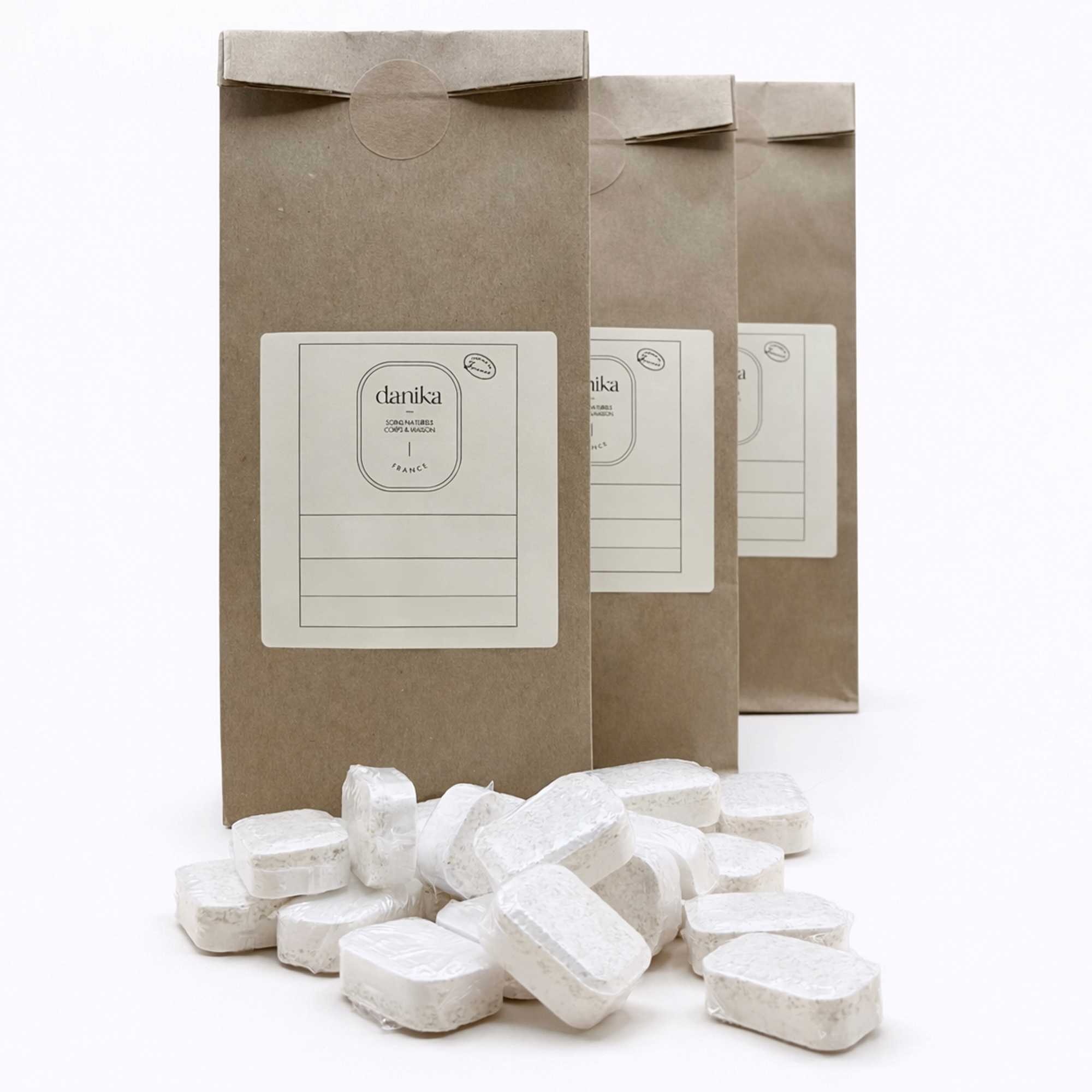
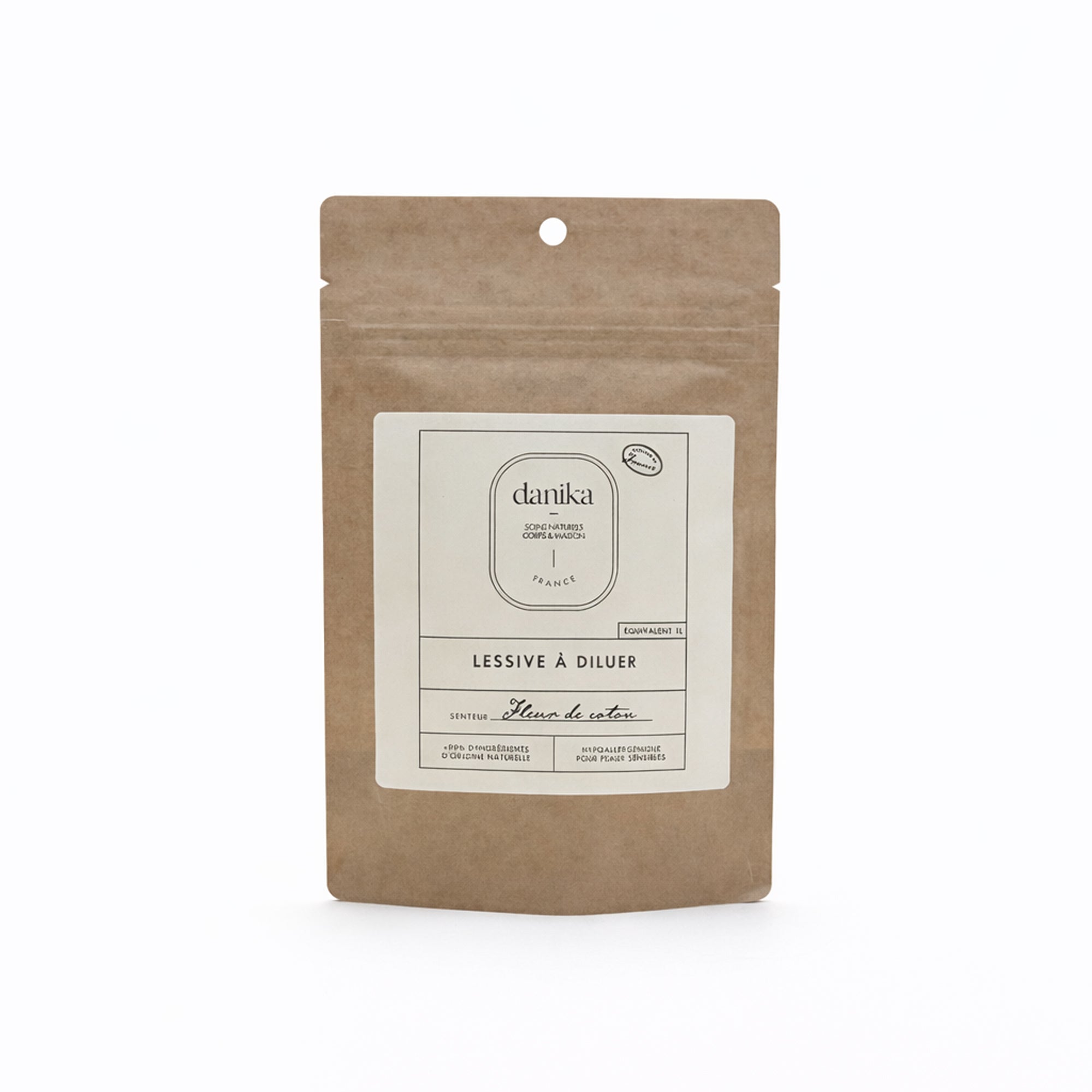
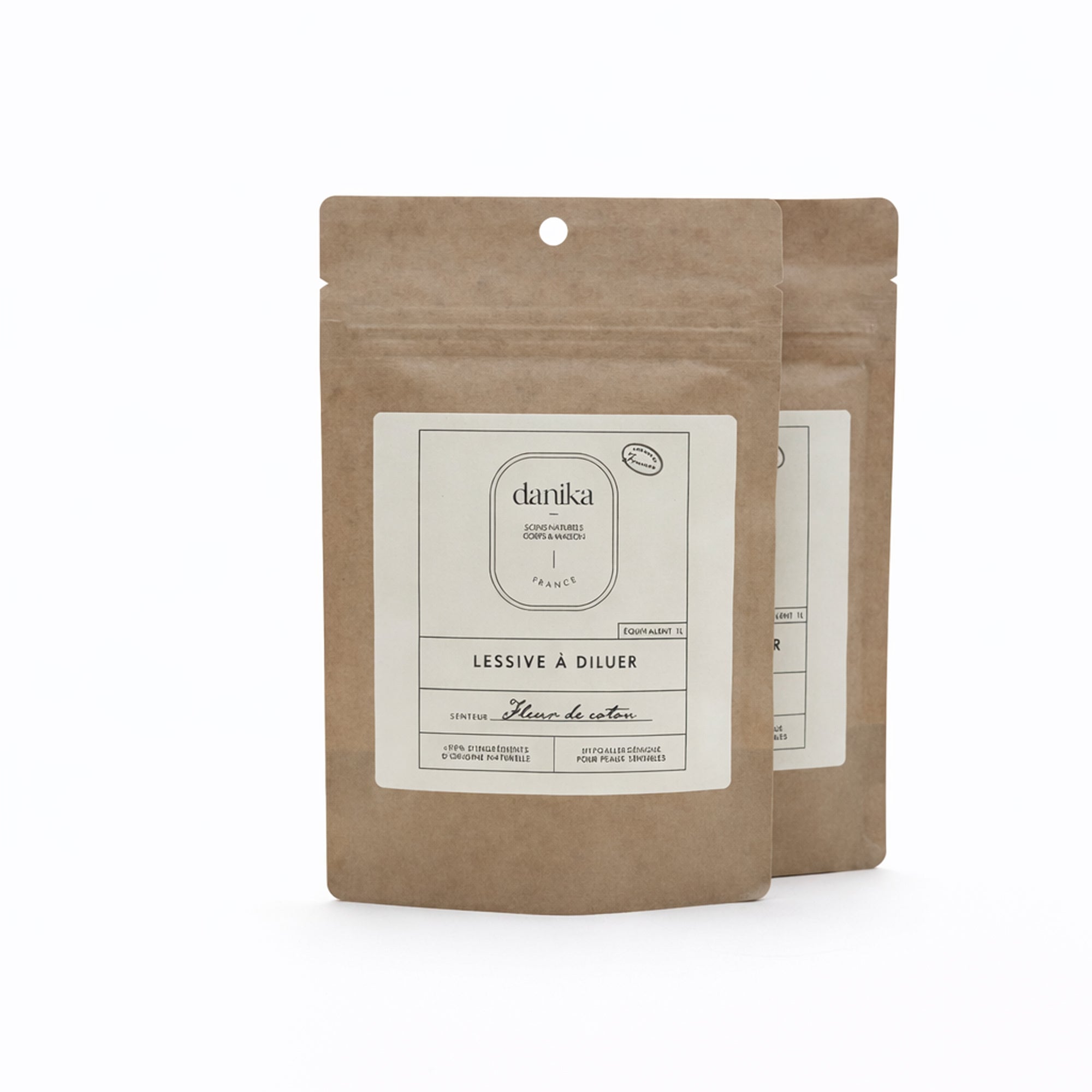
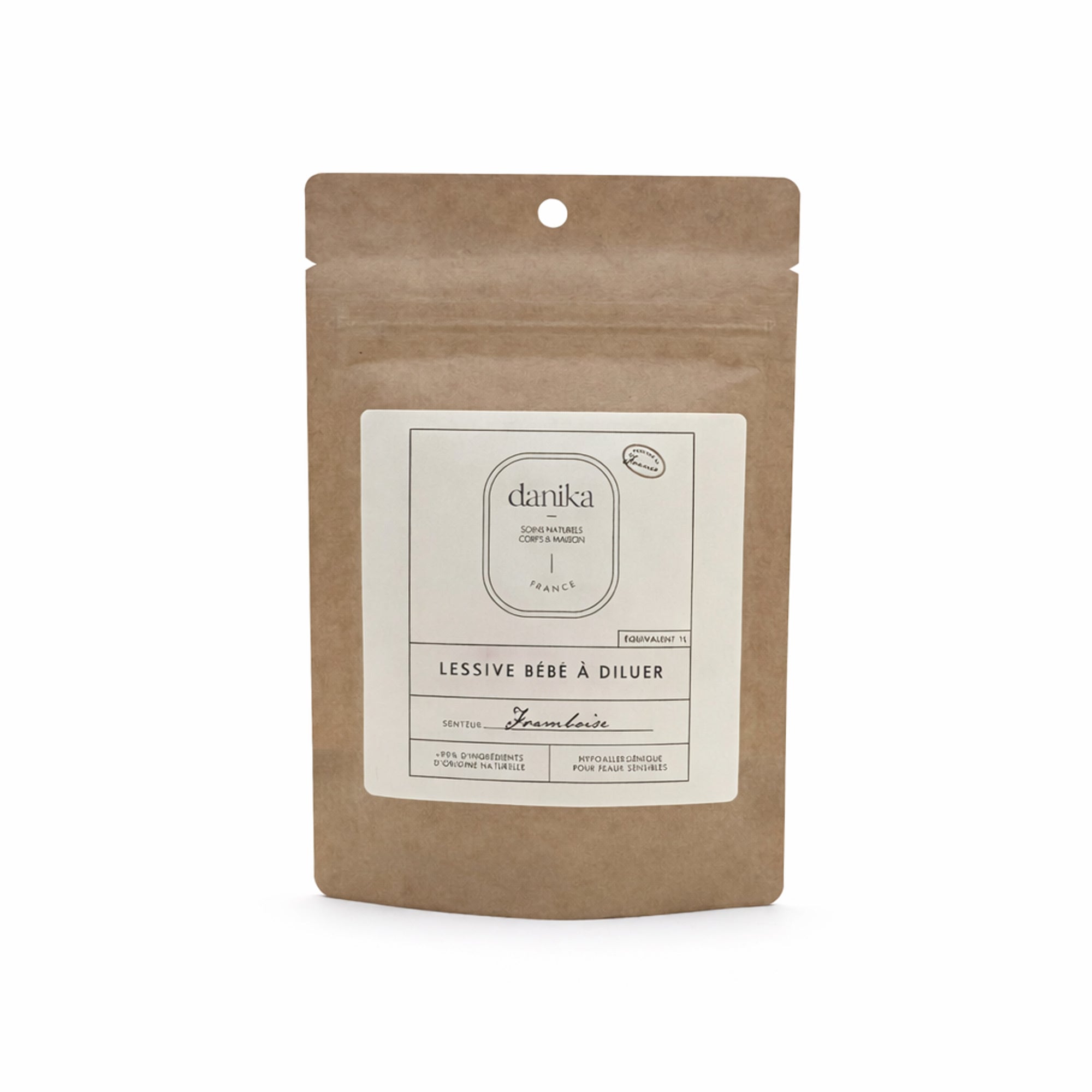
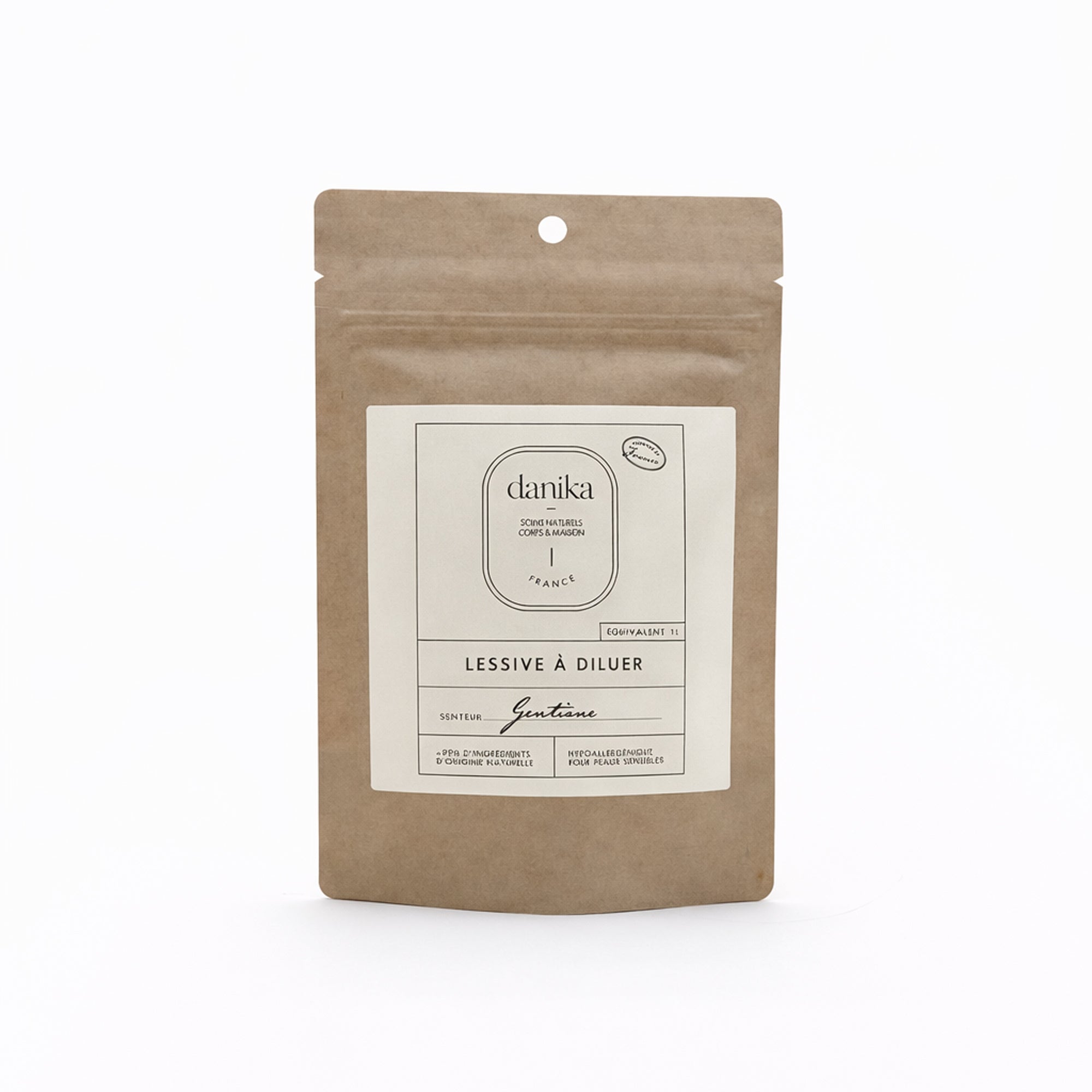
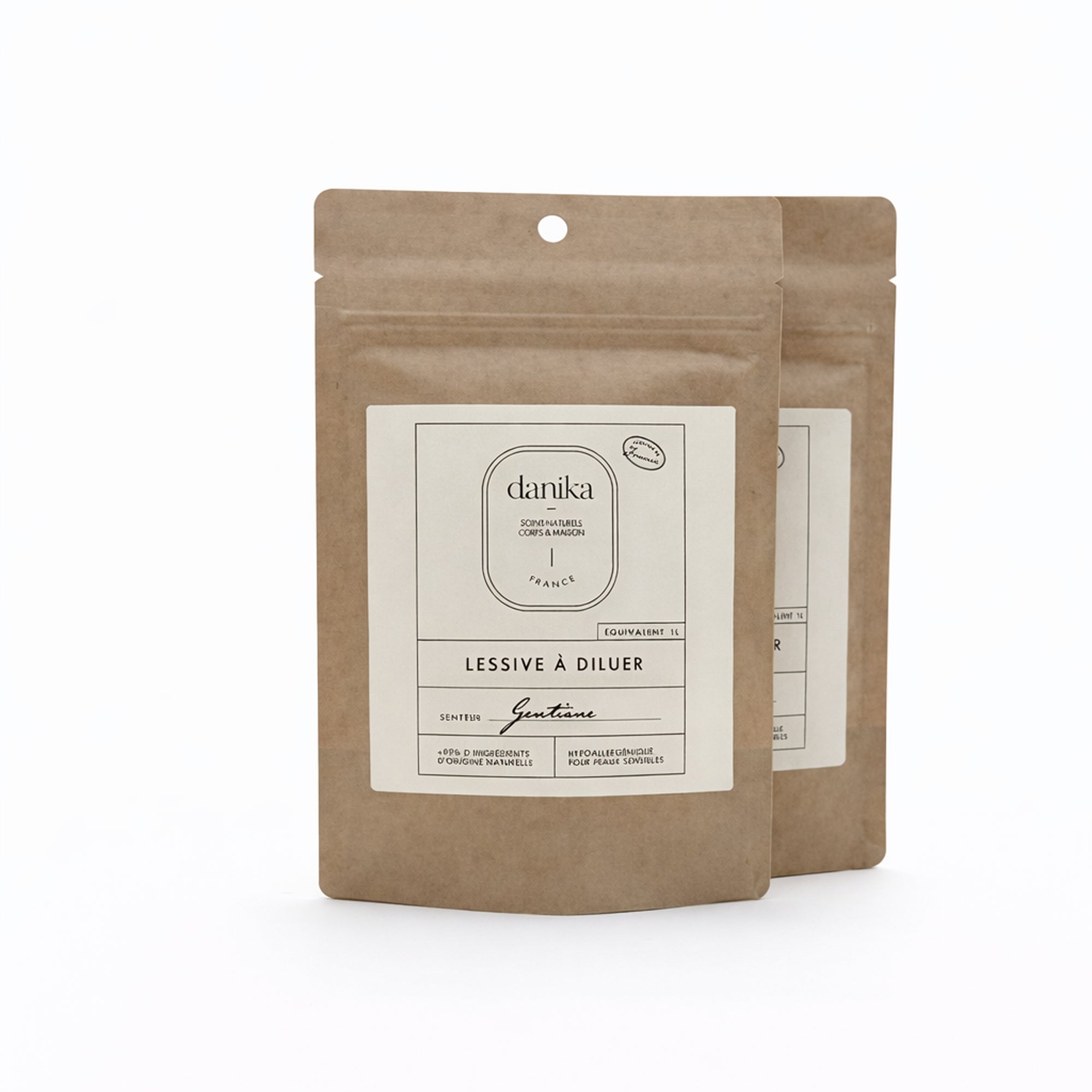
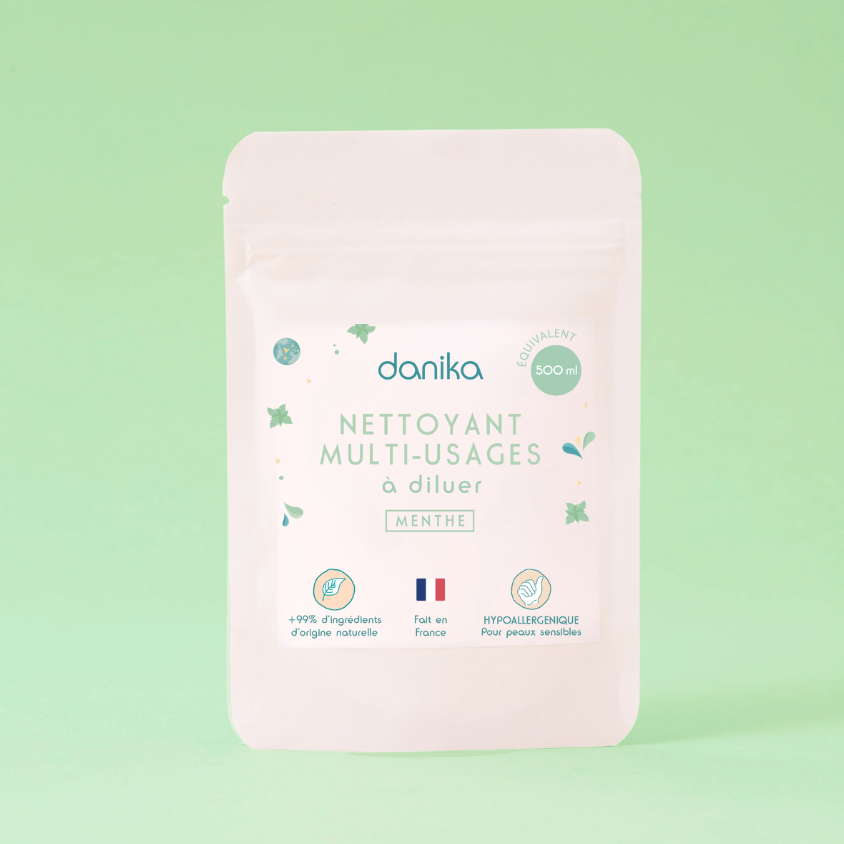
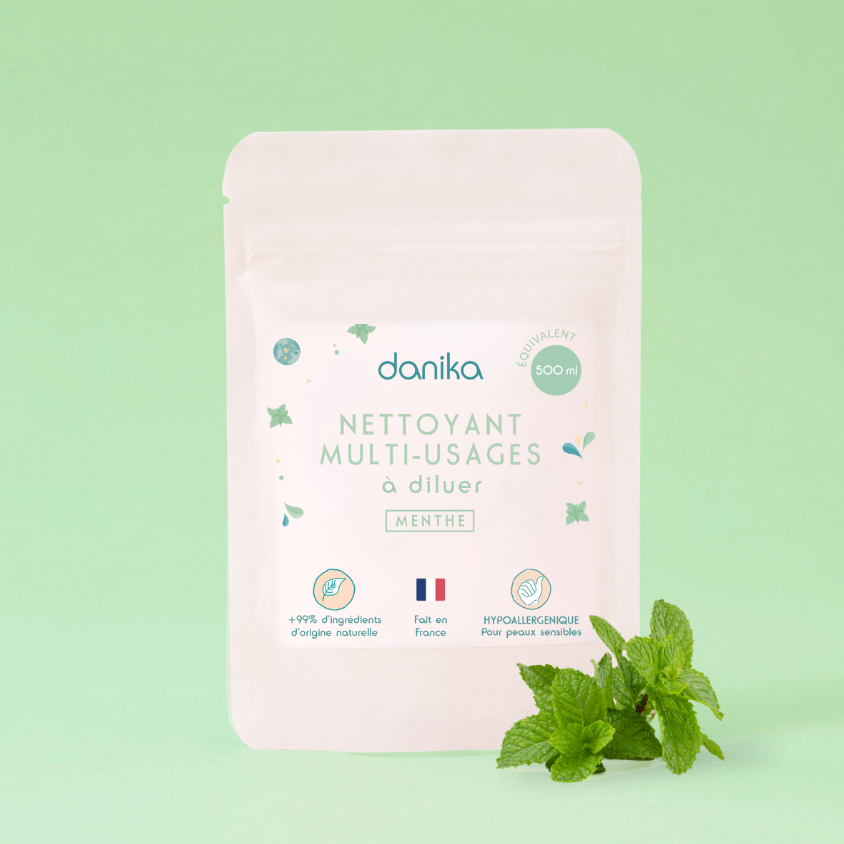
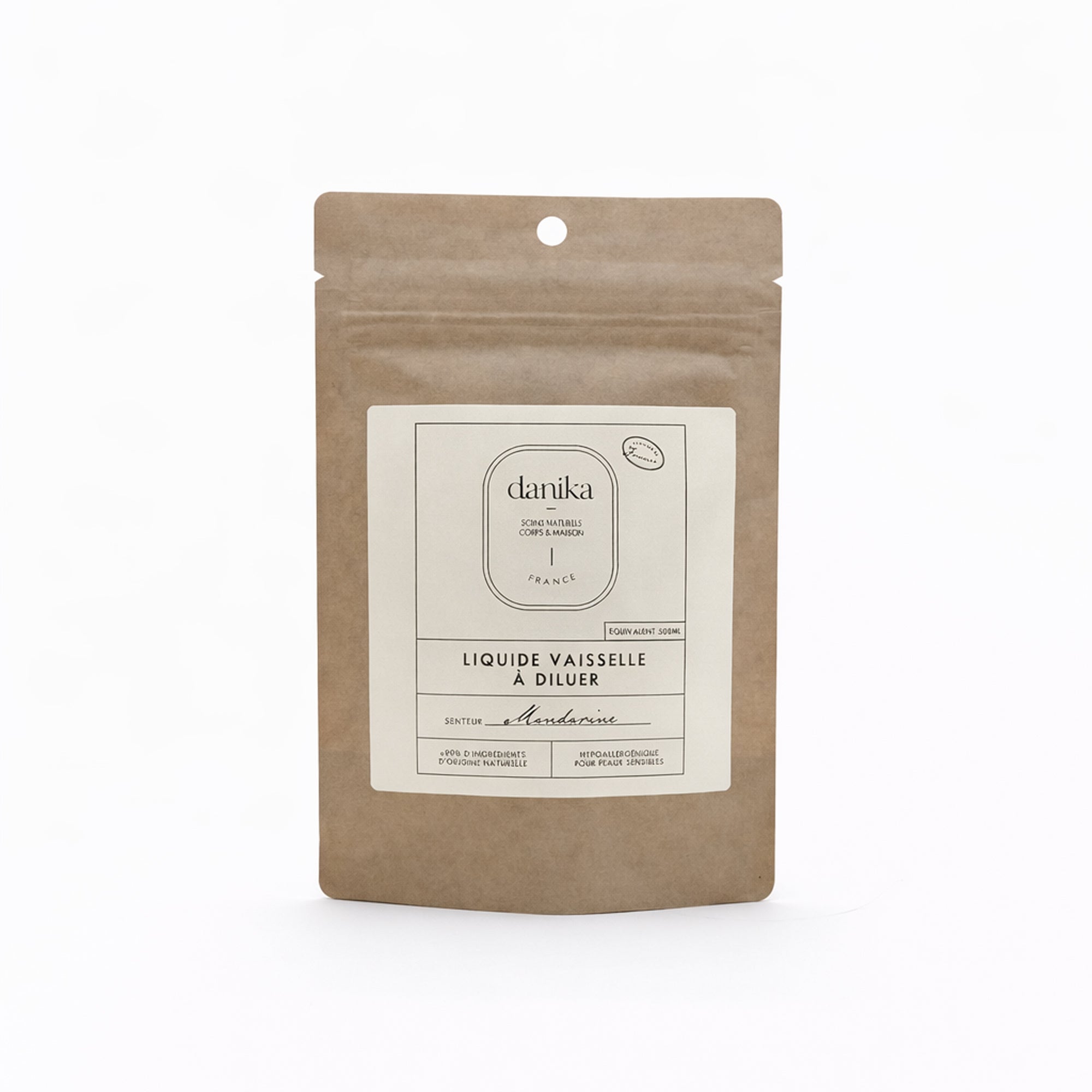
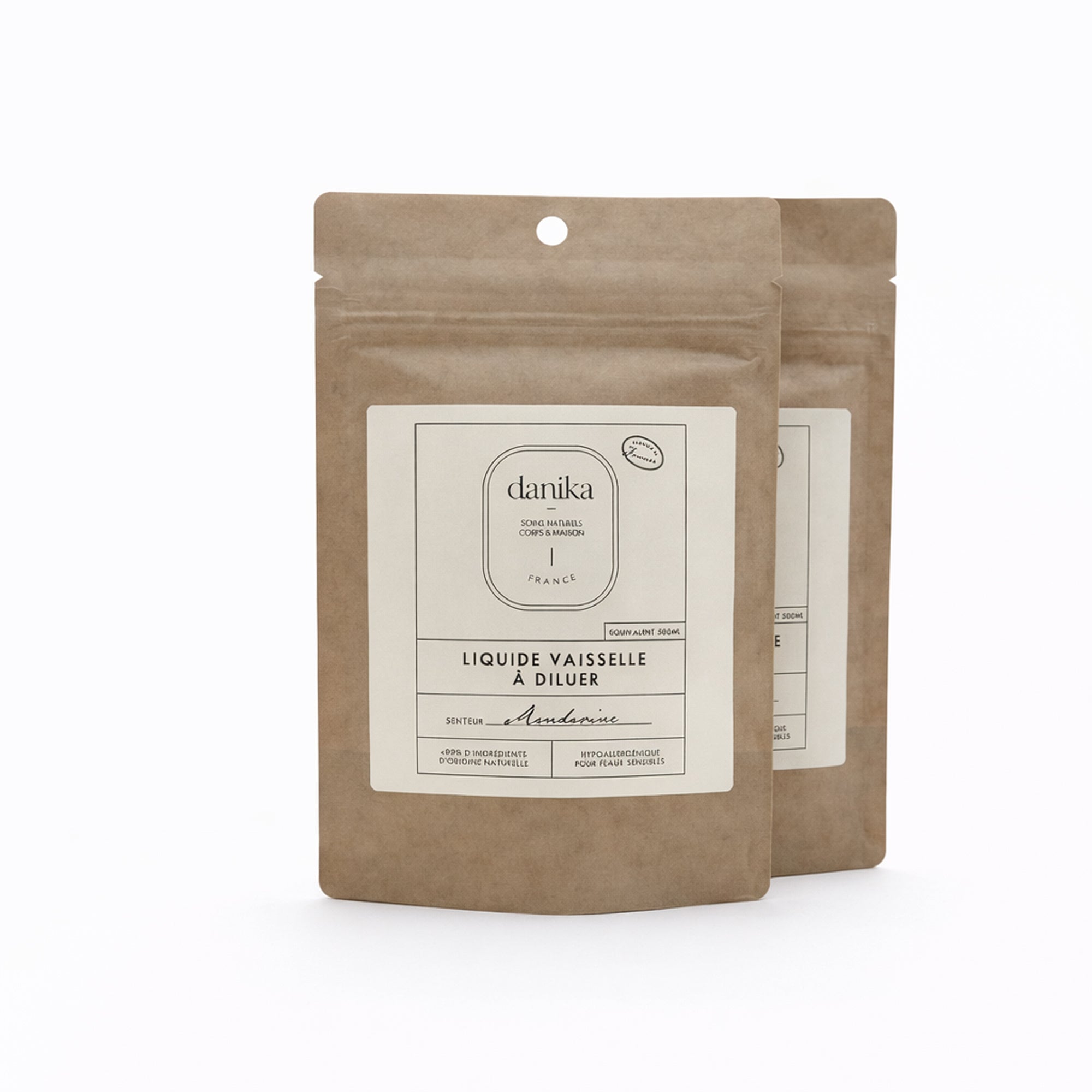
Conventional cleaning products often contain chemicals that can be harmful to children's health and to the environment. Choosing products based on natural, biodegradable and concentrated ingredients is a kinder option. It also helps reduce plastic packaging and unnecessary transport.
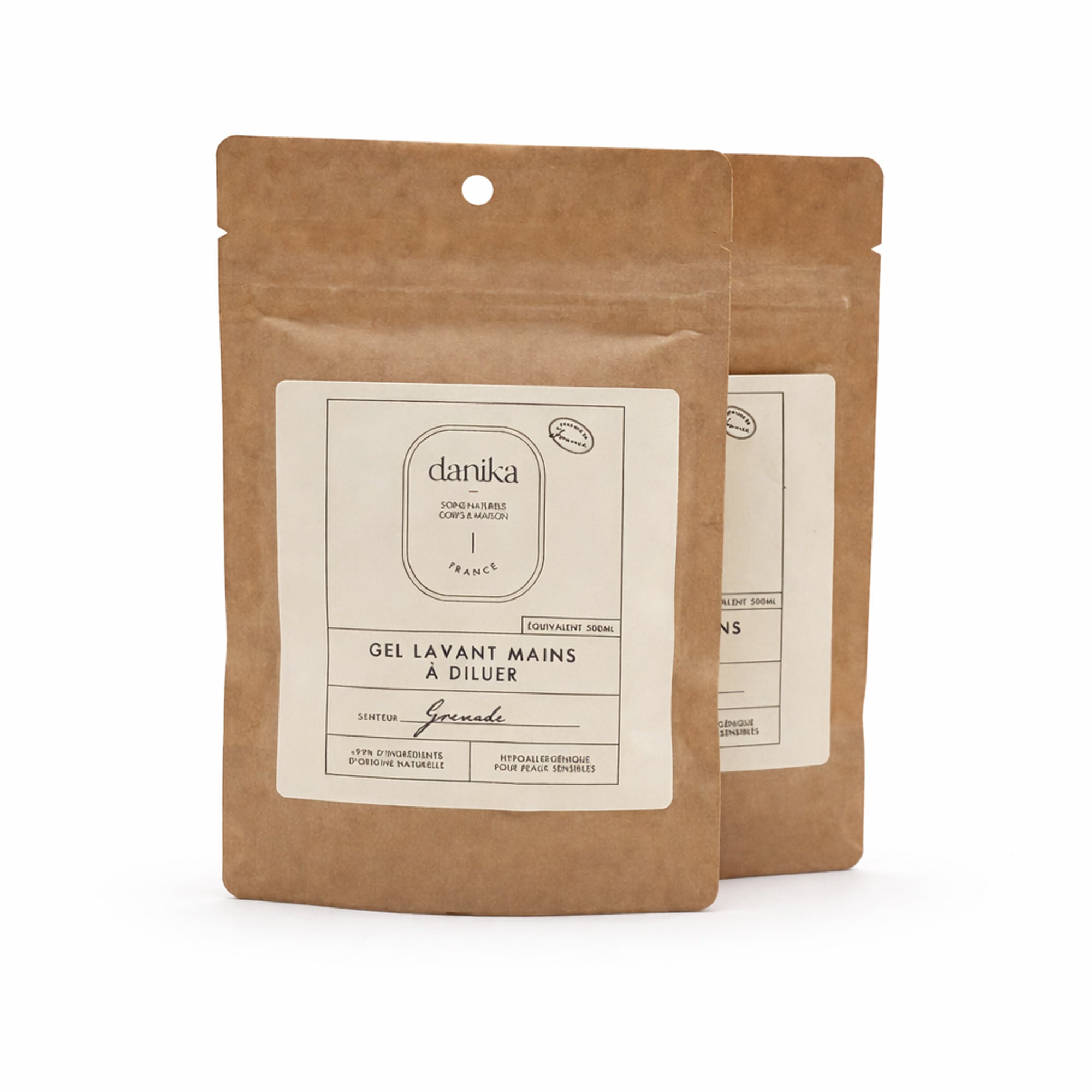
This logic can also apply to personal care products. Shampoos and shower gels that you make up at home are lighter and need less packaging. They therefore have a smaller impact on the environment.
Want to adopt sustainable habits while involving the children? Get them to help prepare a simple household product, such as a multi-surface spray or a bottle of hypoallergenic laundry detergent. They can measure, mix and watch the result, which turns cleaning into a fun, educational activity.
Education and the environment: rethinking everyday habits
Being an eco-conscious parent also means reviewing certain simple everyday habits.
Limiting car use, choosing to walk or cycle for short trips, switching off appliances on standby, turning down the heating or installing water-saving solutions are all actions that significantly reduce the family's environmental impact.
Done as a family, these small habits become a concrete example that children can easily copy.
Parents committed to the planet: sustainable clothes, toys and accessories
Want to adopt eco-friendly habits while saving money? Think second-hand. Clothes, toys or equipment... it's all available in shops or on specialist listings sites.
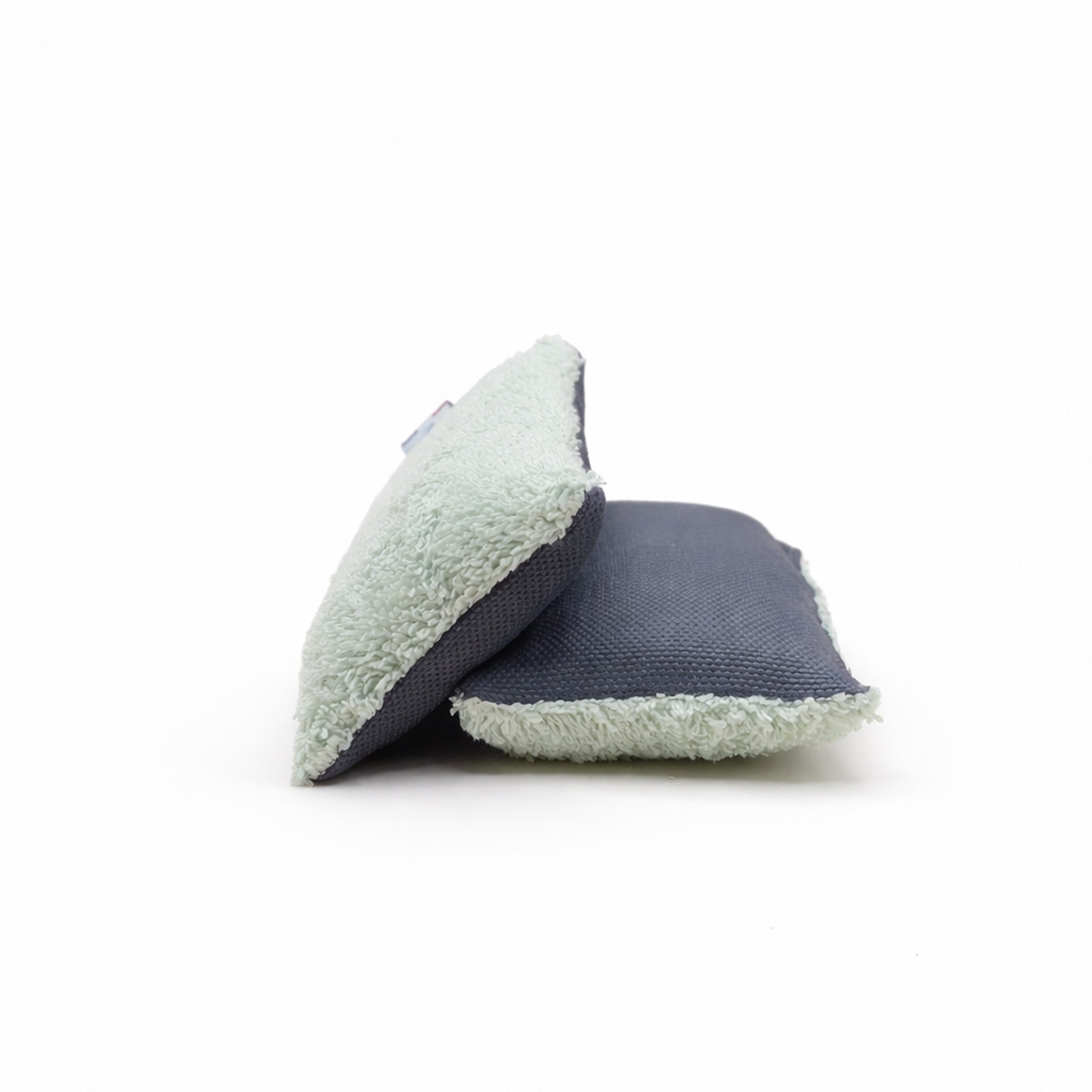
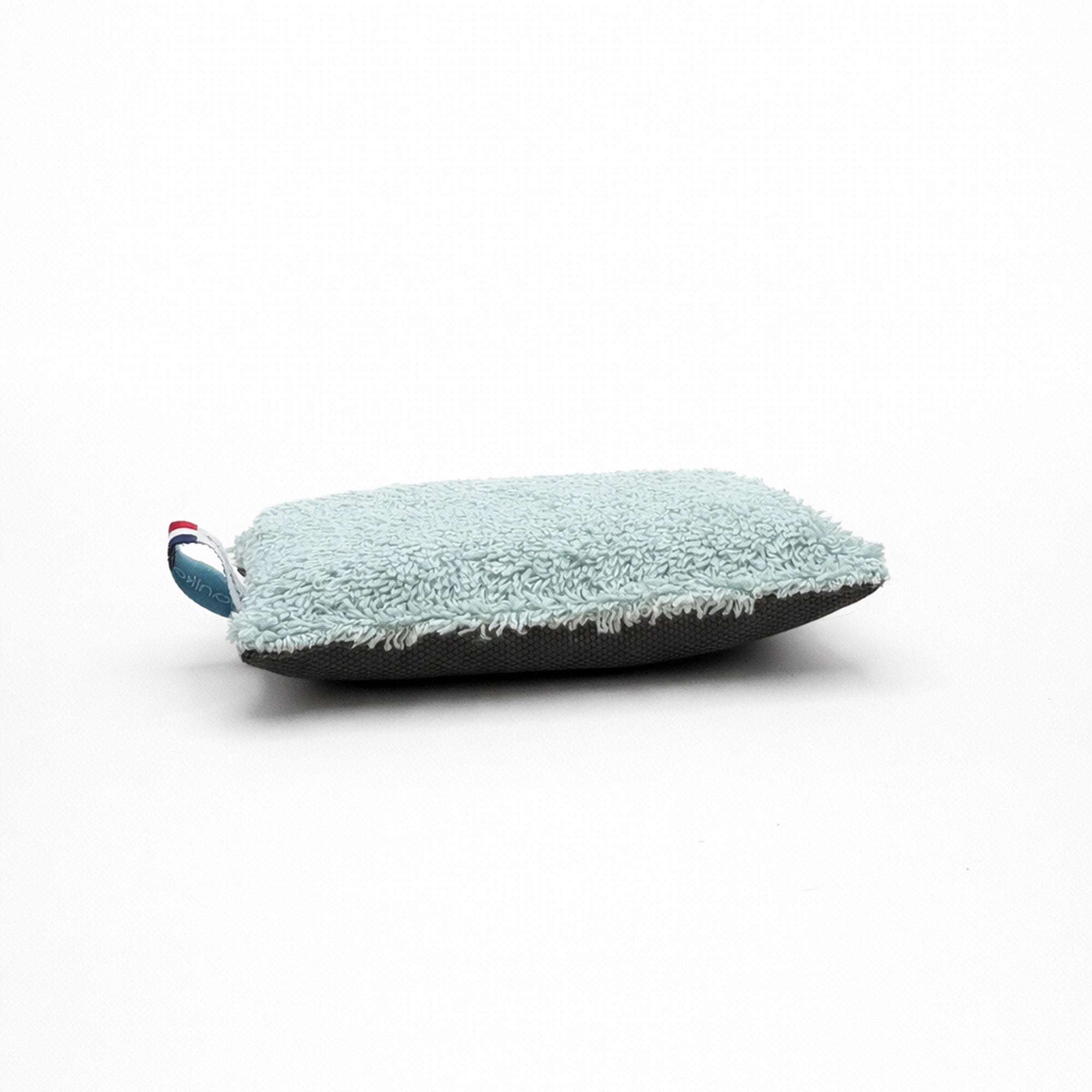
Here's another tip: favour reusable accessories, such as refillable glass bottles that replace disposable plastic containers, wooden dish brushes or durable sponges.
In short, being an eco-conscious parent means adopting simple habits every day to move forward hand in hand towards a more environmentally friendly way of life.
Discover how to wash soft toys and comforters.
FAQ
How can you involve children in a green approach?
By including them in small household tasks: making a homemade cleaning product, sorting waste, watering the plants or helping to switch off the lights. The more hands-on the activity, the more it becomes a game — and the more naturally the child adopts these habits.
Does living sustainably cost more?
Not necessarily. Reusable products, buying second-hand and reducing waste often save money. The biggest change is in habits, not the budget.
Which products should you choose for a healthier home?
Natural cleaning products, concentrated or made up at home, refillable shampoos and shower gels, durable accessories (wooden brushes, washable sponges, glass bottles) and, more broadly, anything that produces less waste.
How can you reduce the family's environmental impact day to day?
By limiting the car for short trips, switching off appliances on standby, adjusting the heating, saving water or choosing reusable items. Small habits, added together, make a real difference over time.
Best Sellers

Livraison gratuite dès 49€
Paiement sécurisé

Envoi rapide

Service client réactif