
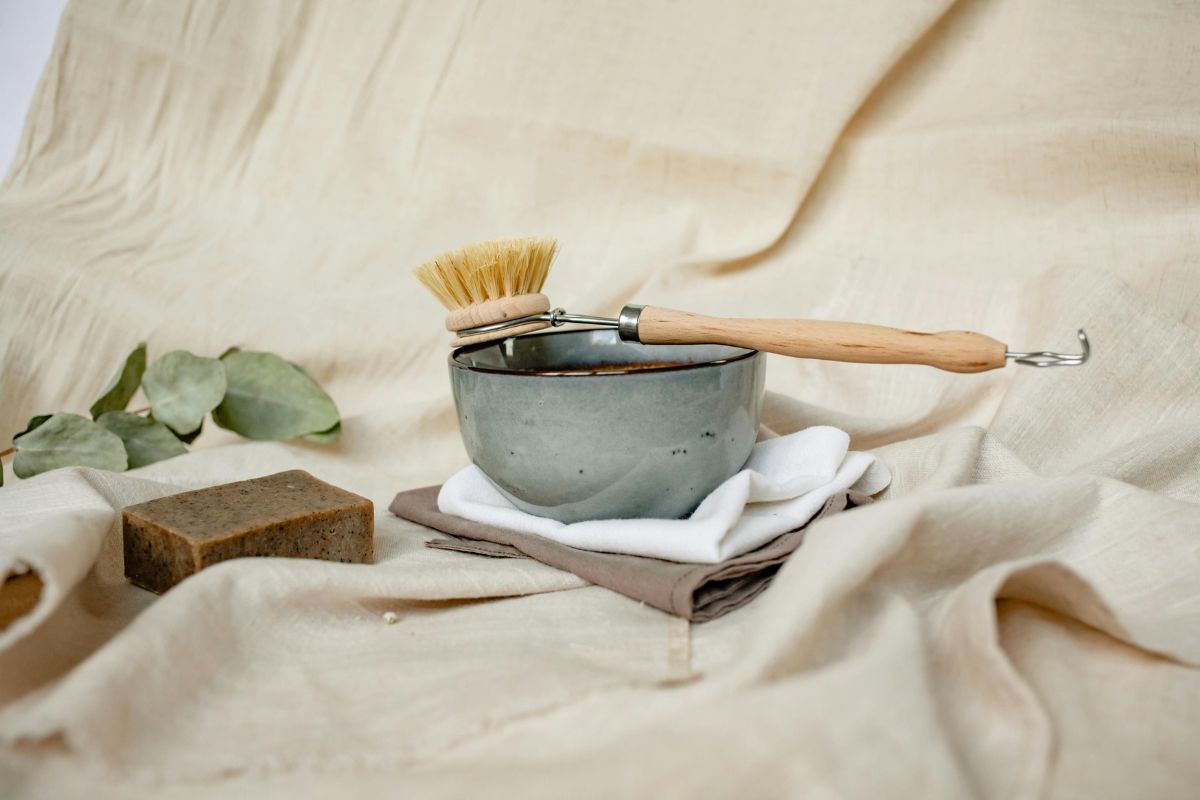
Did you know? Of the 143 litres of water used on average each day per person, only 3% is used for drinking or cooking. And let's not forget everything that clutters the bathroom: toothpaste tube, toothbrush, cotton buds and make-up pads — all disposable items that can pollute the environment. It's time to change our habits. Here are 9 eco-friendly habits to adopt in the bathroom.
1 – Take a shower rather than a bath: an eco-friendly habit
A bath needs on average 120 to 200 litres of water, depending on the size of the tub. A shower, by contrast, generally uses 40 to 80 litres of water.
As you'll have gathered, it's better to favour the shower over the bath. Want to go further? Turn off the water while you're soaping up or shampooing. A simple eco-friendly habit when you want to protect the planet while saving money.
2 – Responsible everyday habits: use a water restrictor
Here's another eco-friendly tip: to limit your water use, fit a flow restrictor before the shower head. You can also opt for a water-saving shower head.
Discover our articles: 8 tips for a zero-waste bathroom.
3 – Habits that protect the environment: reduce the flush volume
A conventional flush uses 6 to 12 litres each time. Want to reduce the waste of this natural resource? Install a dual-flush system. This lets you choose between a small flush (around 3 litres) and a large one (6 litres).
If you don't want to replace the whole mechanism, one trick is to place a bottle filled with water in the cistern. This reduces the volume of water used with each flush, without any work needed.
Finally, regularly check the condition of your flush, as a leak, even a small one, can lead to significant waste.
4 – Good environmental practice: use your washing machine well
Here's an eco-friendly habit that will save you water, electricity and your hypoallergenic laundry detergent:
-
Don't run your machine for just two or three garments.
-
Fill your washing machine with the right weight of laundry, without overloading it.
-
Use your machine's economy programme, if this option is available.
-
Measure the detergent correctly with a graduated scoop.
Discover all the strengths of laundry detergent of natural origin.
5 – Everyday environmental actions: control the temperature in the bathroom
It's a fact! Controlling the temperature of the rooms in your home helps lower the bills. As a rule, each degree less is reckoned to save 7% of energy.
Environmentally, turning down the heating in the bathroom reduces pressure on natural resources. This small everyday habit helps limit greenhouse gas emissions, without sacrificing your comfort.
The idea isn't to be cold, but to heat intelligently.
6 – Eco-friendly reflexes: opt for solid cosmetics
Conventional liquid cosmetics contain a lot of water, which makes them heavier to transport and increases the carbon footprint. Not to mention the millions of plastic bottles that end up in our waste every year… Solid hygiene products change the game. A solid shampoo or shower gel is light, compact and needs very little packaging.
Less plastic, less transport, less waste: the environmental impact is immediately reduced.
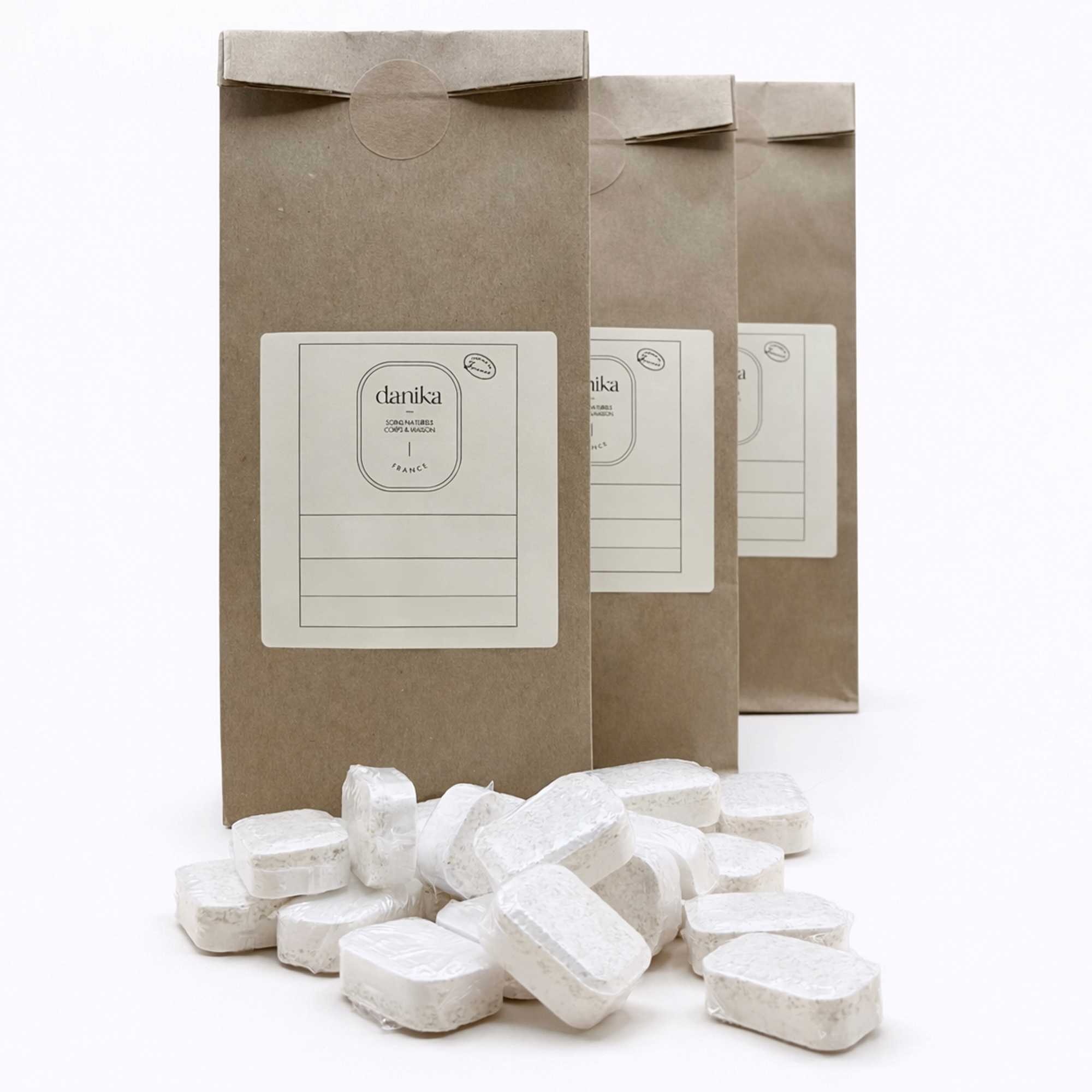
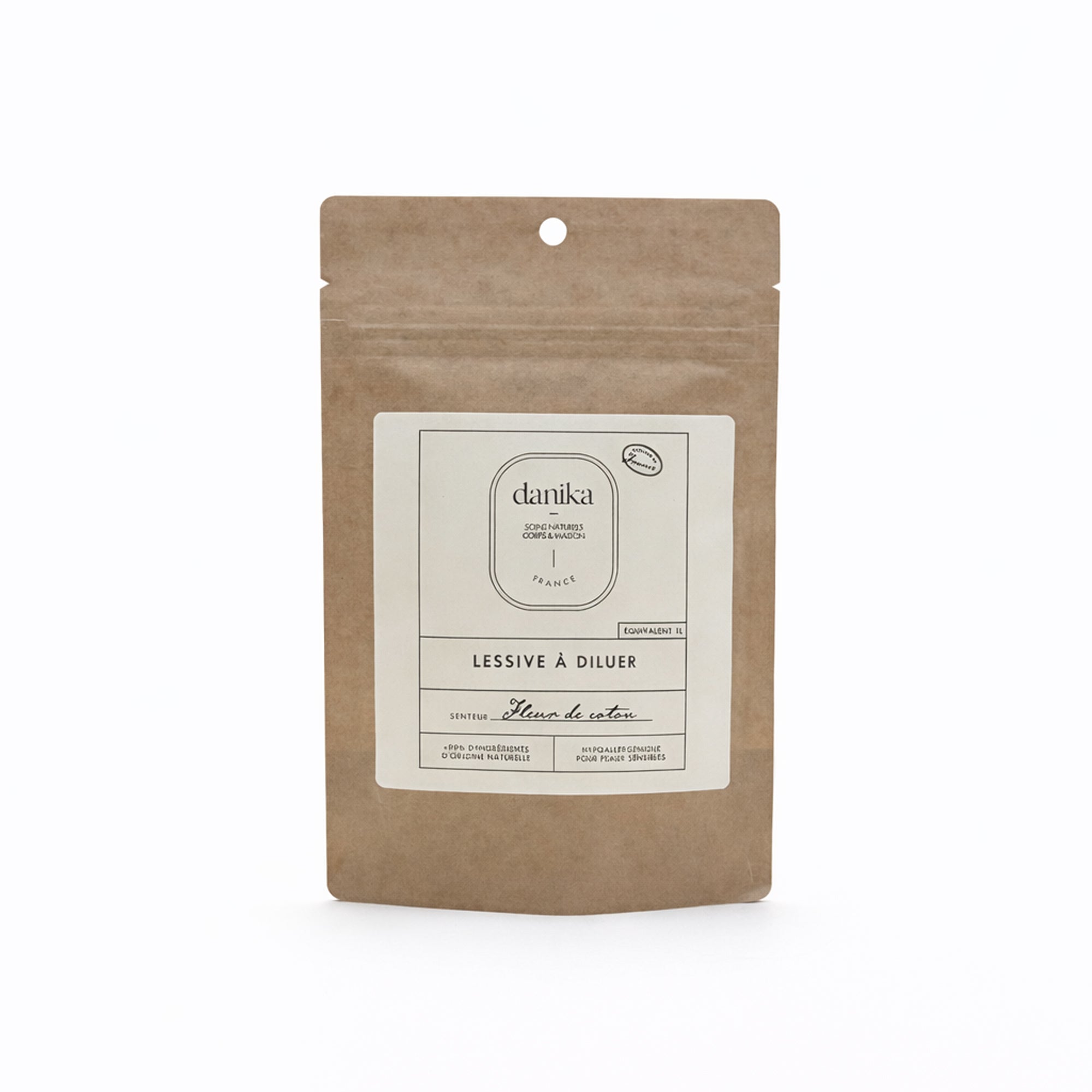
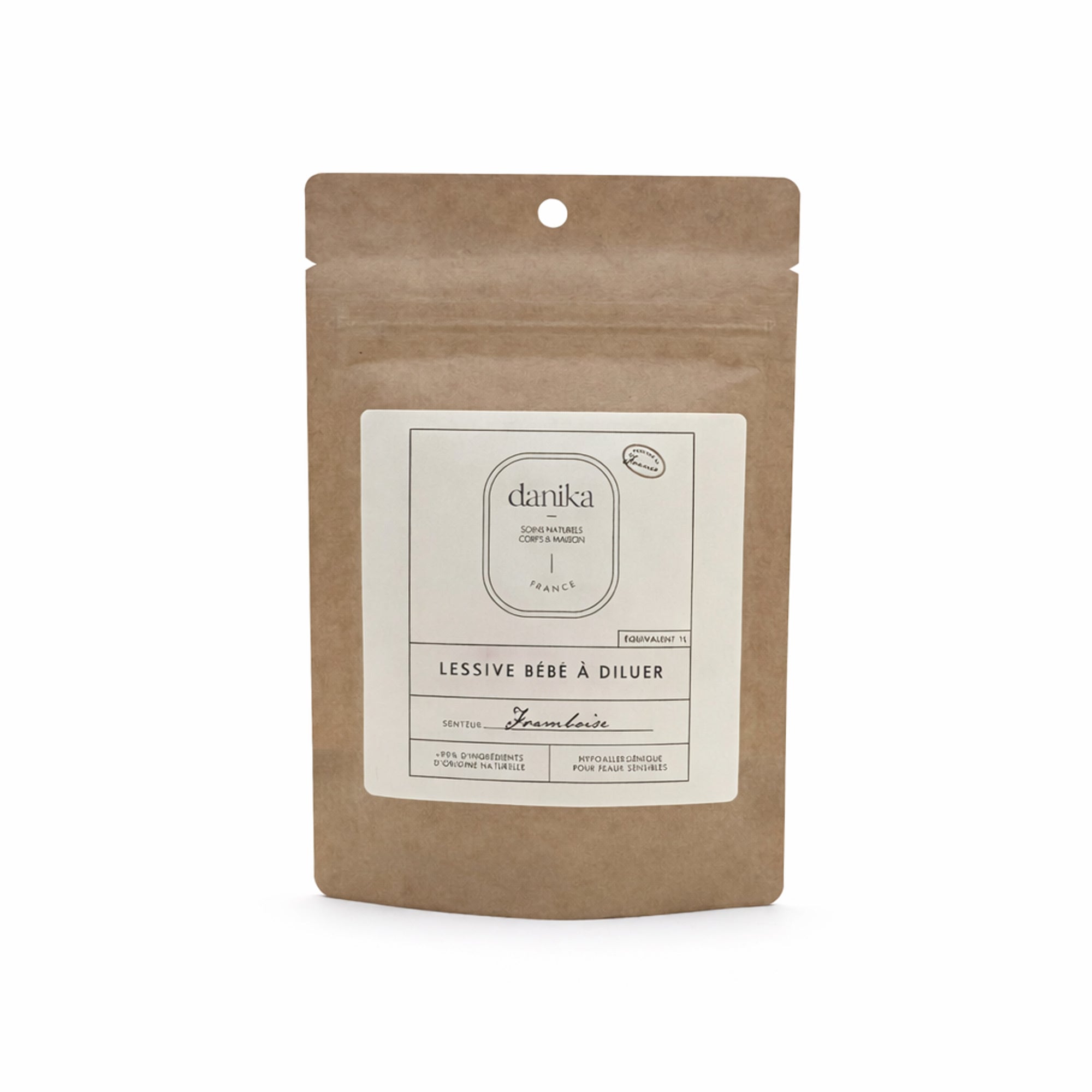
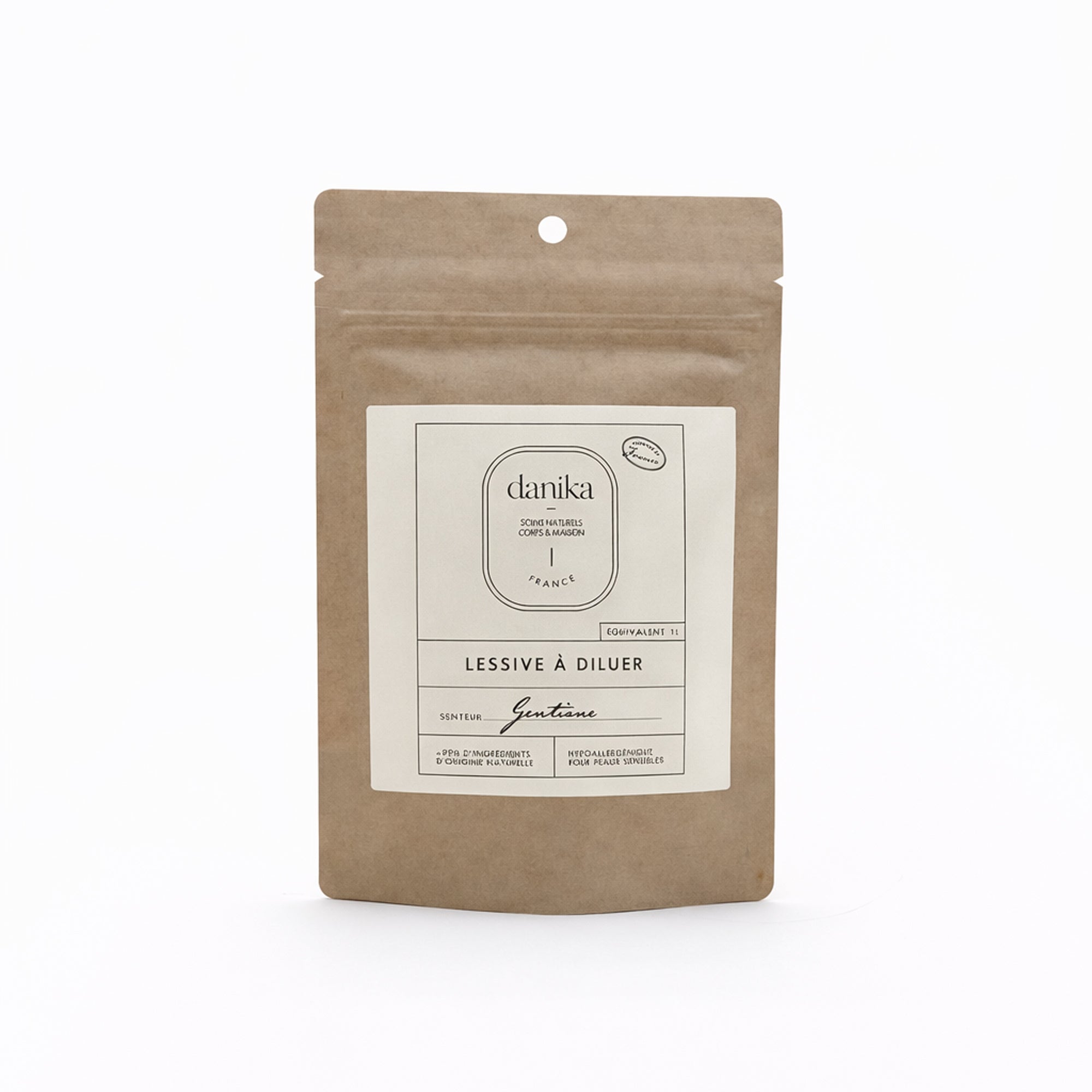
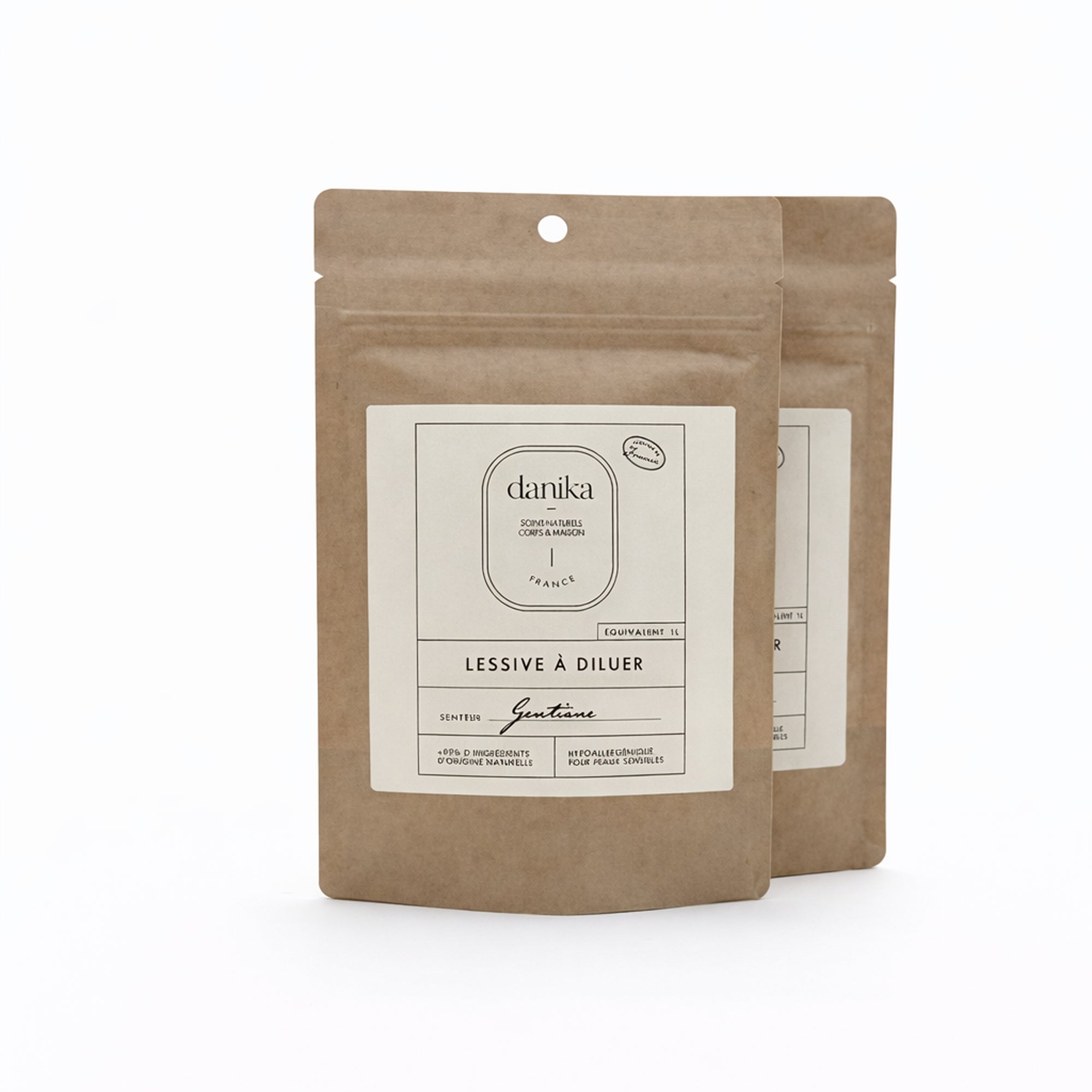
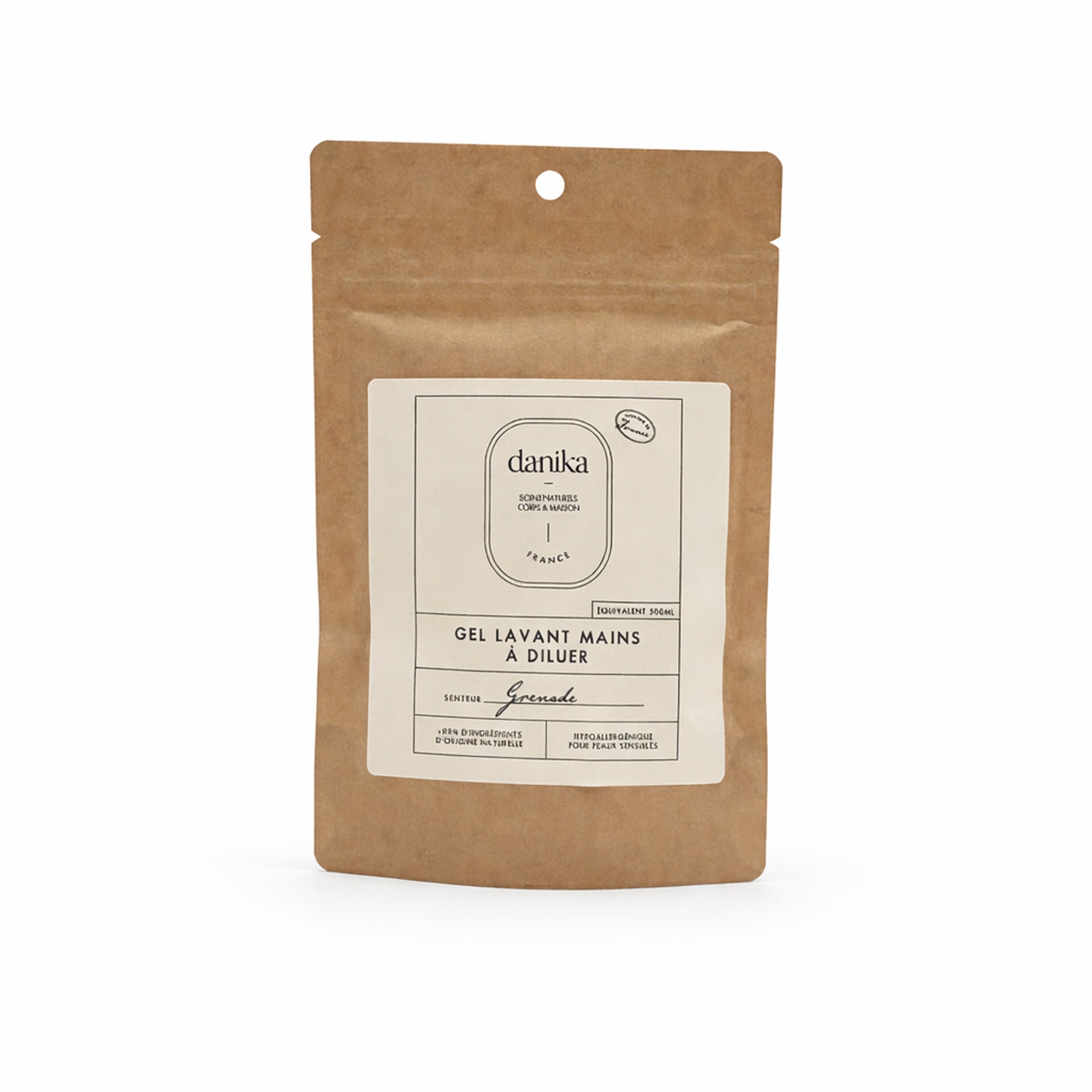
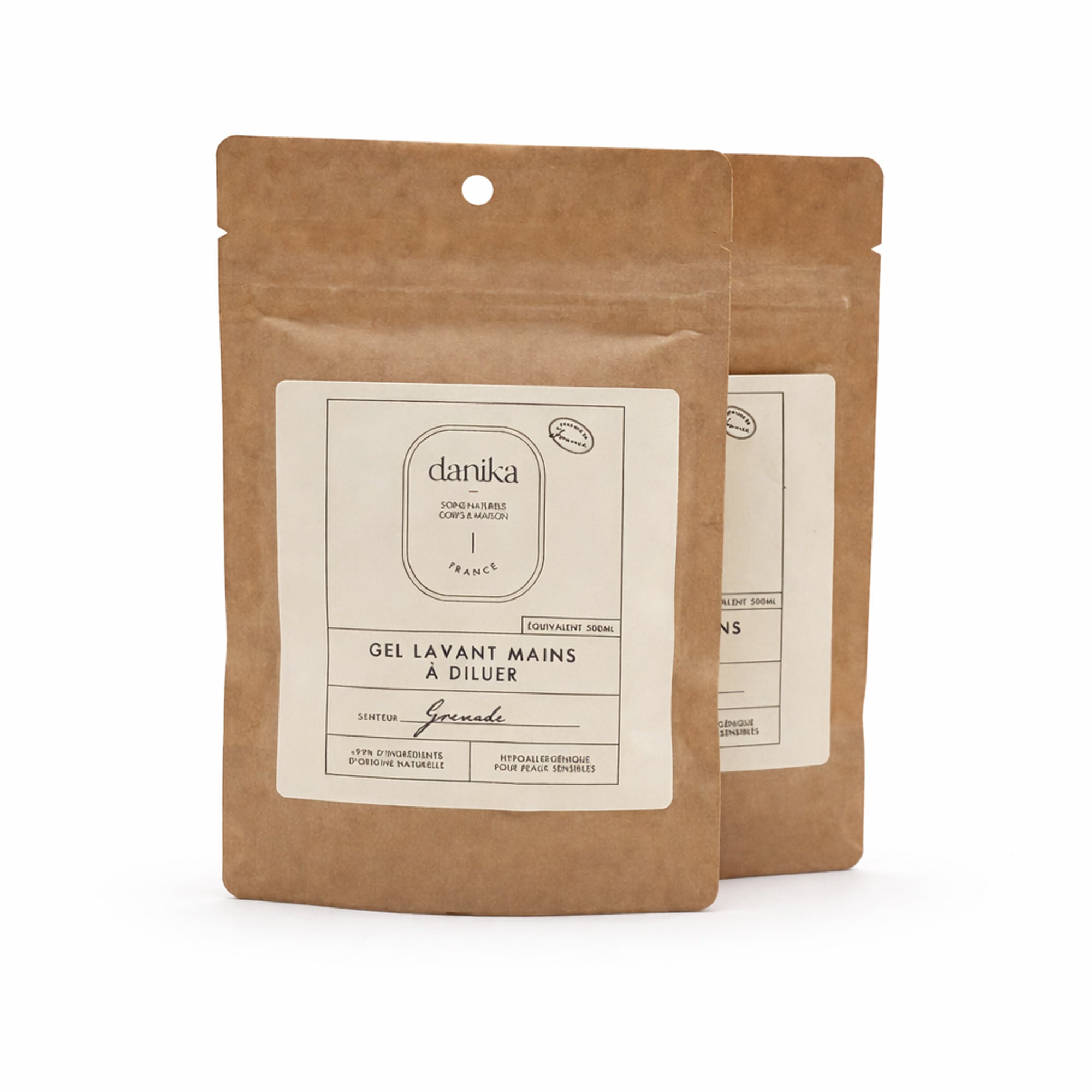
Danika goes even further by offering hypoallergenic shampoos and shower gels to make up at home. You receive only the concentrated base and you add the water.
This system radically reduces the volume transported, limits packaging and lets you control exactly what you use. What's more, all our products are also delivered in biodegradable packaging that you can compost, for a routine that's simple, effective and kind to the planet.
7 – Sustainable habits: use more eco-friendly accessories
Toothbrushes, combs or cotton buds? There are eco-friendly alternatives to replace plastic accessories. Made from wood or bamboo, these everyday items are recyclable or biodegradable.
8 – Tips for a more responsible lifestyle: ditch disposable razors
Want a simple, eco-friendly tip? Replace disposable plastic razors with razors that have refillable blades.
Environmentally, it's a habit that counts: less plastic in the bins, less new plastic produced and less energy spent making and transporting these single-use items.
Note: some brands offer razors made from metal or recyclable materials, which extends the positive impact of this choice even further.
9 – Eco-friendly habits: look after the bathroom with simple, healthy products
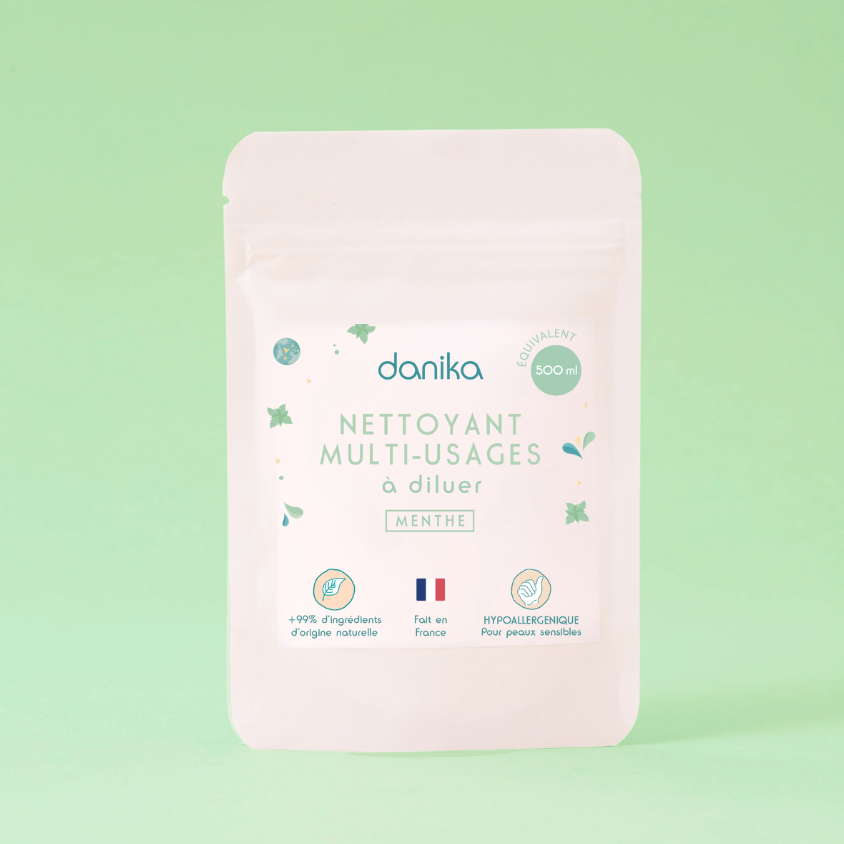
Here's a final eco-friendly habit to adopt: clean your bathroom with products made from ingredients of natural origin. Multi-Purpose Cleaner or white vinegar, the choice is yours.
To go further, discover 5 zero-waste accessories for a responsible everyday life.
Best Sellers

Livraison gratuite dès 49€
Paiement sécurisé

Envoi rapide

Service client réactif