
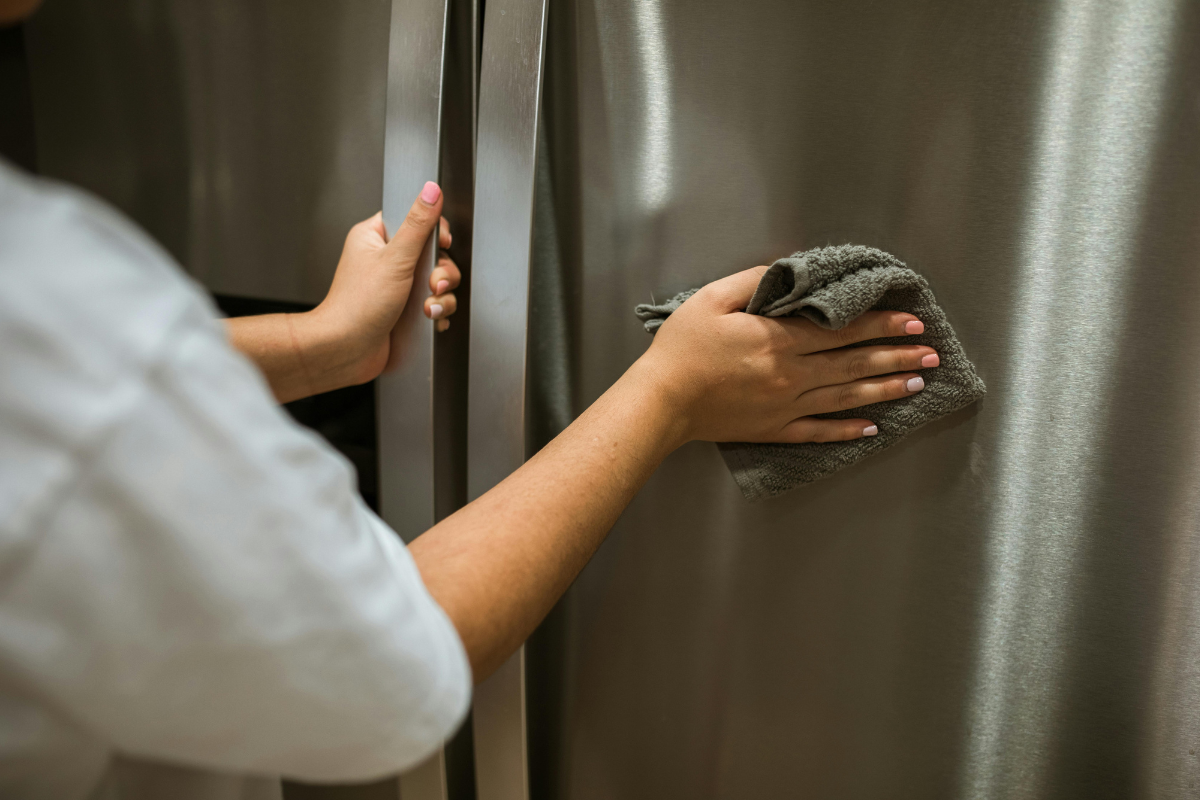
We often talk about sorting waste or consuming responsibly, but the impact of household products is still largely underestimated. Laundry detergent, washing-up liquid, multi-purpose cleaner: these everyday products seem harmless, yet once used, they don't just disappear. Their journey continues through the water networks, then to treatment plants.
The impact of household products: the invisible journey after use
It all starts at home. Every time you use laundry detergent, washing-up liquid or multi-purpose cleaner, the products join the wastewater via the pipes. Once drained away, they disappear from view but carry on through a discreet, structured network.
This water is then directed to a treatment plant, where treatment begins: filtration, settling, then the action of micro-organisms. Several stages follow one another to reduce the pollutant load before discharge into the natural environment.
This system remains essential, but it cannot intercept all the substances from domestic use. Some compounds resist conventional treatments, owing to their stability or low biodegradability. They then continue on their way to rivers, soils and marine environments.
This limitation comes back to the composition of the products used. The issue isn't their usefulness, which is essential day to day, but certain formulations containing persistent or petrochemical-derived substances, as well as the volumes consumed. These place continuous pressure on existing treatment capacity.
In this context, simpler, biodegradable alternatives are one way forward. They don't remove the impact, but they make residues easier to break down and reduce their transfer to aquatic environments.
The effects of household products on the environment
Beyond rivers, these substances also reach more distant areas, particularly coastlines. Carried by water and coastal air movements, they come into contact with ecosystems already under demanding conditions: salinity, wind, climate variations and strong sunlight.
In these fragile environments, they can accentuate existing imbalances and weaken vegetation, with gradual effects on biodiversity.
The gradual impacts of household products on aquatic ecosystems
Once in the natural environment, these residues don't disappear immediately. They accumulate at very low concentrations but continuously, which is enough to disrupt ecological balances.
In waterways, certain compounds from detergents encourage algae to proliferate. This phenomenon alters the balance of the environment: less light, disruption of species, disorganisation of the food chain.
When they decompose, these algae consume a large amount of dissolved oxygen, gradually depleting the water and limiting aquatic life.
On top of this are more subtle effects: some compounds act as endocrine disruptors and influence the reproduction or development of organisms. Others weaken species by reducing their defences.
Household products and indoor air: an invisible pollution
Household products aren't limited to their impact on water. Some of their components also disperse into indoor air during use, particularly as volatile compounds. In enclosed spaces, these substances can gradually build up and contribute to an invisible, often underestimated, domestic pollution.
This is an important point: we often associate household products with visible cleanliness, whereas they also affect an air quality that we perceive far less directly.
The ecological footprint of household products: a different way to make and use them
Cleaning shouldn't leave behind unnecessary substances in water and the environment.
Most household products still rely on complex formulas that are sometimes hard to break down once discharged into wastewater. Yet every use is part of a wider cycle: pipes, treatment plants, then a return to natural environments.
Danika takes a different approach. Every product is designed from the formulation stage to reduce the presence of persistent ingredients and favour more easily biodegradable components.
In summary
Conventional household products don't completely disappear after use. Some of their components can pass through treatment plants and reach natural environments.
By favouring simpler, more biodegradable formulas and adjusting your quantities, you can significantly reduce this impact without overhauling your habits.
The point isn't to do less cleaning, but to clean in a way that's more compatible with ecosystems.
FAQ
Do treatment plants remove all household products?
Treatment plants play an essential role in treating wastewater, but they weren't designed to capture all the substances found in everyday products. Their effectiveness depends in particular on the chemical characteristics of the molecules to be treated. Some substances are harder to remove because of their stability or their low ability to break down naturally. The composition of the products used at home therefore remains an important lever for limiting their impact after use.
What's the difference between a biodegradable product and a non-toxic one?
These two ideas are often linked, but they don't mean the same thing. A biodegradable product can be broken down naturally by micro-organisms present in the environment. Non-toxicity is more about the potential effects of a substance on living organisms. An ingredient can therefore be biodegradable without being completely harmless, or have low toxicity while remaining present in natural environments for a long time.
Why do some ingredients persist in the environment for a long time?
Some molecules have a chemical structure that slows their natural breakdown. They can resist for longer the biological processes that usually transform organic substances. This persistence explains why some components from household products can remain present in soils or water after being discharged.
Are natural household products necessarily eco-friendly?
The term “natural” isn't enough to determine a household product's environmental impact. A natural ingredient may require a lot of resources to produce or break down more slowly than expected. To assess a formula's overall footprint, you have to consider its whole life cycle: origin of the ingredients, manufacture, packaging and what happens after use.
Why is biodegradability an important criterion in a household product?
Biodegradability lets you assess a substance's ability to be transformed naturally after being discharged into the environment. A formula containing easily degradable ingredients generally limits the risk of lasting accumulation in ecosystems. This criterion should nonetheless be considered among others, since a product's overall impact also depends on its manufacture, its packaging and how it's used.
Do microfibres and sponges also have an environmental impact?
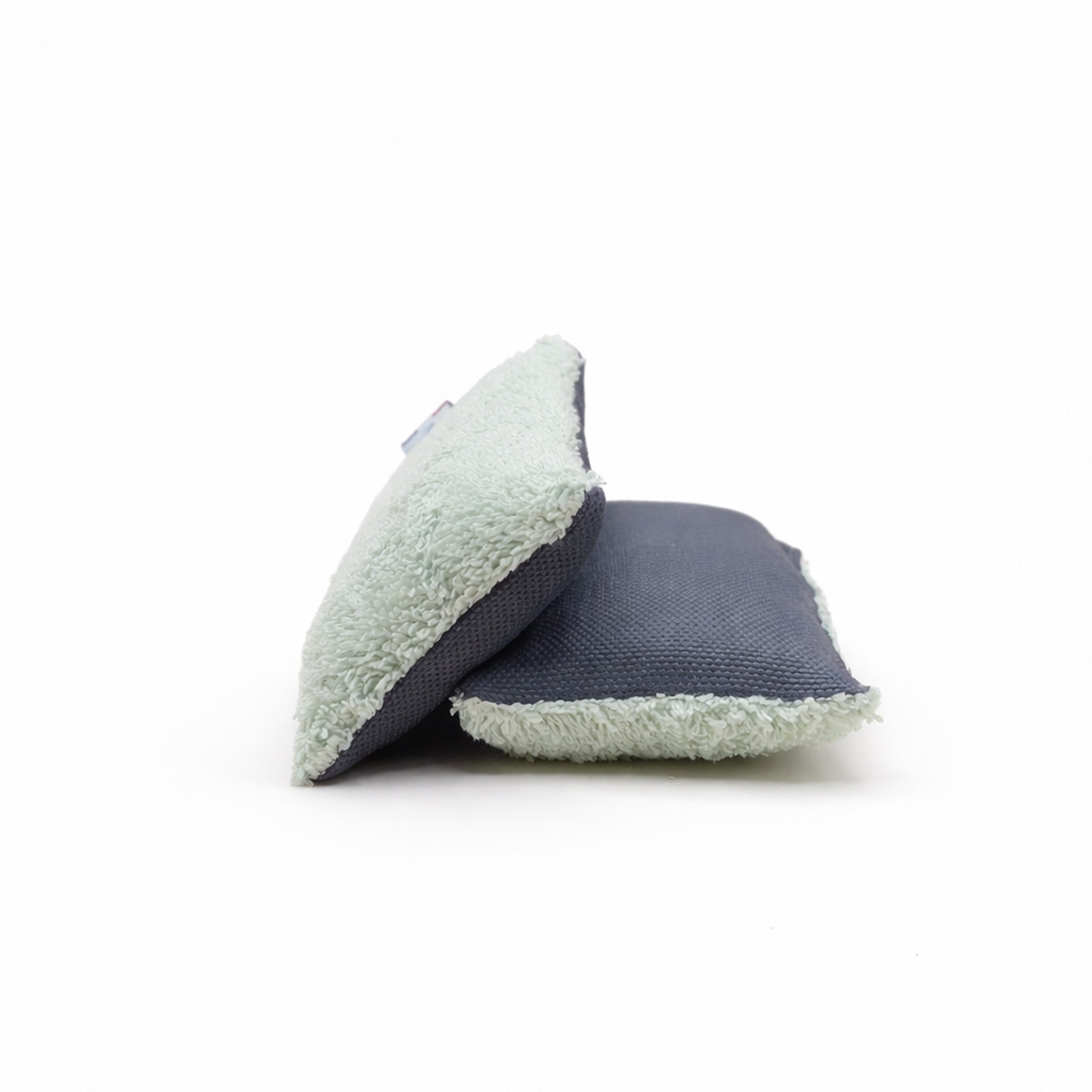
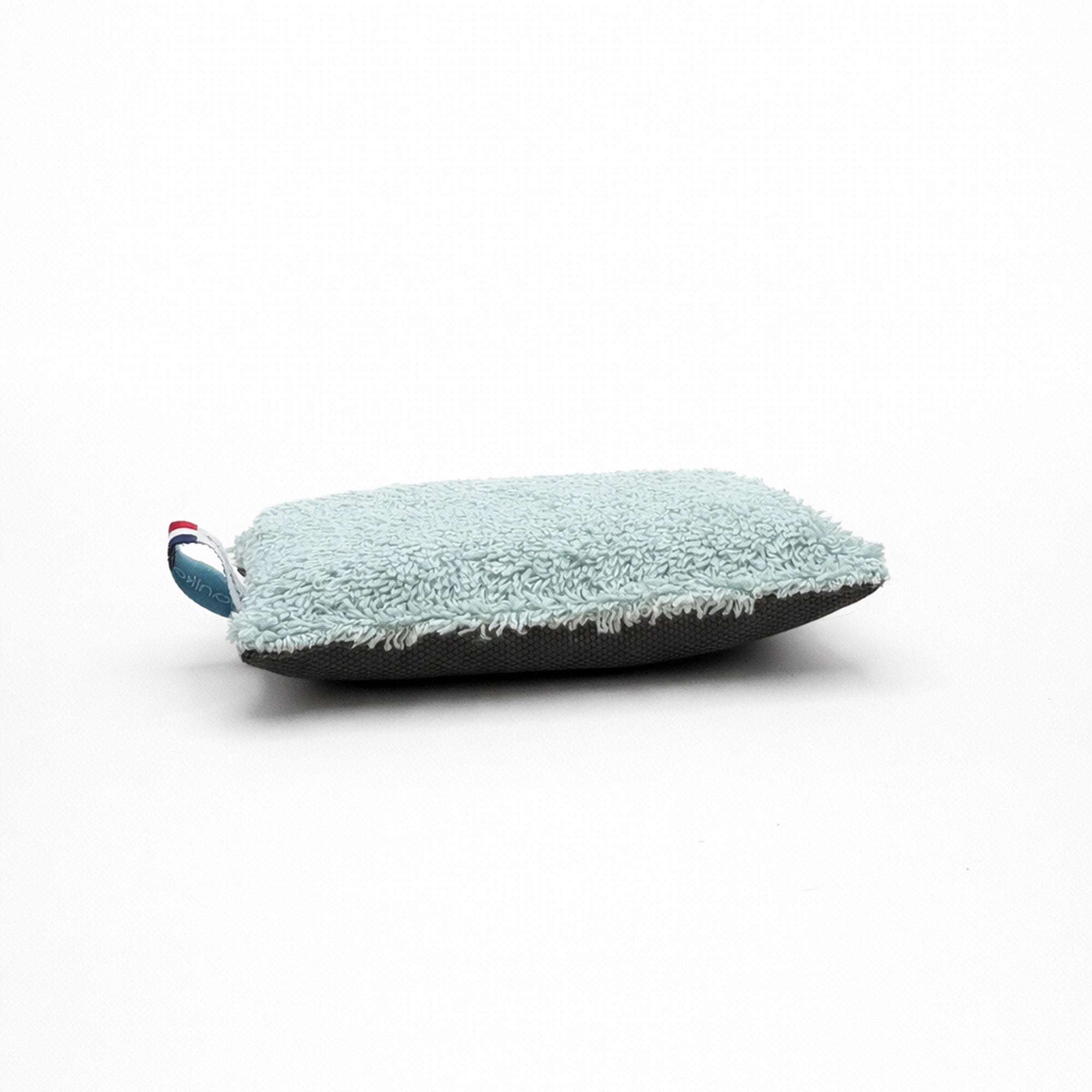
The impact of household products isn't limited to the substances in the formulas. The accessories used for cleaning also contribute to the household's environmental footprint. Synthetic sponges have a limited lifespan and generate waste that's hard to recover. Some cleaning textiles can also release fine fibres when washed, which then join the wastewater.
Do septic tanks require specific household products?
A septic tank works thanks to a biological balance maintained by bacteria capable of breaking down organic matter. Repeated use of very aggressive products can disrupt this activity and reduce the system's effectiveness. Household products compatible with septic tanks help preserve this balance while ensuring the home's routine upkeep.
Which household products pollute the most?
The most problematic products are often those containing persistent substances, synthetic fragrances, certain preservatives or agents that are hard to break down in the environment. Their impact nonetheless depends on the product's overall composition and on the quantities used.
Are eco-friendly household products really better for the environment?
Eco-friendly household products generally aim to limit certain controversial substances and to favour more readily biodegradable ingredients. Their impact does, however, depend on their whole life cycle: formulation, packaging, transport and use.
Can you clean your home effectively with fewer household products?
Yes. A large part of everyday needs can be covered with a limited number of suitable products. Cutting down on the number of different products also helps limit packaging, waste and the quantity of substances discharged into wastewater.
Do concentrated products have a smaller environmental impact?
Concentrated products can offer several environmental advantages. As they contain less water, they often require fewer resources to manufacture and reduce the volume transported. They also help limit packaging when the format is paired with refillable solutions. Their impact nonetheless still depends on their composition and on following the recommended dose.
Best Sellers


Livraison gratuite dès 49€
Paiement sécurisé

Envoi rapide

Service client réactif