
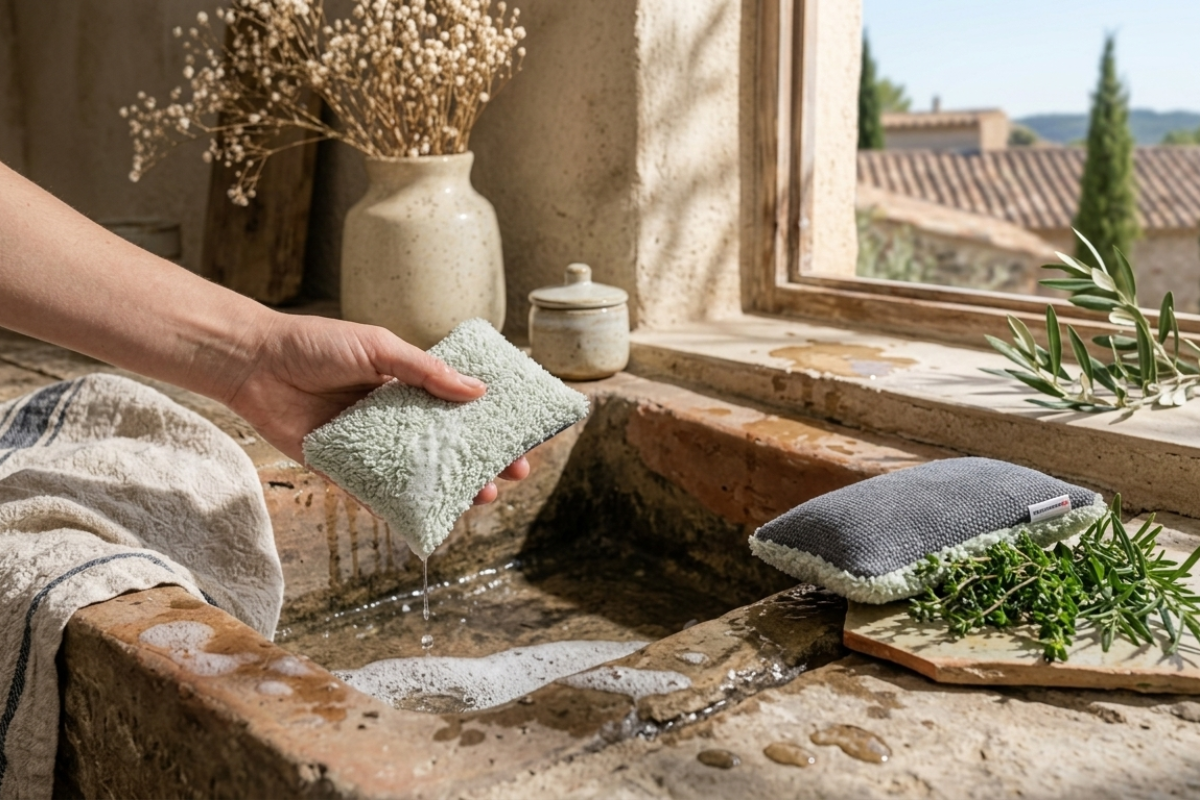
Switching to an eco-friendly sponge is an obvious step when you want to reduce waste at home, but when it comes to buying, one question comes up almost every time: which sponge should you choose among all the alternatives available?
Tawashi, microfibre, loofah or multi-purpose washable sponges… There are many options, but they don't all meet the same needs. Understanding their differences helps you choose a sponge genuinely suited to your daily life, without compromising between effectiveness, comfort and environmental impact.
Why are there so many eco-friendly sponges?
The market for alternatives to disposable sponges has grown strongly in recent years. Each solution follows a different logic: reducing waste, durability, naturalness or cleaning performance. The result? There isn't one universal sponge, but several approaches to 'zero waste'. The right choice depends above all on how you actually use it day to day.
Tawashi sponges: the DIY zero-waste solution
The Tawashi is a sponge of Japanese origin made from recycled fabrics. It can be knitted, crocheted or made from used clothes.
It's a simple, creative solution for giving textiles a second life.
Advantages
It's machine-washable, reusable and entirely plastic-free. It also helps reduce your textile waste while letting you personalise your sponge to your needs.
In the kitchen, it's ideal for light tasks, wiping or cleaning lightly soiled surfaces.
Limits
The Tawashi is less absorbent than a conventional sponge and has no real scouring side. Its texture can be surprising at first and its effectiveness on grease remains limited.
Microfibre sponges: effective but synthetic
Microfibre sponges are valued for their softness and versatility. They clean without scratching and suit many surfaces.
Advantages
They're machine-washable, durable and very effective on smooth surfaces such as windows, worktops or stainless steel. Their lifespan is generally good if they're well cared for.
Limits
Their composition rests on synthetic fibres derived from petrochemicals (polyester, polyamide). When washed, they can release microplastics into the wastewater.
They aren't scouring and can retain odours if they don't dry properly.
The loofah: the 100% natural plant sponge
The loofah is a tropical gourd that, once dried, becomes a plant fibre used as a natural sponge. It's an entirely biodegradable and compostable alternative.
Advantages
The loofah is 100% natural and plastic-free. Its fibrous structure gives it real scouring power, ideal for dishes or lightly soiled surfaces.
It can also be composted at the end of its life, which makes it a very interesting solution environmentally.
Limits
It isn't absorbent and doesn't replace a conventional sponge for every task. Its slow drying can encourage mould if it's poorly cared for. It isn't suited to intensive kitchen use.
Conventional washable sponges: the best compromise
The multi-purpose washable sponges are today one of the most balanced alternatives. They combine effectiveness, comfort and durability.
Unlike some very specialised solutions, they suit most household uses.
Some versions combine a soft side and a scouring side, as well as an absorbent core, to reproduce the feel of a conventional sponge while limiting environmental impact.
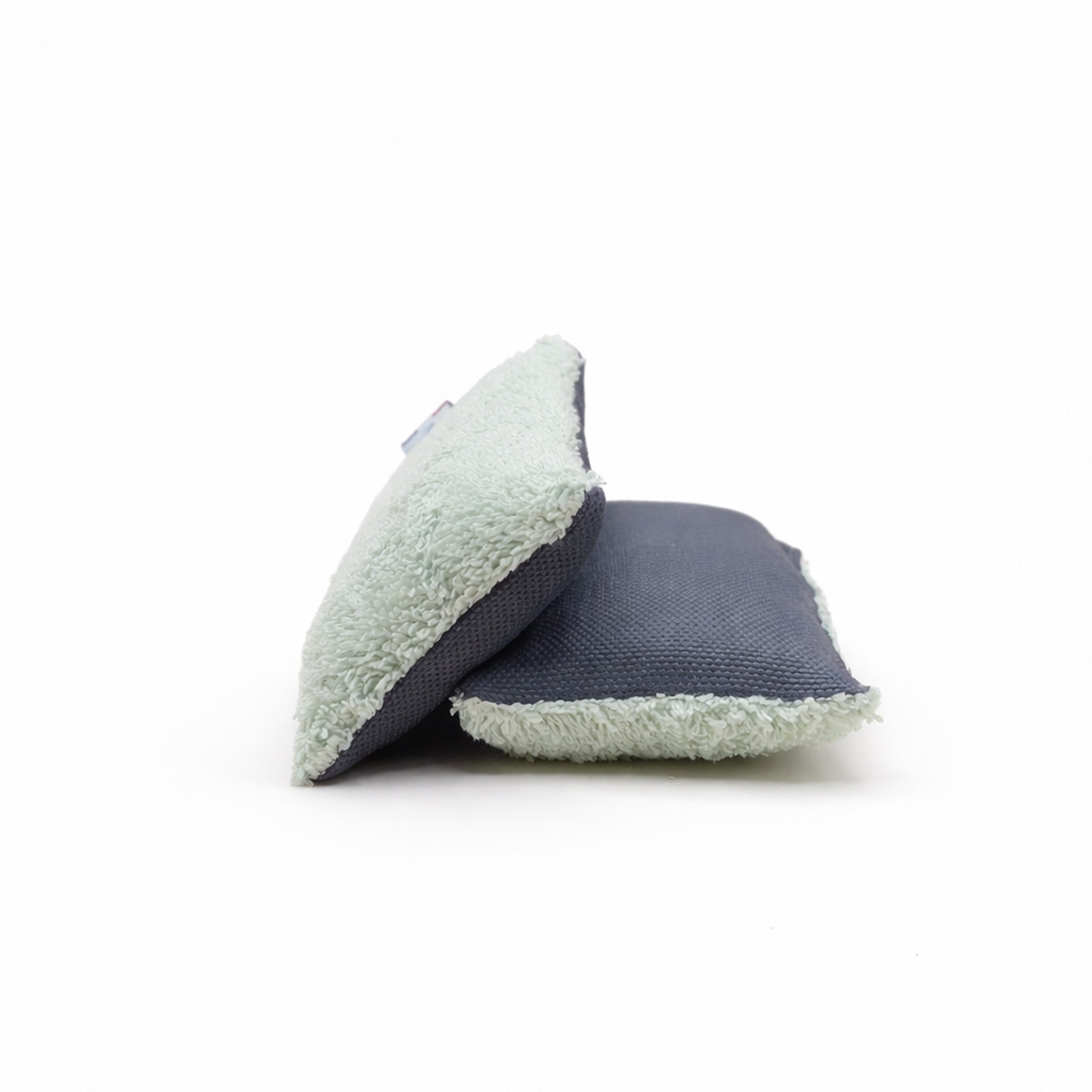
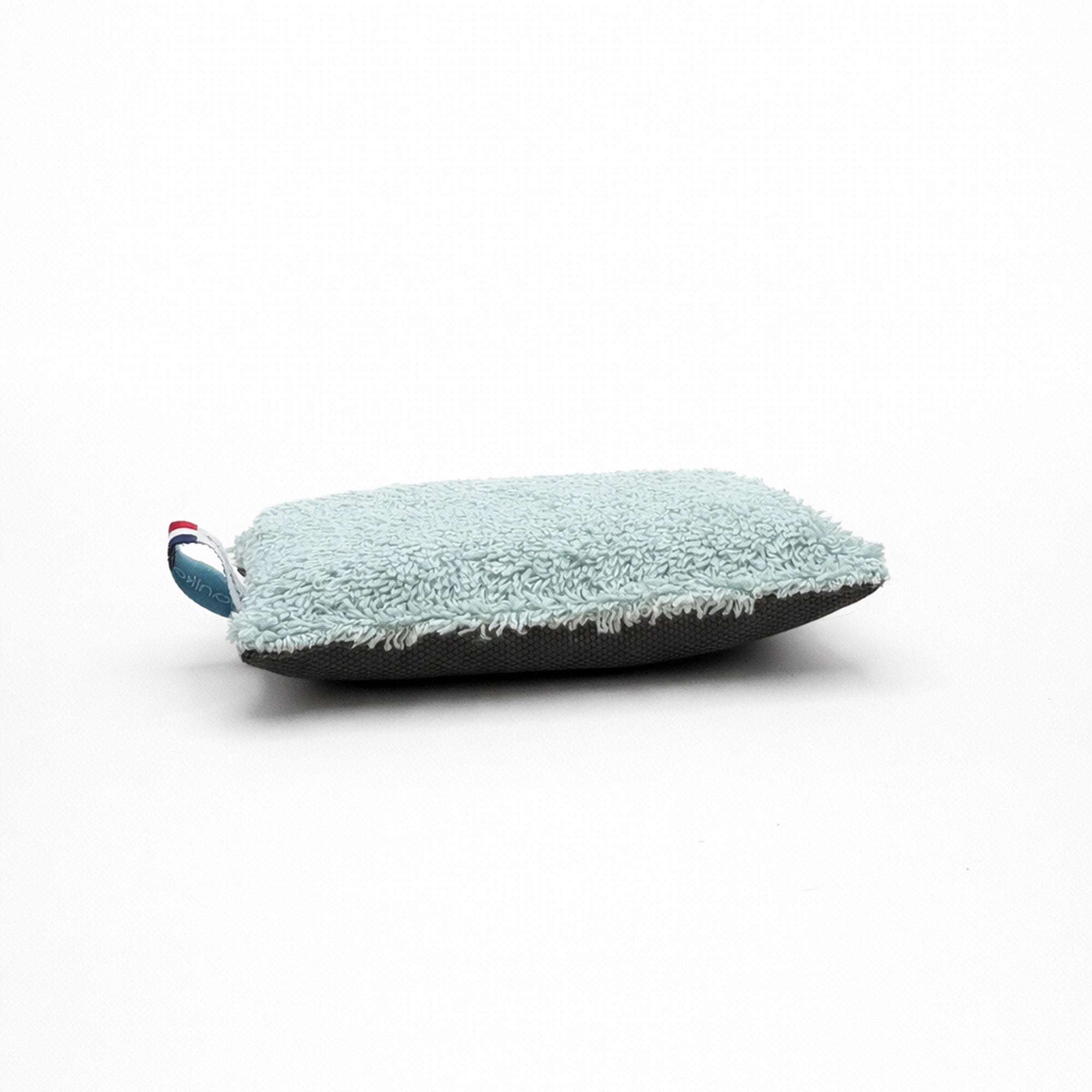
Example: the Danika washable sponges. Made from Oeko-Tex certified cotton, braided jute and plant fibres, they offer a durable, versatile alternative. They can be machine- or dishwasher-washed and are designed for everyday use throughout the home.
Advantages
They're durable, biodegradable depending on their composition and suited to the kitchen as well as the bathroom. Their two sides let you alternate between gentle cleaning and scouring.
They also offer a good grip and a real feel close to a traditional sponge.
Limits
The drying time is slightly longer than a conventional sponge. The feel may take a little getting used to.
The washable sponge glove (microfibre or cotton)
Often absent from comparisons, the washable sponge glove is nonetheless a widely used everyday alternative. It combines the function of a sponge and a glove, which makes it easier to handle and cleaning more intuitive.
Advantages
It's particularly handy for large surfaces such as worktops, tables or the bathroom. Its shape allows a good grip and quicker cleaning, without effort. It's also machine-washable, which makes it a reusable, economical solution in the long run. Finally, it can replace several cleaning accessories in one.
Limits
Most models are made from microfibre, so from synthetic fibres. This can raise environmental questions. Moreover, its size and shape make it less precise than a small conventional sponge for hard-to-reach areas or very targeted tasks.
Alternatives to sponges: wooden dish brushes
The dish brush isn't strictly a sponge, but it's establishing itself as a genuine alternative in more sustainable cleaning habits. It's increasingly present in kitchens looking for plastic-free solutions.
Advantages
It's particularly effective on caked-on grease and pans, thanks to its stiff bristles. Its lifespan is worthwhile, especially when the head is replaceable depending on the model. It also limits prolonged contact with moisture, which helps reduce the growth of bacteria.
Limits
It's less versatile than a conventional sponge and isn't suited to every surface. Nor does it fully replace a sponge for everyday uses, particularly for delicate surfaces or quick cleaning.
In short, which durable sponge should you choose?
The right choice depends above all on how you clean day to day.
If you're looking for a simple, creative, plastic-free solution, the Tawashi can suit small tasks and light cleaning.
If you favour softness and versatility on delicate surfaces such as stainless steel, glass or worktops, microfibre remains effective, even if its synthetic composition may put off those who want to limit plastic fibres.
If your priority is 100% natural, the loofah is an interesting alternative. It's biodegradable and compostable, but it remains less versatile and requires more rigorous care.
Finally, if you're looking for a balance between effectiveness, comfort of use and a more responsible approach, multi-purpose washable sponges remain the most complete option today. They come close to the conventional sponge while clearly reducing everyday waste.
FAQ
Which eco-friendly sponge is the most versatile?
Multi-purpose washable sponges like Danika's are the most versatile. They let you clean the kitchen, the bathroom and everyday surfaces without multiplying accessories.
Which eco-friendly sponge should you choose to avoid plastic?
The Tawashi and the loofah are the two most interesting options. The first is made from recycled fabrics, the second is a completely natural plant fibre.
Which eco-friendly sponge is most effective against grease?
Durable sponges with a scouring side or wooden dish brushes are the most effective on grease and pans.
Which eco-friendly sponge lasts the longest?
Multi-purpose washable sponges and microfibre ones are generally the most durable, provided they're well cared for and properly dried.
Can you clean everything with a single eco-friendly sponge?
No. Each type of sponge has its limits. The most versatile models cover most uses, but some specific tasks sometimes need a brush or a more targeted sponge.
Best Sellers

Livraison gratuite dès 49€
Paiement sécurisé

Envoi rapide

Service client réactif