
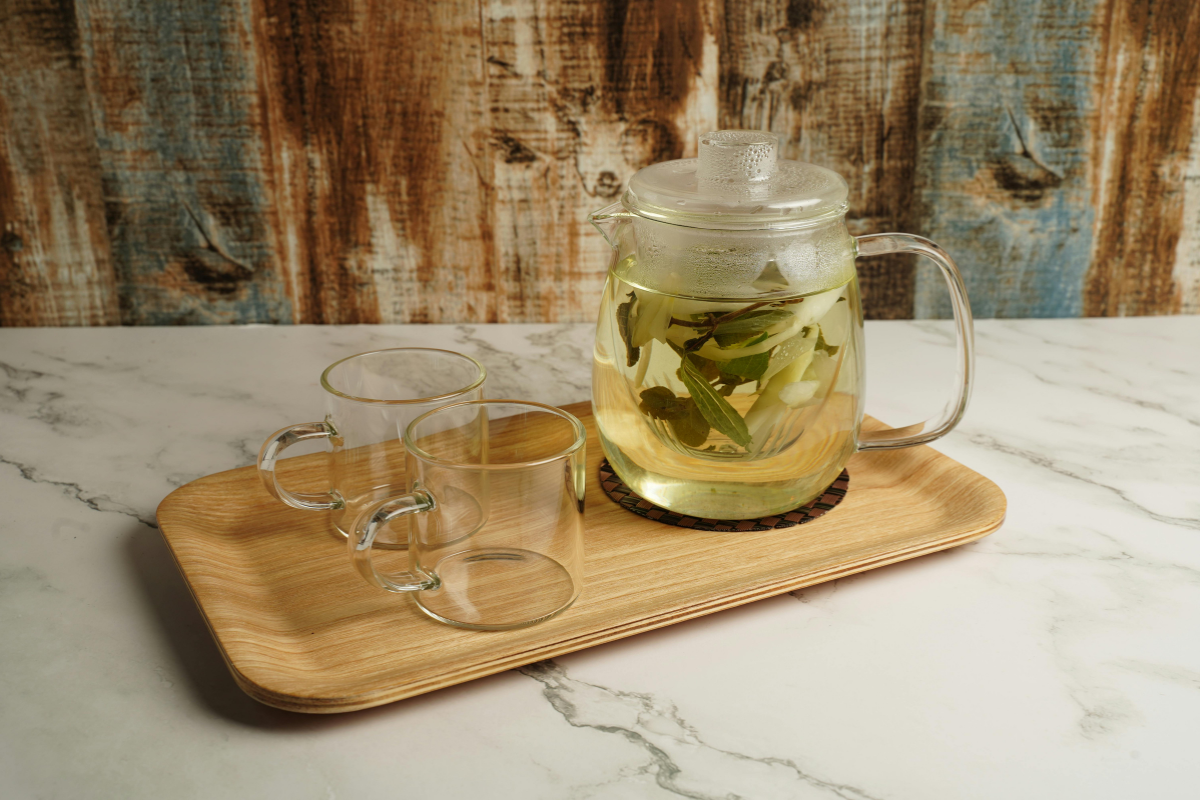
Herbal teas are drinks made by infusing plants in hot water. They can be prepared from flowers, leaves, roots, seeds or bark, depending on the effects sought or the traditions.
They've been drunk for centuries in many cultures to support everyday wellbeing. Depending on the plants used, they can act gently on different aspects of the body, without replacing medical advice or treatment.
1. Which herbal tea is said to aid digestion?
Some plants are traditionally drunk after meals to support digestive comfort, particularly after a large meal or when you feel heavy.
Peppermint, fennel, chamomile, green anise, verbena, lemon balm or ginger are often cited in this context. They may soothe the stomach, reduce bloating and ease gastric emptying.
They're most often drunk as a hot infusion after meals, as a simple, soothing ritual.
2. Benefits of herbal teas: which plant brew for the liver?
Some plants are traditionally associated with supporting liver function, particularly during periods of digestive fatigue or after dietary excess.
Dandelion, rosemary, black radish or artichoke are used in this context. They could support the body's natural elimination functions and form part of occasional wellbeing courses.
3. Which infusion might help strengthen natural defences?
In winter or during seasonal changes, some herbal teas are regularly drunk to support the body's natural defences.
Thyme, rosemary or rosehip are often mentioned for their richness in aromatic compounds and antioxidants. They could be included in a daily routine aimed at supporting the body during more sensitive periods.
4. A beneficial herbal tea to encourage sleep and relaxation?
Sleep problems are often linked to stress, lifestyle or environment. Some plants are traditionally used to encourage relaxation at the end of the day.
Chamomile, lime blossom, passionflower, valerian or hops are frequently drunk in the evening. They could help create a feeling of calm and gradually prepare for falling asleep.
5. Which plant infusion to support blood circulation?
Some plants are associated with circulatory comfort and the feeling of lighter legs. For example, red vine, bilberry or beech (or cinnamon, depending on the source) could be included in wellbeing routines, particularly when you feel heaviness or discomfort.
6. Which plant might support kidney function?
The kidneys play an essential role in eliminating the body's waste. Some plants are traditionally recommended to support these natural functions.
These include birch, parsley, fennel, thyme or liquorice.
7. Which infusion might help with nausea?
Some plants are drunk in cases of mild or passing nausea, such as ginger, peppermint, lemon balm or thyme.
They could be used occasionally to soothe feelings of discomfort.
8. Which herbal preparation might help reduce stress?
To encourage mental and physical relaxation, some people drink passionflower, valerian, St John's wort, black horehound or saffron. These herbal teas could accompany periods of nervous tension or emotional fatigue.
9. Which infused drink for a cold?
During winter episodes, some herbal teas could support respiratory comfort.
Thus, thyme, ginger, rosemary or lemon could help bring a feeling of warmth and general comfort.
10. Which blend of plants to infuse might support weight loss?
As part of a balanced lifestyle, some herbal teas are sometimes associated with a diet.
Mint, cinnamon, turmeric, cherry stalk or rosemary are often mentioned in this context. They don't cause weight loss on their own, but can accompany a balanced diet and an active lifestyle.
In summary
Herbal teas are drinks made by infusing plants (flowers, leaves, roots, seeds or bark) in hot water. Drunk for centuries, they're part of many wellbeing traditions.
Depending on the plants chosen, they could gently support different bodily functions: digestion, relaxation, sleep, circulation, immunity or natural elimination.
Their main benefit is thought to lie in their dual action: hydrating the body and providing natural compounds from plants.
It's important to remember that herbal teas don't replace medical advice or treatment, but can form part of an overall healthy lifestyle.
What's more, some plants used as infusions can interact with medication (for example St John's wort or liquorice), so it's advisable to consult a healthcare professional if you're on treatment, pregnant, breastfeeding, or for children.
FAQ - Herbal teas
How long should you leave a herbal tea to infuse?
The infusion time depends on the plant used. Generally, a few minutes are enough for leaves and flowers, while tougher parts such as roots or bark require a longer preparation. It's advisable to follow the instructions provided with the plants.
Can you drink a wellbeing infusion every day?
Some herbal teas can be part of a daily wellbeing routine. However, prolonged consumption of the same plant isn't always recommended, particularly for plants with a stronger action. Varying your infusions helps diversify the intake.
How do herbal teas work in the body?
Herbal teas are made by infusing plants: flowers, leaves, roots, seeds or bark. In hot water, some of their compounds diffuse into the liquid. Once drunk, these compounds are partly absorbed by the body, while the infusion also contributes to hydration.
The action of herbal teas is generally gradual and moderate, which explains why their daily use is linked more to comfort and wellbeing than to an immediate therapeutic effect. They can support certain bodily functions, such as relaxation or digestive comfort, but don't replace medical advice or suitable treatment in the case of illness.
What's the difference between a herbal tea, an infusion and a decoction?
The terms herbal tea, infusion and decoction are often used as synonyms, but they refer to different preparations.
A herbal tea is a drink made from plants infused in hot water. An infusion refers more precisely to the method of pouring hot water over the fragile parts of plants, such as leaves or flowers, then leaving them to steep for a few minutes.
A decoction, on the other hand, involves directly heating certain tougher parts of plants, such as roots, seeds or bark, in order to extract more of their compounds.
How do you prepare a herbal tea well?
The quality of a herbal tea depends as much on the choice of plants as on its preparation.
To prepare an infusion, it's generally advisable to:
- use good-quality water, ideally with a low mineral content.
- respect the recommended infusion time for the plants.
- cover the cup during infusion to preserve the volatile aromatic compounds.
- drink the infusion soon after preparing it.
- Too short an infusion may lack flavour and benefit, while too long an infusion can give a more bitter taste.
Do herbal teas contain caffeine?
No, plant-based herbal teas naturally contain no caffeine. They differ in this from tea or coffee and can generally be drunk at different times of day. Be careful, however, with blends containing tea or maté.
Which herbal tea to drink after a meal?
After a meal, some people enjoy plants traditionally associated with digestive comfort, such as peppermint, lemon balm, fennel or chamomile. They can be drunk as a hot infusion to support digestion.
Can you mix several plants in a herbal tea?
You can combine several plants to create blends suited to different times of day or wellbeing goals.
However, adding more ingredients doesn't necessarily improve an infusion's effectiveness. A simple blend with a few complementary plants often lets you better appreciate the flavours and the properties sought.
What's the best way to store a herbal tea?
Dried plants should be stored in a dry place, away from light and moisture. An airtight container helps preserve their aromas and qualities for longer.
Can herbal teas replace medical treatment?
No. Herbal teas can support an everyday wellbeing approach, but they don't replace a medical diagnosis or a treatment prescribed by a healthcare professional.
Can you drink herbal tea during pregnancy?
Some plants may be inadvisable during pregnancy or breastfeeding. If in doubt, it's best to seek advice from a healthcare professional before regularly drinking a herbal tea or plant blend.
Best Sellers


Livraison gratuite dès 49€

Paiement sécurisé

Envoi rapide

Service client réactif