
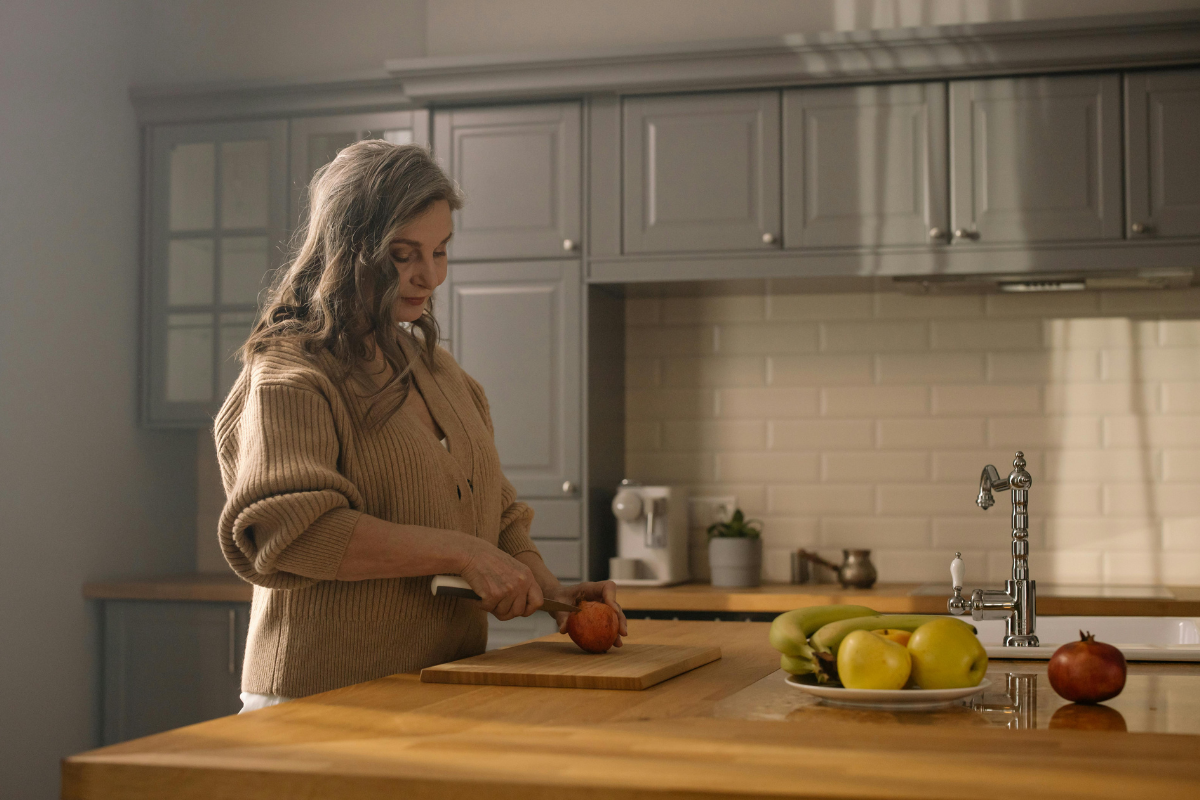
Reinventing your kitchen isn't just about the choice of colours or furniture. It's also a question of use, everyday habits and the way we consume. Little by little, this space becomes a place where you can bring in more frugal habits: reducing waste, favouring reusable items, and rethinking what you keep close to hand.
A zero-waste kitchen: an aesthetic that's here to stay
The zero-waste kitchen is no longer a niche concept. It has settled into current décor trends, driven by a search for simplicity and more natural materials.
Light wood, glass, linen, raw ceramic… It all creates a softer atmosphere, often associated with a sense of space and restraint, but behind the aesthetic there's above all a functional logic: fewer disposable items, more durable ones.
Glass jars and bottles: organise, store, reduce plastic
Glass jars and reusable bottles are the first steps towards a more zero-waste kitchen.
They let you store loose food and simple household products, while reducing single-use plastic packaging.
Beyond their practicality, they bring visual consistency: a clearer kitchen, where products are no longer hidden behind standardised packaging.
Glass also has a simple advantage: it doesn't transfer particles to food and keeps over time without deterioration.
Wooden accessories for a zero-waste kitchen
Bringing wood into the kitchen isn't just a decorative choice. It's also a way of replacing certain plastic items with more durable alternatives.
Dish brushes, chopping boards, utensils, shelves… These items change the room's atmosphere while reducing the waste linked to consumables.
In a kitchen, perceived as a functional and 'cold' space, these materials bring a form of balance: more visual warmth, without losing practicality.
Washable sponges and durable kitchen roll: rethinking everyday consumables
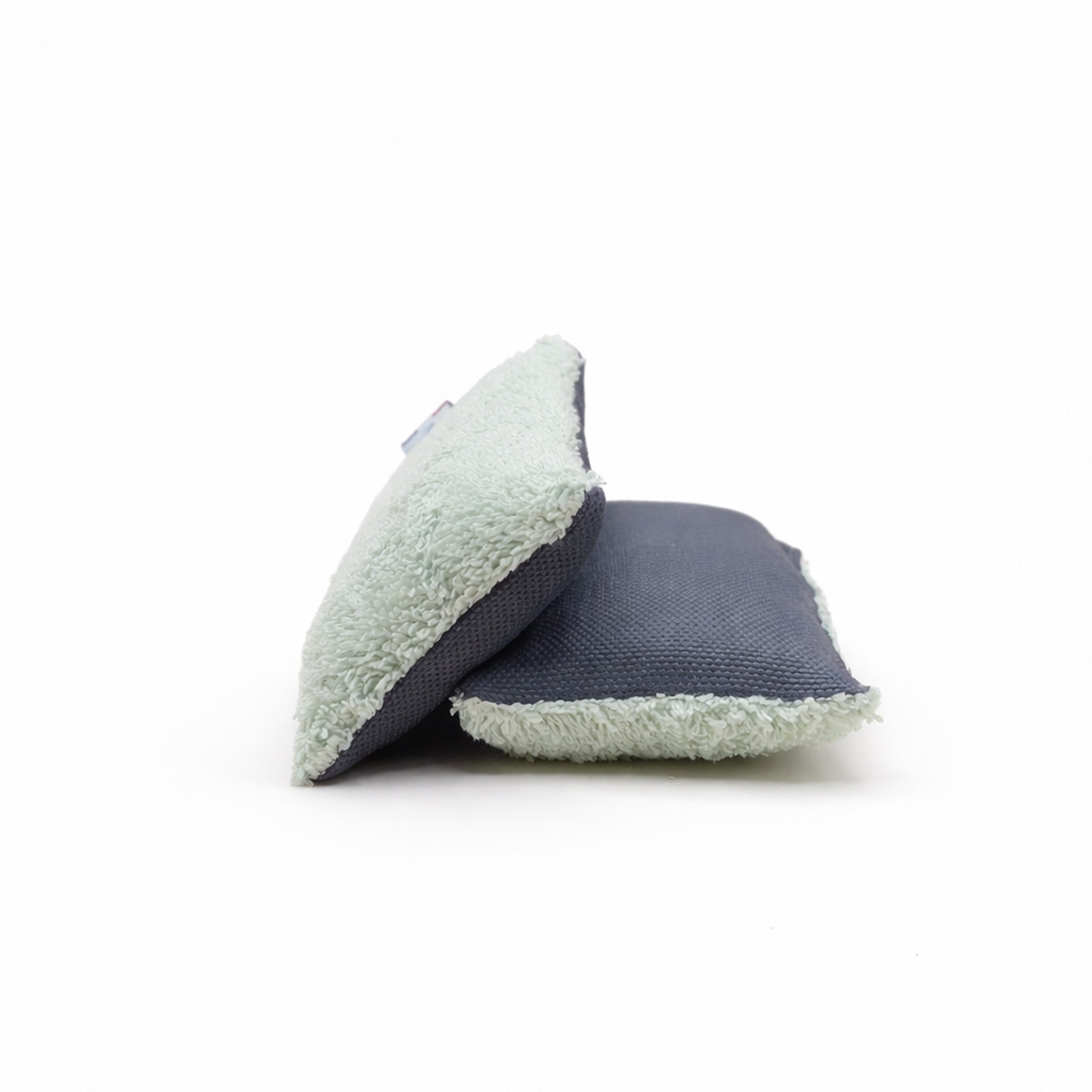
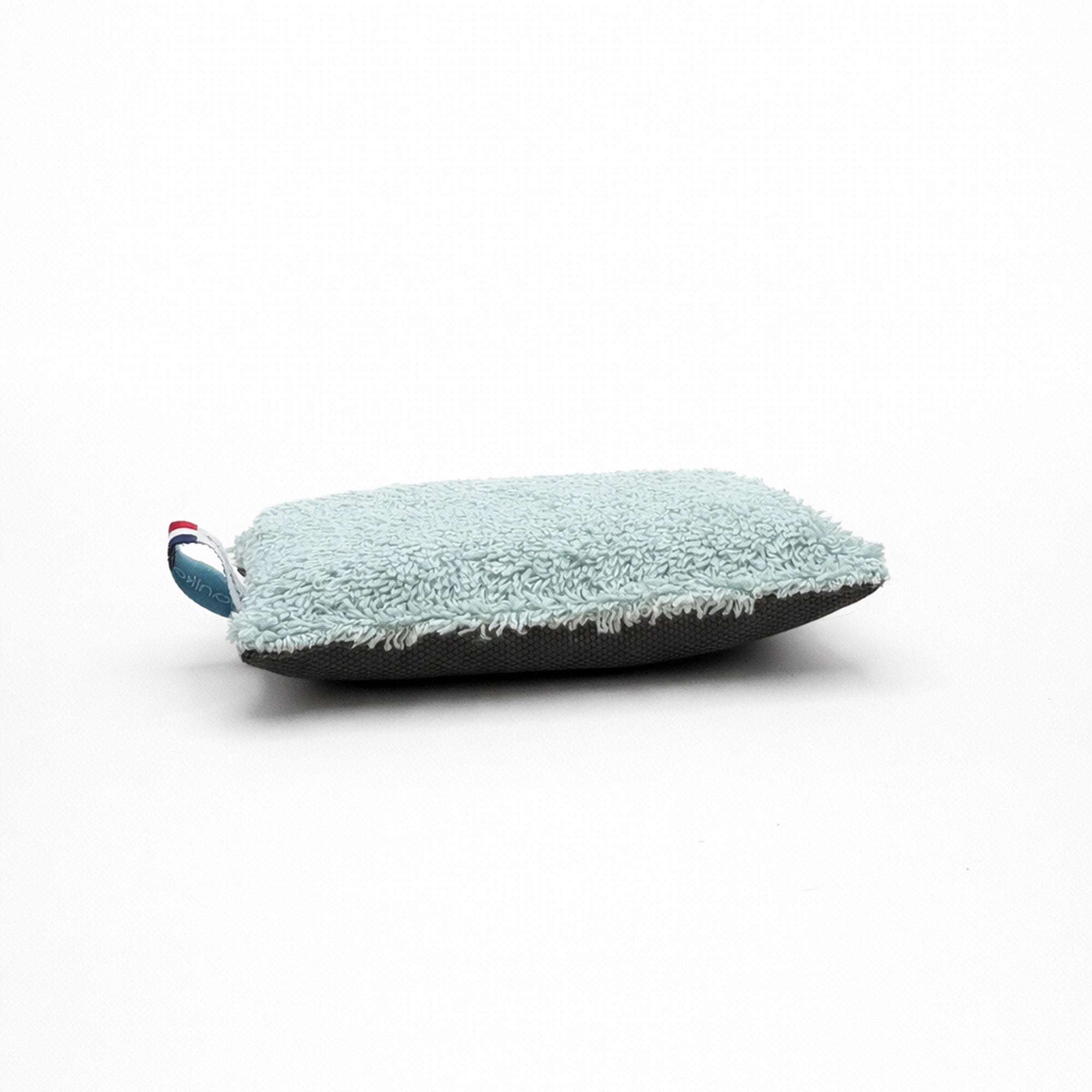
Conventional sponges and kitchen roll are among the most consumed items in the kitchen, and therefore among the biggest waste generators.
Gradually replacing them with washable alternatives changes things. Reusable sponges, plant-fibre brushes and washable cloths have one thing in common: they shift use from disposable to durable, without making upkeep any more complicated.
Plants for a zero-waste kitchen
Plants naturally find their place in a zero-waste kitchen. They aren't directly part of a waste-reduction logic, but they contribute to a form of overall balance in the space.
In an environment dominated by functional materials (glass, metal, wood), they introduce a living presence that changes how the room is perceived. The kitchen then seems less rigid, more lived-in, without any particular effort.
At home, their impact on air quality remains limited. On the other hand, they play a role in the general atmosphere: they soften the lines, add depth and create a more direct link with greenery day to day.
Some varieties adapt particularly well to the constraints of a kitchen, where heat, humidity and changing light levels mix. This is the case with pothos or spider plant, known for their resilience and easy care.
A zero-waste kitchen: where to start?
Switching to a zero-waste kitchen doesn't happen in a single step. The idea isn't to transform everything, but to create a realistic progression suited to your pace and the way you consume.
The first step is simply to observe. Before buying anything, it helps to identify what generates the most waste in your kitchen: food packaging, kitchen roll, disposable sponges, plastic bottles, household products in multiple formats… This quick assessment already shows where the 'easy wins' are.
Then, it's more effective to start with high-turnover items. These are the ones you use every day and replace regularly: a sponge, a roll of kitchen roll, a bottle of household product. That's where the change is most visible, without complex organisation.
Another important point is not to try to multiply zero-waste purchases. The aim isn't to add items, but to simplify what already exists. A glass jar can replace several containers, a single refillable bottle can replace several products, a washable cloth can replace a whole use of disposable paper.
In summary
A zero-waste kitchen rests on simple choices: favouring durable materials, limiting disposable consumables and organising the space more rationally.
Jars, wood, washable textiles and reusable alternatives help gradually reduce waste without completely changing your habits.
The point isn't to transform everything, but to make the kitchen more consistent, more sustainable and simpler to live with day to day.
FAQ
Why favour glass jars over plastic?
Glass is durable, reusable and doesn't degrade over time. It also helps limit single-use packaging while offering better visual organisation in the kitchen.
Are washable sponges really effective?
Yes, they do the same job as conventional sponges, while being reusable. They help reduce the waste linked to consumables while remaining suited to everyday use.
Is wood only an aesthetic choice?
No, wood is both aesthetic and functional. It replaces certain plastic accessories such as chopping boards or utensils, while adding more durability and warmth to the kitchen.
How do you adopt a zero-waste kitchen without changing everything?
The idea is to go step by step. Starting with the items used most every day gradually reduces waste, without completely changing your habits or overloading your kitchen with new items.
Best Sellers

Livraison gratuite dès 49€

Paiement sécurisé

Envoi rapide

Service client réactif