

Eco-friendly travel isn't about radically changing your habits, but about a series of adjustments that fit naturally into your holidays.
Between transport, accommodation, food and everyday habits, each decision helps reduce the overall footprint of the trip.
1 – Travel less often, but for longer
One of the simplest ways to reduce the environmental impact of your trips is to rethink their frequency and length. Rather than taking lots of short breaks throughout the year, favour longer, fewer holidays.
This approach has another advantage: it transforms the way you travel. The trip is no longer a succession of stops or sights to tick off. The pace becomes calmer, leaving more room for discovery, encounters and immersion in local life.
2 – Favour the most frugal transport
The choice of transport directly influences the carbon footprint of an eco-friendly trip.
-
The train remains today one of the most effective solutions for limiting emissions on national and European journeys. It greatly reduces the impact compared with flying over equivalent distances.
-
The coach or car-sharing complement these alternatives when the train isn't available, offering intermediate solutions that are more frugal than the private car.
3 – Choose nearby or committed destinations
The distance travelled plays an important role in a trip's impact. The closer you stay, the more you naturally limit the highest-emitting journeys.
Staying nearby also lets you take a fresh look at often-overlooked areas. Just a few hours away, you already find a great diversity of landscapes, atmospheres and experiences, without needing to travel far.
4 – Favour committed accommodation
Some accommodation reduces its impact by limiting water and energy use, and by improving waste management.
In practice, this can take the form of simple habits: less polluting cleaning products, adjusted laundry management, or limiting routine washing.
Labels such as the EU Ecolabel, Clef Verte, Green Globe or Écogîtes help identify these approaches, with attention paid to frugal use of resources and reducing plastics.
5 – Adopt slow travel for a responsible trip
Slow travel means travelling less quickly, taking the time to stay longer in one destination rather than rushing from stop to stop.
This pace limits travel and encourages simpler choices on the spot, such as gentle transport or nearby activities. The trip becomes less about the number of places visited than about the quality of the time spent.
6 – Limit energy use
Reducing a trip's impact also means controlling energy use.
This involves simple actions: avoiding overusing air conditioning or heating, switching off appliances when they're not in use, or favouring accommodation and activities that are more energy-frugal.
Without radically changing your habits, these adjustments gradually reduce the trip's overall footprint.
7 – Reduce the impact of laundry
Reducing the impact of laundry rests above all on how often and how it's cared for during the trip. It's an often invisible area, but very heavy on water, energy and washing products.
The first lever is to space out the washes. A garment worn for a few hours doesn't necessarily need washing straight away. Airing, reusing or alternating outfits already greatly reduces the volume of laundry dealt with on a trip.
In accommodation, it helps not to make changing towels and sheets automatic. Many places now offer a change on request rather than automatically.
8 – Respect natural spaces
Natural spaces struggle to cope with the cumulative effects of tourist visits. Their balance rests on fragile ecosystems, sometimes disturbed by actions that seem harmless at an individual level.
The first principle is to leave the place as you found it. This means taking nothing: no plants, no pebbles, no natural elements, even in small quantities. What seems insignificant on a single visit becomes a repeated removal across thousands of visitors.
Staying on marked paths is just as essential. Straying off the trails can weaken vegetation, accelerate soil erosion and disturb nesting or resting areas for certain species. Existing routes are designed precisely to channel visitors.
Interaction with wild animals also calls for distance. Feeding them, even occasionally, changes their natural behaviour and can create dependency or an imbalance in their diet.
Finally, waste management remains a constant point of vigilance. Everything brought on site must leave with you, including organic waste.
9 – Eat local and seasonal
Eating local reduces the distances travelled by food and, by extension, the emissions linked to transport and logistics. It's a simple way to act on a trip's impact without deeply changing your habits.
By favouring products from the area you're visiting, you limit reliance on long supply chains, often more energy-hungry, while supporting local producers and nearby farming.
Seasonality also plays a key role. Choosing fruit and vegetables at the right time of year avoids heated-greenhouse production or distant imports, which weigh on the overall energy balance.
10 – Adopt more responsible hygiene when travelling with Danika
On holiday, disposable hygiene products quickly take over: mini plastic bottles, liquid shower gels, single-dose detergents. Handy in appearance, but often heavy on packaging and rich in needlessly transported water.
The alternative rests on more concentrated, more durable formats. Solid, powder or ultra-concentrated products limit both the volume transported and the amount of waste generated.
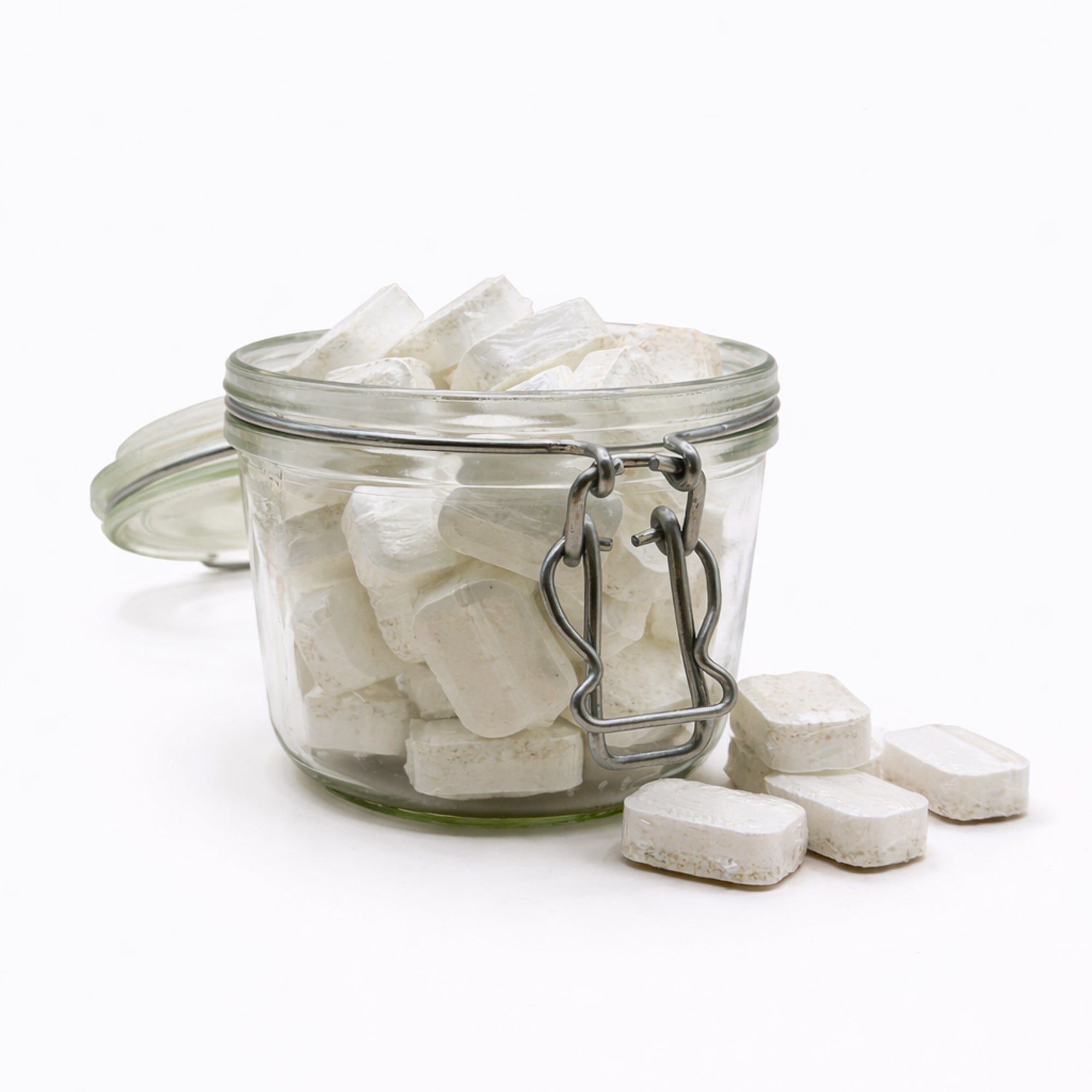
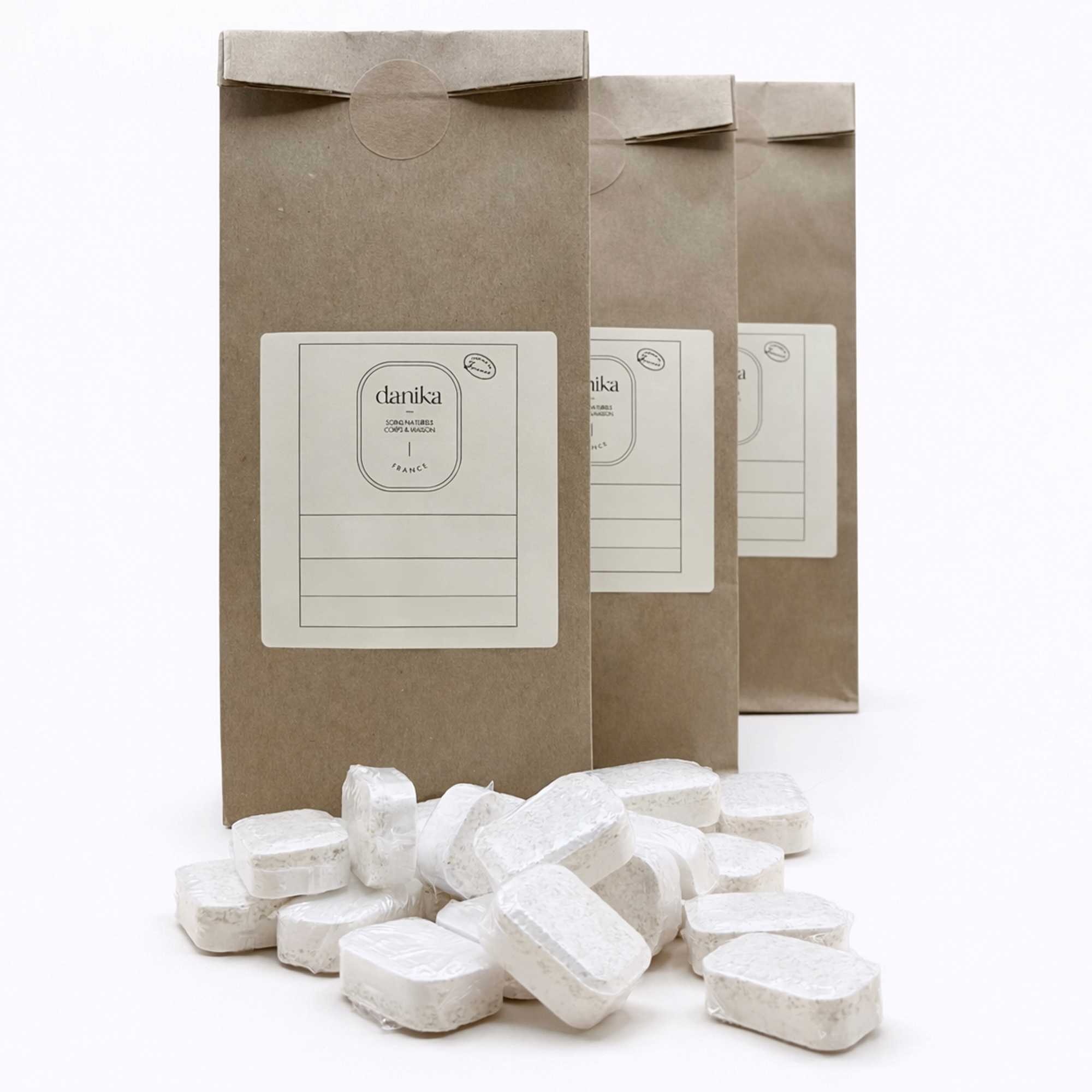
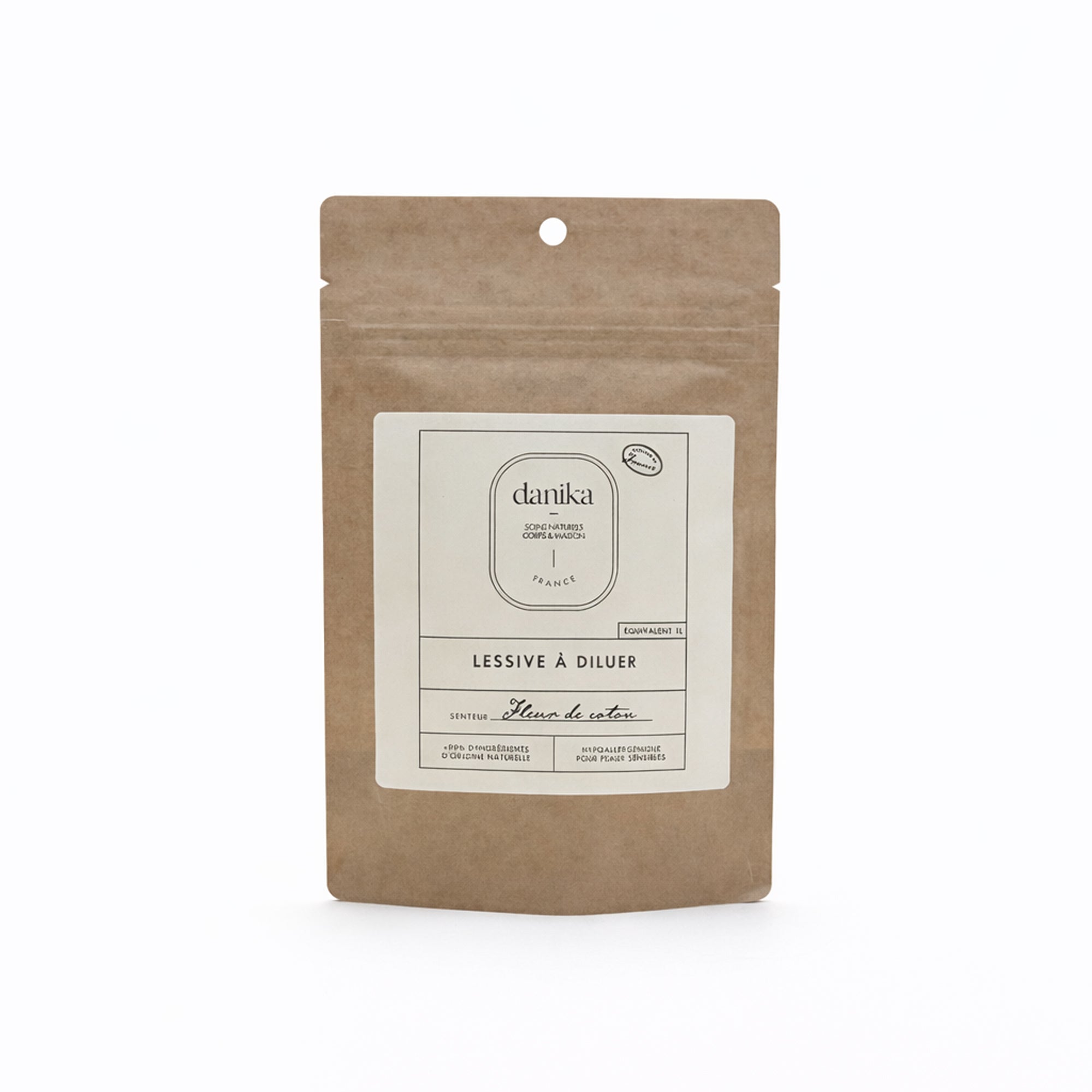
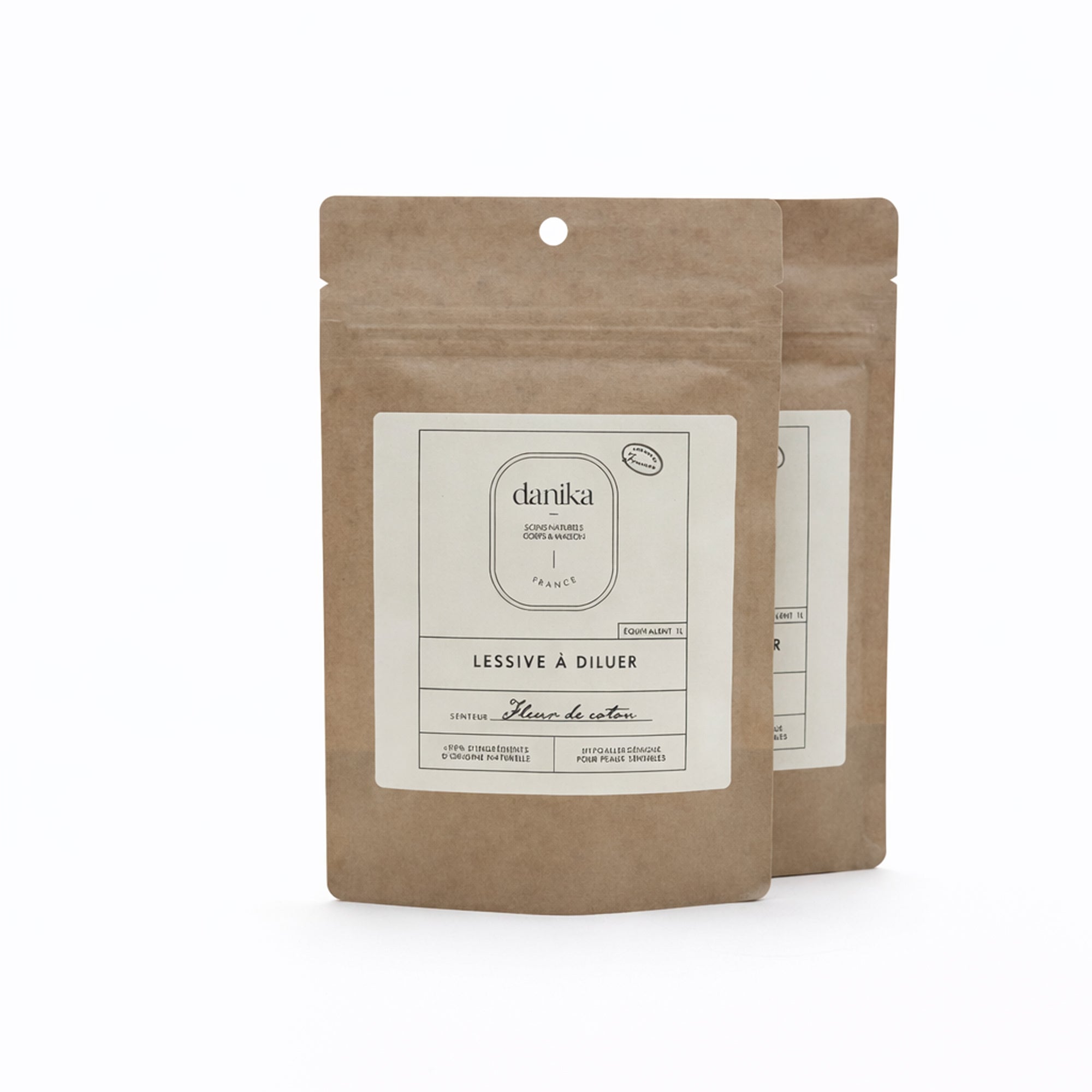
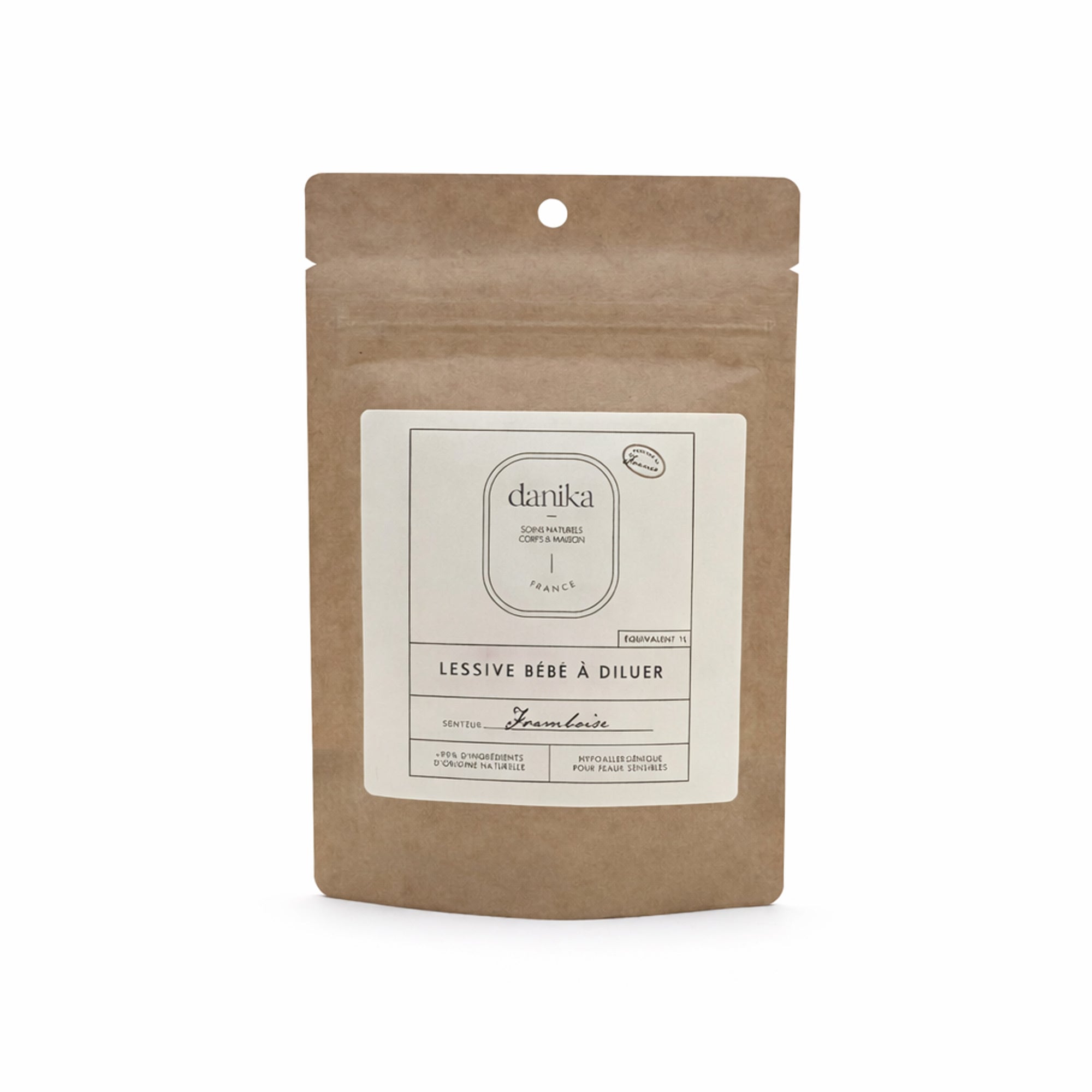
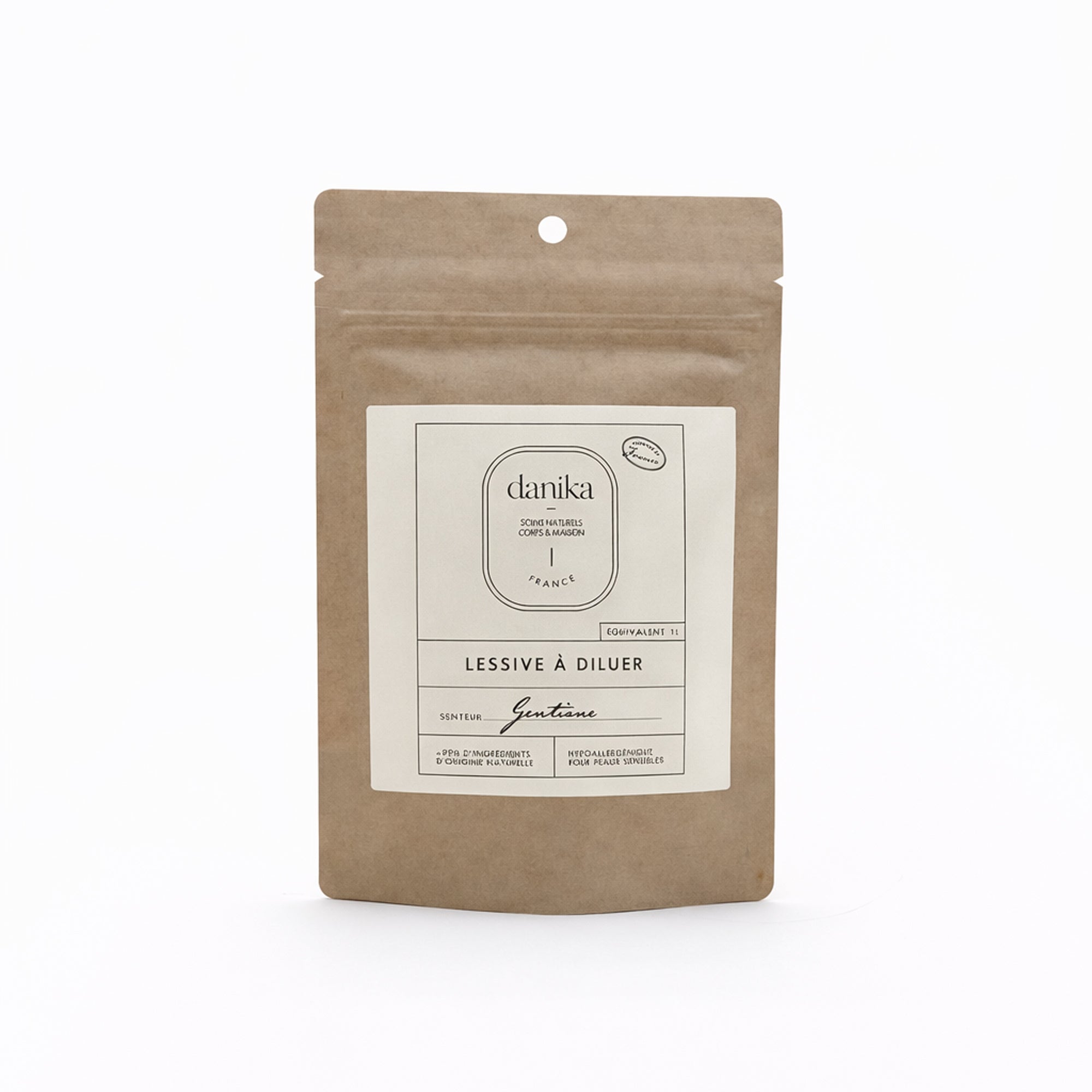
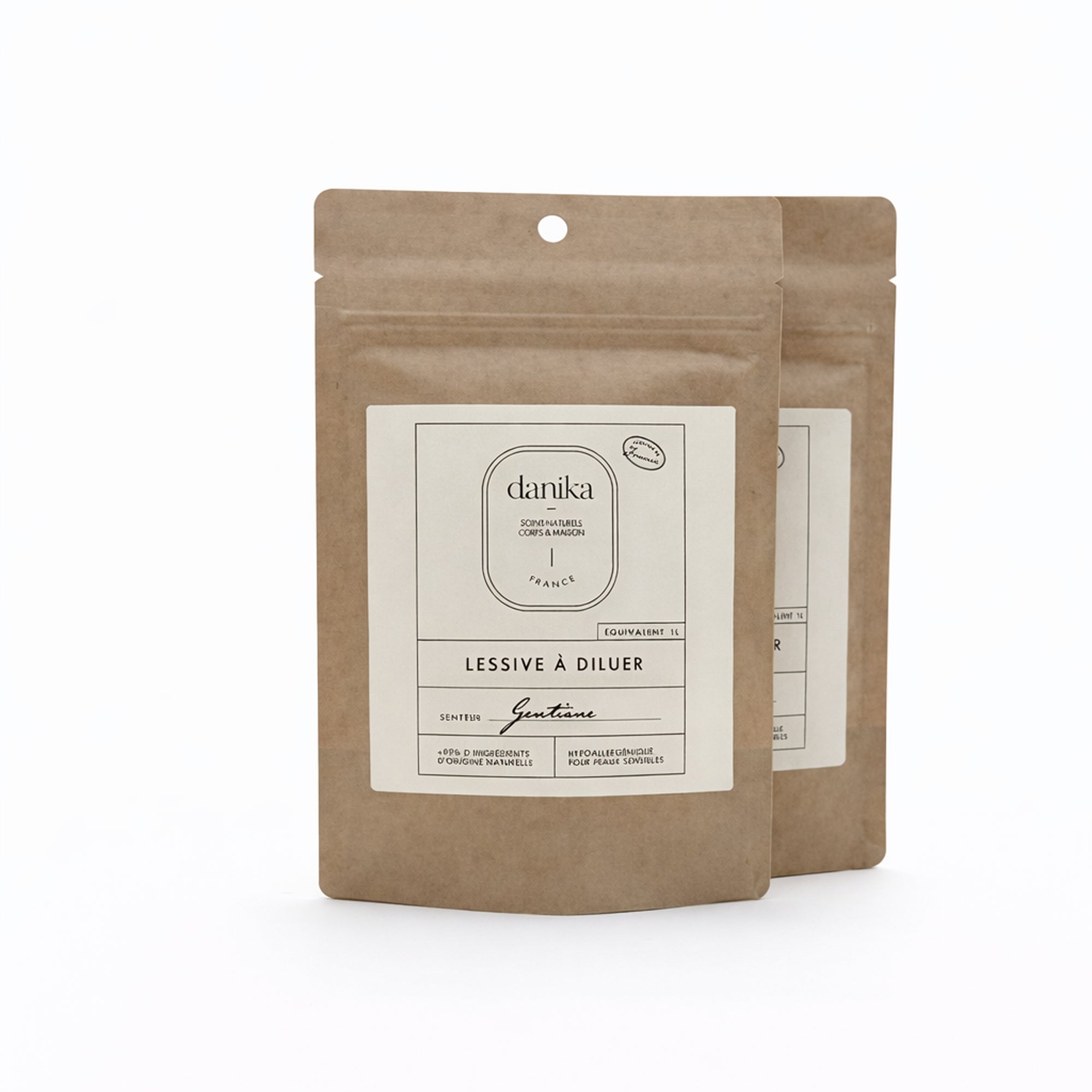
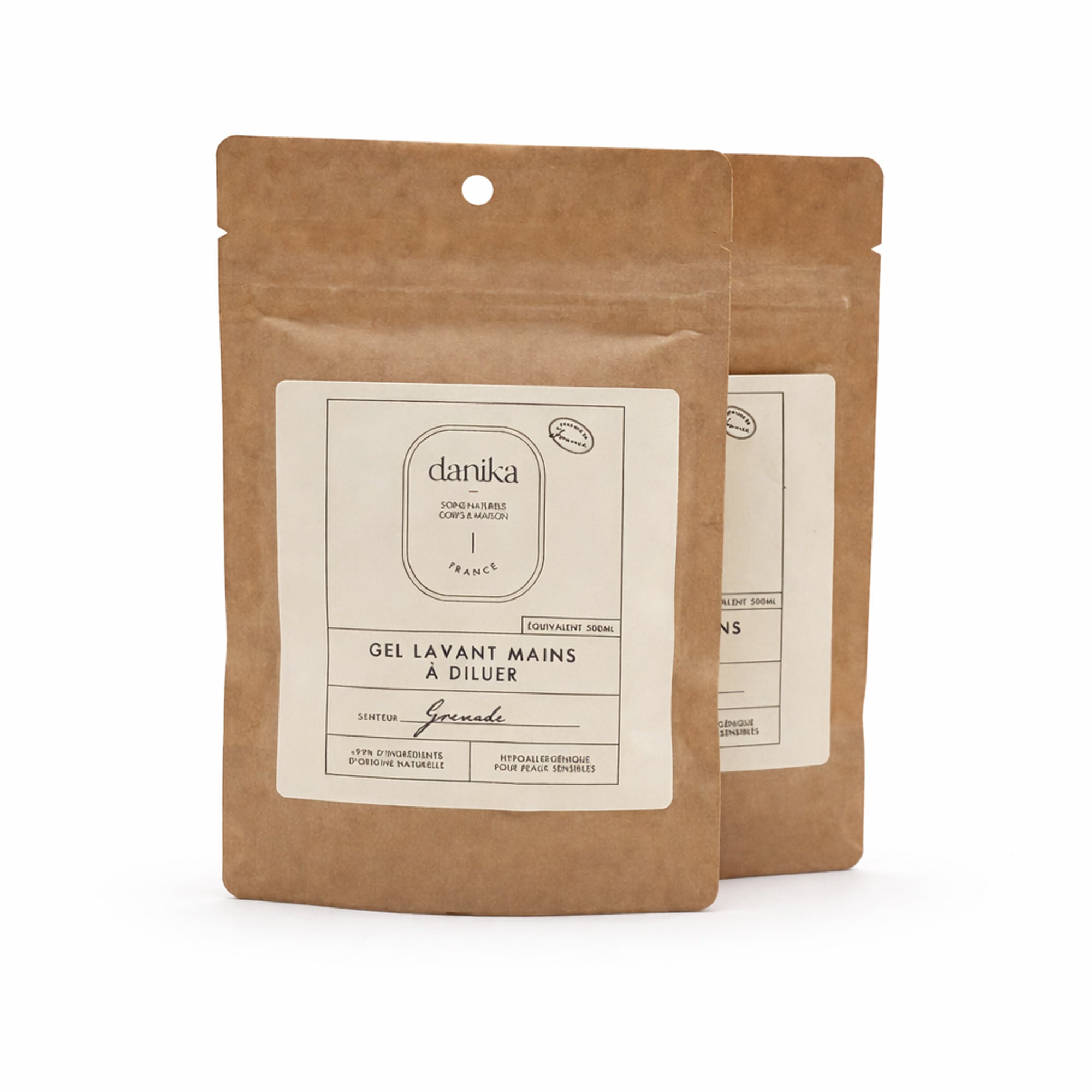
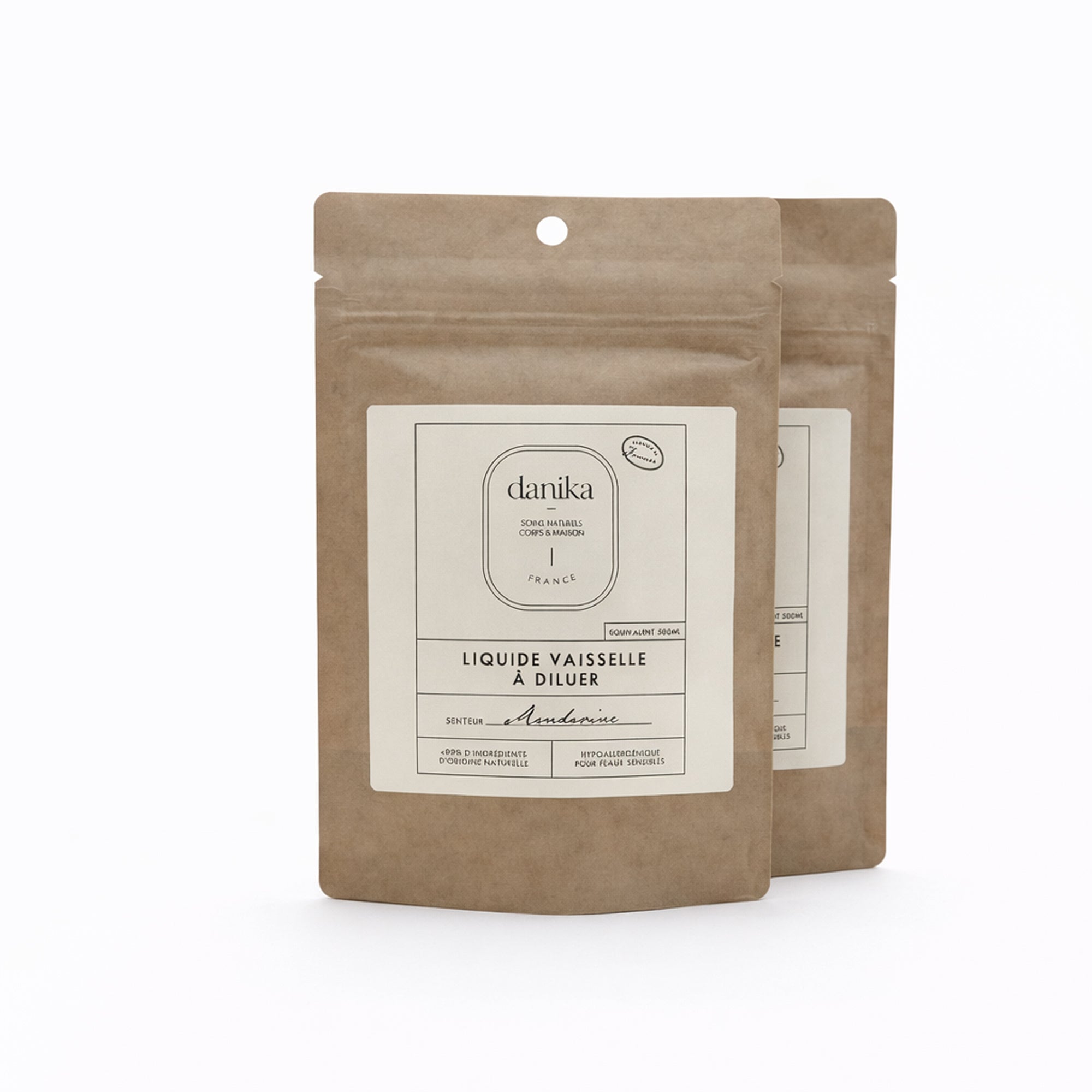
In this logic, concentrated powder detergents and the shampoos offered by Danika fit easily into a travel bag. Compact, they avoid superfluous containers and suit occasional use without overconsumption.
11 – Rely on reusable products
Reusables act as a simple lever to reduce waste from the outset.
A water bottle replaces plastic bottles, a foldable bag avoids single-use packaging, and refillable containers let you carry your products without multiplying disposable bottles. The benefit is as much practical as environmental.
12 – Limit waste even while travelling
Waste management doesn't stop at home sorting. When travelling, it depends above all on the available infrastructure.
When sorting is available, it lets you recover part of the recyclable materials. When it isn't, gathering your waste until you reach a suitable collection point remains the most sensible solution, to avoid any dispersal into the environment.
The aim isn't perfect sorting in all circumstances, but more consistent and responsible management, even far from home.
In summary
Travelling more responsibly rests on a series of simple adjustments built into everyday life.
Reducing travel, choosing more frugal transport, limiting energy use, more responsible hygiene and the use of reusable or concentrated products all significantly reduce a trip's overall impact.
The challenge isn't to completely transform your habits, but to make them more consistent and more frugal, without any loss of comfort.
Best Sellers




Livraison gratuite dès 49€

Paiement sécurisé

Envoi rapide

Service client réactif