
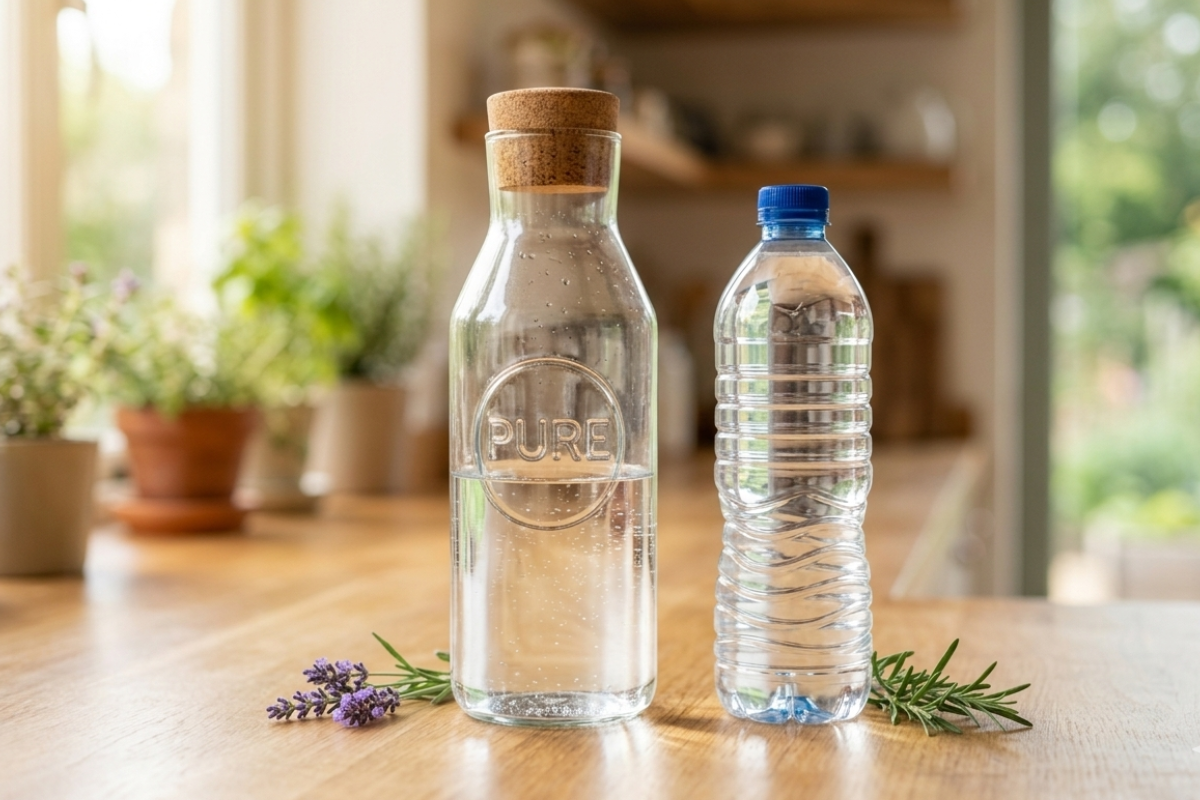
Could you answer this question without hesitation: between glass and plastic, which is the most eco-friendly packaging? The answer seems simple, but it deserves some nuance.
Is plastic really that bad for the environment?
Plastic has long been presented as a practical, light and economical solution. Yet its environmental impact is now widely documented.
Recycling quickly reveals its limits: plastic can only be recycled a very limited number of times before losing its properties. In time, it becomes hard to reuse and often ends up as final waste.
A large part of the plastic produced worldwide never enters a genuine recycling loop. It's either incinerated, with CO₂ emissions as a result, or buried in the ground, where its breakdown can span several centuries.
Over time, it fragments into microplastics, invisible but persistent, which contaminate soils, water and entire ecosystems.
Plastic and health: an often underestimated issue
Beyond the environment, plastic also raises health questions.
When exposed to heat, some plastic materials can release chemicals. This is particularly the case when heating food in unsuitable containers.
Some research highlights the potential role of these substances in endocrine disruption. They could interfere with the hormonal system and are being studied for their possible effects on fertility, metabolism or certain biological mechanisms.
Without being alarmist, these findings call for more cautious use of plastic, particularly for food or heated uses.
Is glass really greener?
Glass is often seen as a more sustainable alternative, but its manufacture isn't neutral.
It's produced from sand, soda ash and limestone. Sand extraction in particular represents a major environmental issue, as it's a heavily exploited resource worldwide.
Processing glass requires very high temperatures, reaching around 1,500°C, which involves high energy consumption and CO₂ emissions.
Transport also plays an important role. Heavier than plastic, glass increases the carbon footprint linked to logistics.
Finally, even though it's recyclable, its fragility can lead to losses in the production and transport chain.
Recycling glass and plastic: a structural difference
Glass can be recycled endlessly without any notable loss of quality. The same material can become identical packaging again and again.
Plastic, by contrast, sees its properties degrade with each recycling cycle. This strongly limits its ability to stay in a full circular loop.
This fundamental difference changes the overall perspective: glass fits into a logic of continuity, while plastic is gradually depleted.
So, which is the most eco-friendly packaging?
It all depends on the criterion you look at.
-
In terms of manufacture, plastic is lighter and requires less transport energy.
-
In terms of durability, glass is more stable and endlessly recyclable.
-
In terms of overall pollution, plastic today poses a major problem of end-of-life and dispersal into the environment.
In practice, glass is often considered a more sustainable option when it's reused several times rather than recycled after a single use.
Towards models without disposable packaging
The challenge now goes beyond the simple choice of material.
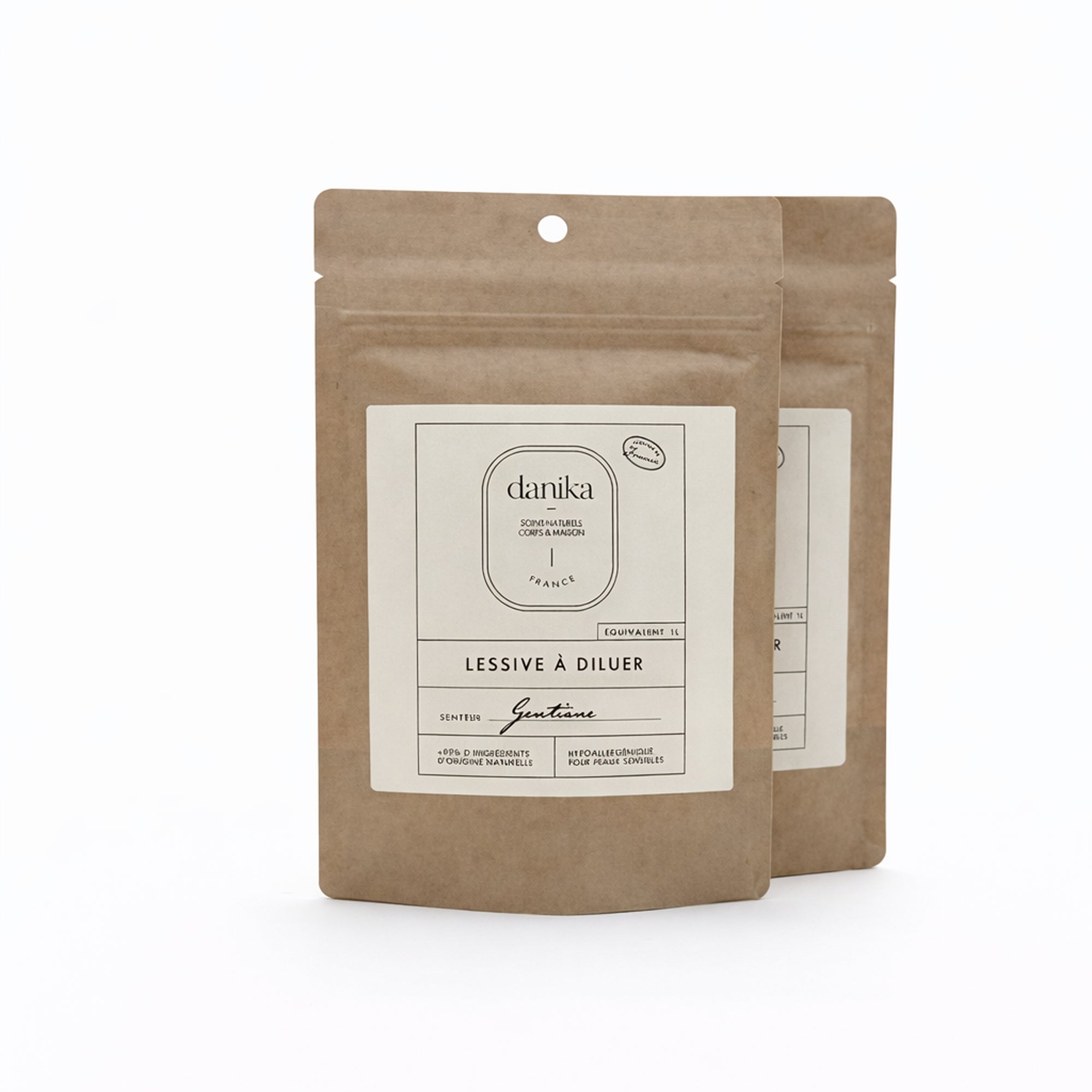
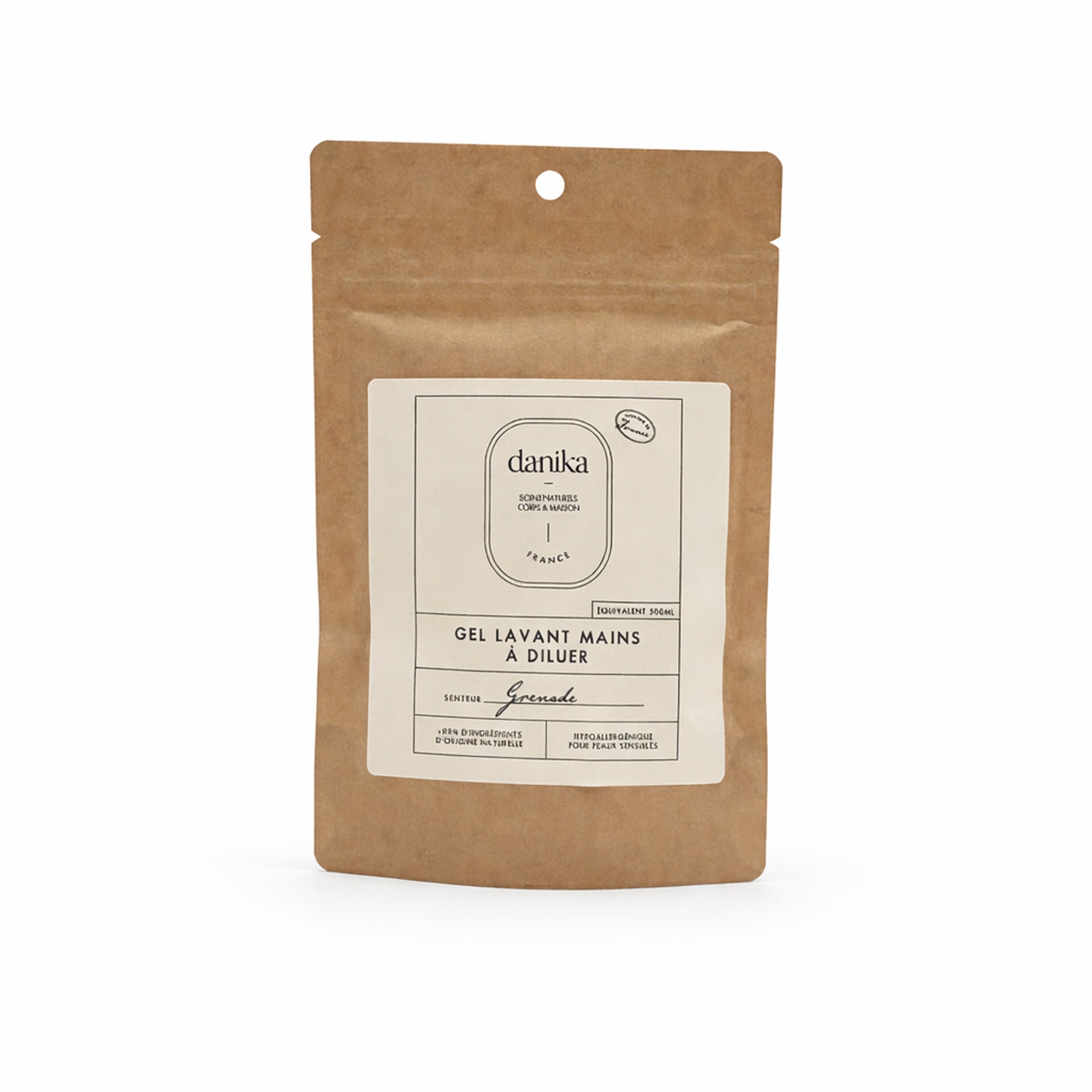
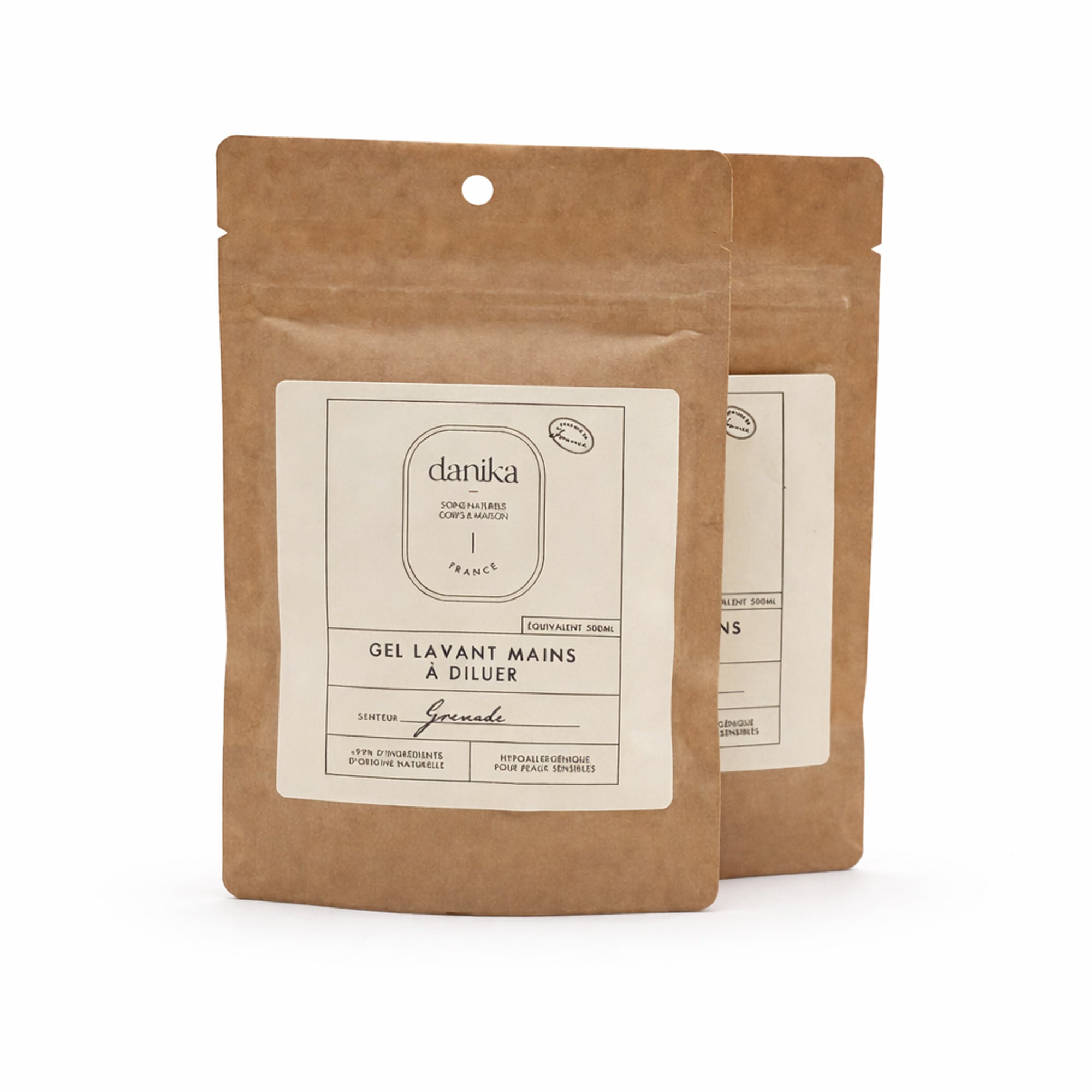
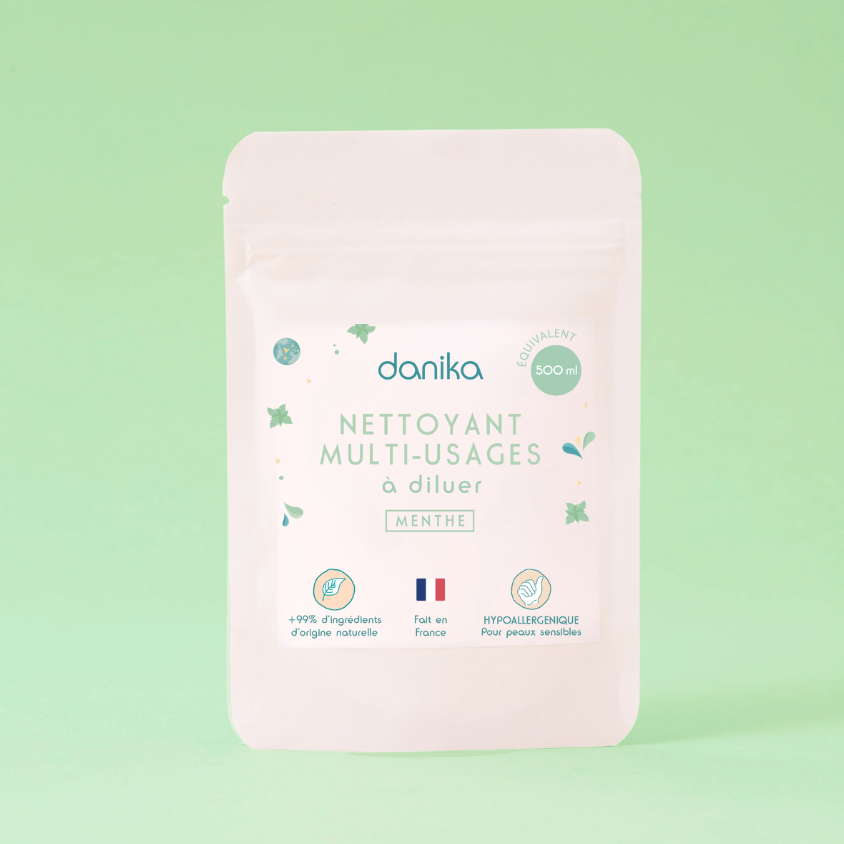
Some brands, like Danika, are moving towards systems where the packaging becomes a reusable vessel rather than immediate waste.
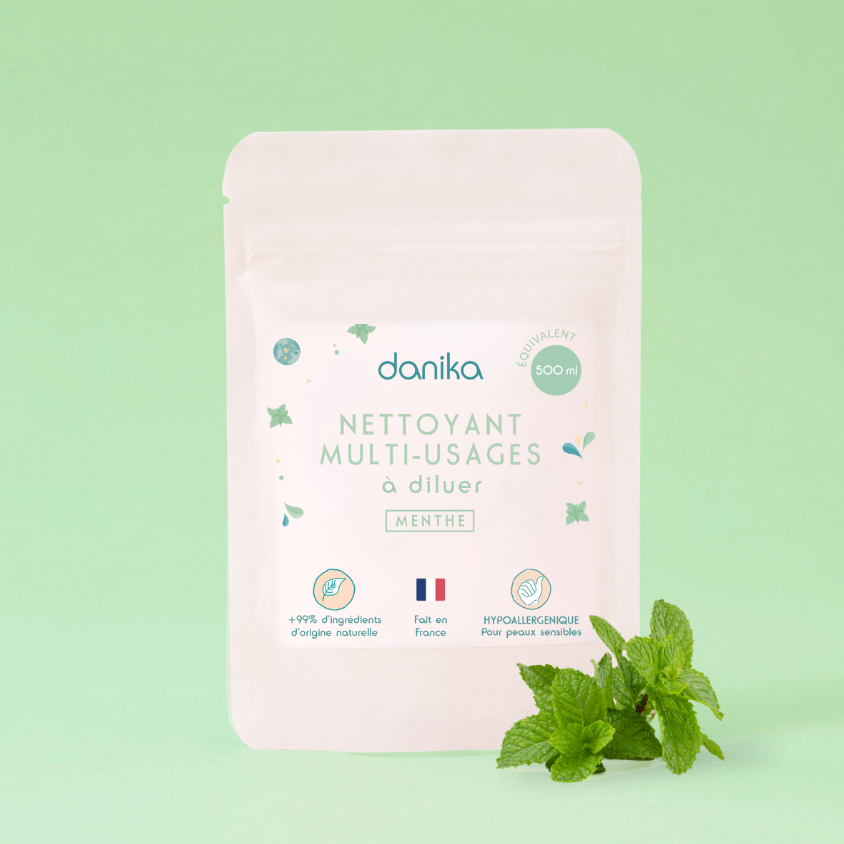
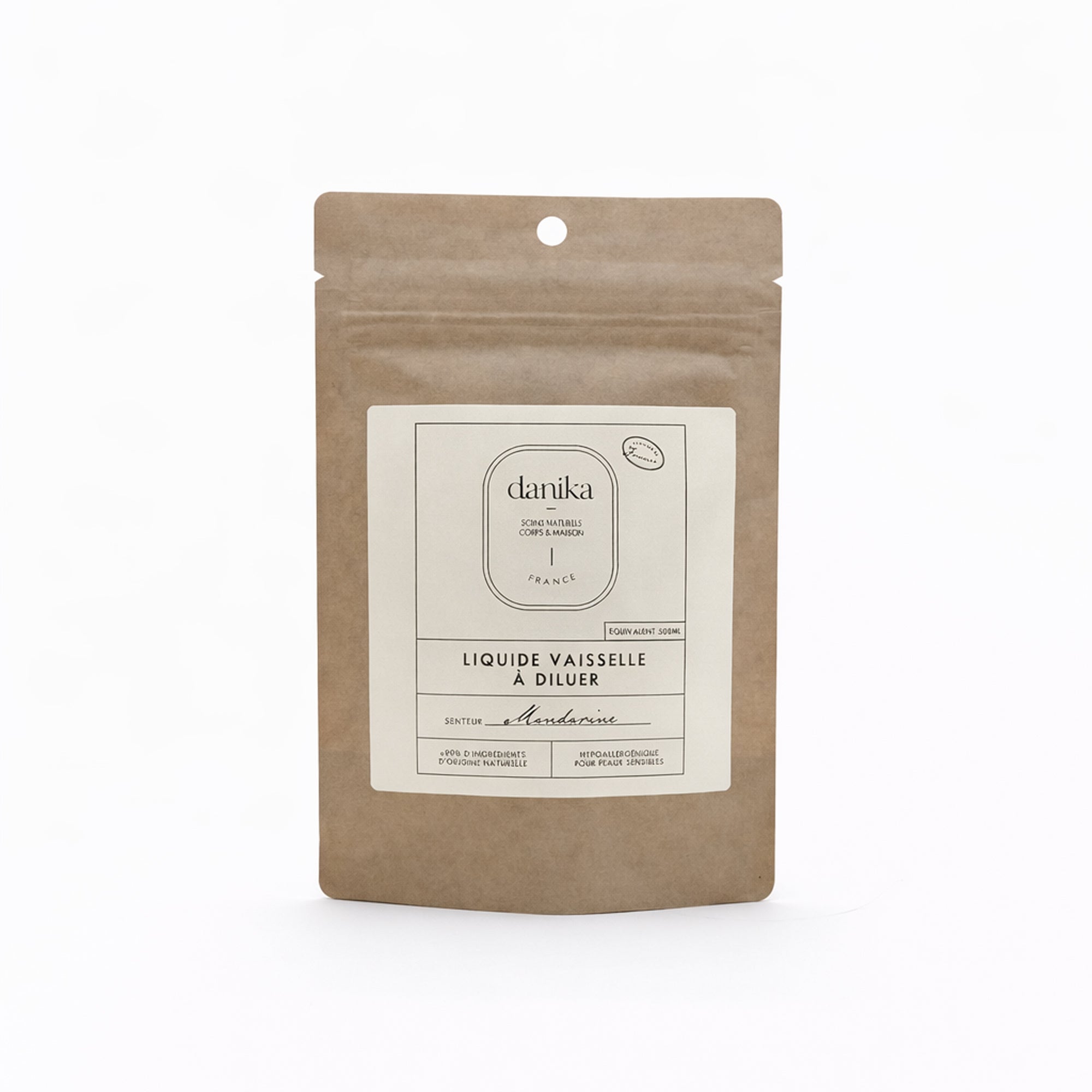
This means reusable glass bottles, paper refills, concentrated products to dilute and an overall reduction of superfluous packaging.
Consuming differently: loose, refill and reuse
Loose products and refill systems greatly reduce waste production.
In this model, packaging is no longer designed to be thrown away but to be kept and reused over the long term.
In summary: glass or plastic?
There's no universal answer.
Comparing glass and plastic gives interesting pointers, but isn't enough to decide definitively. It all depends on the product's life cycle, its actual use and above all how often it's replaced.
One thing, however, emerges fairly clearly: the main issue isn't limited to the choice of material. Reducing single-use packaging often has more impact than looking for the 'right' material in a strictly comparative logic.
Glass can represent a more sustainable alternative in many cases, particularly when it's reused over the long term. Plastic, for its part, remains problematic at the end of its life.
Ultimately, the real question goes beyond the duel between two materials. It's about the way we consume: less, for longer, and with objects designed to last rather than to be thrown away.
FAQ
Is glass always greener than plastic?
Not systematically. Glass becomes genuinely worthwhile when it's reused several times. For single use, its manufacturing and transport impact can be higher than that of plastic. Over time, however, its ability to be recycled without loss of quality gives it an important structural advantage. So the right criterion isn't only the material, but the number of cycles of use.
Why is plastic still used so much if its impact is high?
Plastic remains dominant for three main reasons: its low production energy, its reduced cost and its logistical lightness. It lets you transport less mass, and therefore reduce transport costs. That's what explains its massive presence in food, cosmetics and household products, despite its environmental limits at end of life.
Is recycled plastic a real eco-friendly solution?
Recycled plastic is an improvement, but not a complete solution. It reduces the production of virgin plastic, but it's still subject to a gradual degradation of the materials. After a few cycles, the material becomes unusable for food packaging and often ends up in secondary use (textiles, technical objects) before being permanently disposed of.
Does glass really use more energy than plastic?
Yes, at the initial manufacturing stage. Melting glass requires very high temperatures (around 1,500°C), which involves significant energy consumption. But this must be put in perspective: if the glass is reused or recycled in a loop, this initial impact is offset over the long term.
Does transport really change a packaging's environmental balance?
Yes, and significantly. The weight of glass greatly increases transport-related emissions compared with plastic. That's why some products favour hybrid solutions: reusable bottle + light refill, in order to reduce 'empty' trips.
Are microplastics only an environmental problem?
Microplastics aren't only an environmental issue. Present in the air, water, soils and the food chain, they also raise health questions. While their exact effects on human health are yet to be clarified, their widespread dispersal makes them a major subject for prevention and research.
Are all types of glass recyclable?
Packaging glass (bottles, jars, pots and flacons) is recyclable. However, so-called 'culinary' glass (crockery, drinking glasses, mirrors or certain glass dishes) can't go into the same channels, because its chemical composition and melting temperature are different. It should therefore be thrown away with household waste or directed to a specific channel according to local instructions.
Why are some plastic packages not recycled?
Even if a plastic is theoretically recyclable, several obstacles exist: the size of the object, the presence of food residue, the complexity of the polymers or the lack of suitable infrastructure in some areas.
Does 'fully recyclable' really exist?
No system is completely circular today. Even the best-performing materials such as glass or aluminium require energy to be recycled and can suffer losses in the sorting chain. The real challenge, therefore, isn't only recycling, but reduction at source.
Are compostable packages a credible alternative?
They can be, but under certain conditions. Compostable packaging needs suitable industrial infrastructure to break down properly. In home composting, many so-called 'compostable' materials don't fully decompose. They should therefore be used within a coherent system, not as a universal solution.
Is loose always the best solution?
Loose greatly reduces packaging waste, but its impact also depends on the context. A loose product transported over long distances can lose its environmental advantage. On the other hand, in a local or regional logic, it remains one of the most effective solutions for limiting waste at source.
Best Sellers



Livraison gratuite dès 49€

Paiement sécurisé

Envoi rapide

Service client réactif