
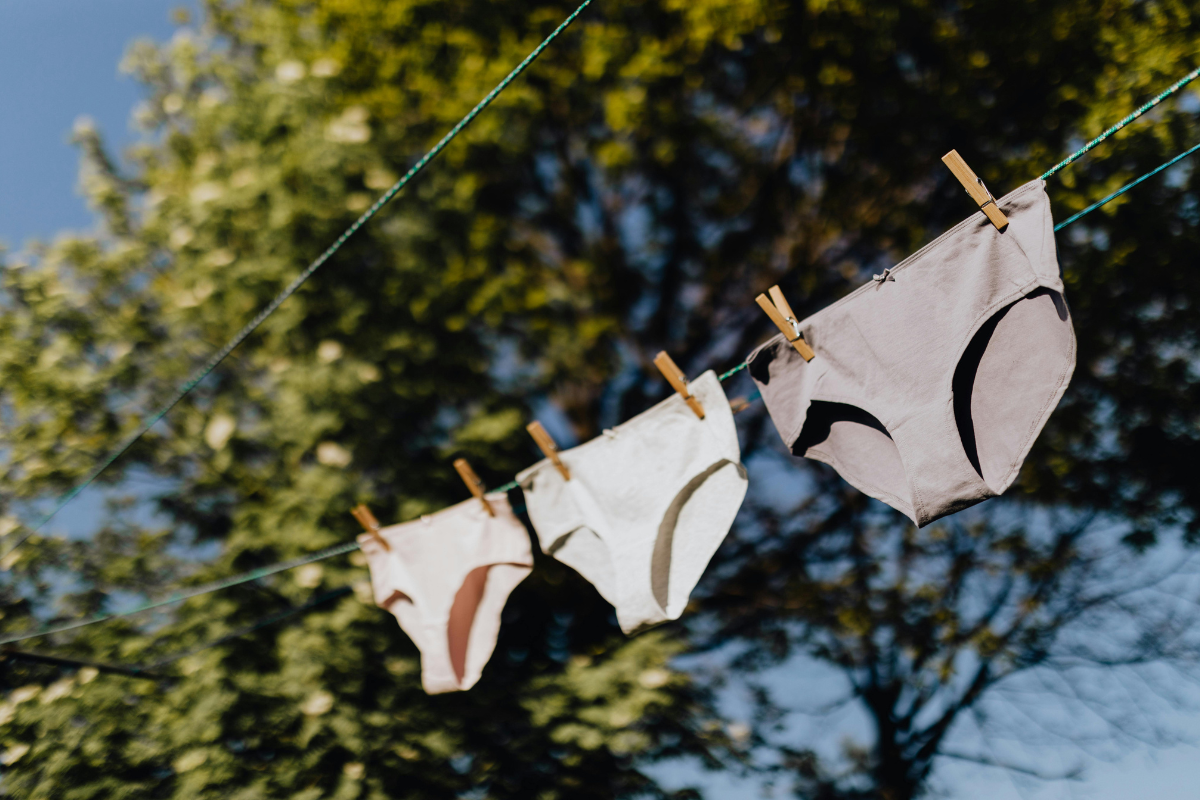
Lingerie goes with every movement of the body. Well chosen, it's forgotten. Badly fitted, it makes its presence felt at every moment. Ethical lingerie extends this requirement with materials designed to last and careful manufacture, made for everyday use.
What is ethical lingerie?
Responsible lingerie brings together pieces designed and made according to more responsible practices, whether environmental or social.
It can't be summed up as a single “natural” material or an isolated label. It rests on a set of coherent choices: better-selected fibres, more regulated manufacturing conditions, a more transparent production chain and pieces designed to last rather than to be replaced quickly.
The aim isn't to promise zero impact, but to move towards a more controlled and responsible model.
A technical piece before an aesthetic one
We often forget that lingerie is a technical garment. A bra, for example, doesn't just support: it distributes the strain between the straps, the back band and the base. When the balance is right, it becomes almost imperceptible. When it isn't, the tension is immediately transferred to the shoulders or back.
Underwear also plays a role in regulation and protection. It forms a direct interface between the skin and outer clothing, and contributes to overall comfort throughout the day.
Washing sustainable lingerie
Washing ethical lingerie calls for particular care. The materials used, often more delicate or less chemically treated, need gentle cycles and moderate temperatures to preserve the fibres and extend the life of the pieces.
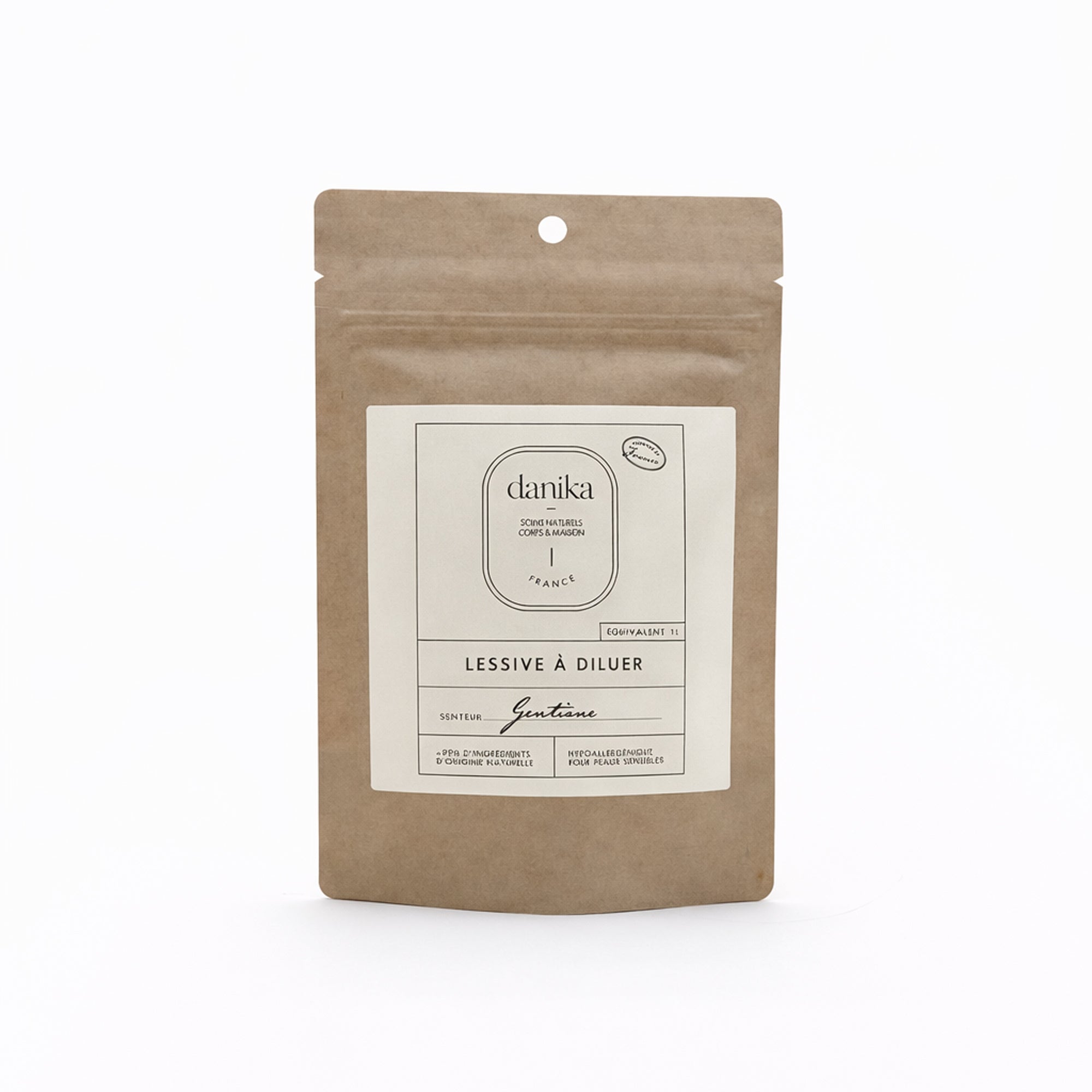
Hand washing remains the gentlest option, particularly for the finest or most structured pieces. It limits friction and preserves the elasticity of the materials. Lukewarm water and a gentle laundry detergent, ideally hypoallergenic and formulated with few ingredients, are generally enough, without wringing or excessive spinning.
When machine washing is chosen, it should be done with care. A delicate cycle at low temperature, combined with a suitable detergent and a wash bag, reduces mechanical stress. Spinning should remain limited so as not to weaken the fibres.
Finally, the tumble dryer should be avoided, as heat quickly damages the elasticity of the materials. Air drying, flat or hung depending on the piece, remains the most suitable solution.
Drying conscious lingerie
Unsuitable drying can damage a piece of lingerie.
Artificial heat, like that of a tumble dryer, acts directly on the elastic fibres: it slackens them and gradually damages the garment's structure. That's why air drying remains the safest solution.
Ideally, pieces are laid flat in an airy space to preserve their shape. They should be kept away from direct heat sources as well as the sun, which can fade fabrics and stiffen certain fibres.
Storing your ethical lingerie well
Even well cared for, lingerie quickly deteriorates if it's badly stored. Yet when you invest in more responsible pieces, often made in delicate materials such as organic cotton, recycled lace or silk, the aim is precisely to extend their life.
Unsuitable storage (bras folded, cups crushed or hooks left open) is enough to deform the structure and weaken the fibres.
A few simple habits help avoid this: nesting bras rather than piling them up, closing the hooks before storing and organising the drawer to limit friction.
Well stored, lingerie keeps its shape and support for longer, without needing premature replacement.
Eco-friendly lingerie: materials designed to last and move with the body
Not all textiles age in the same way, and that's often where a piece's durability is decided:
-
Organic cotton: valued for its softness and breathability, it generally offers a good balance between comfort and support, even after several washes.
-
Recycled fibres: they fit into a logic of reducing environmental impact by giving material a new life, provided they're worked properly.
-
Lace: often seen as fragile, it can also be durable when well designed. It all depends on the fineness of the weave, the quality of the finishing and how it's incorporated into the garment.
Beyond the fibres themselves, it's the whole textile construction that determines a piece's longevity: the quality of the seams, how well the elasticity holds and the technical choices made from the design stage.
FAQ
How do you recognise ethical lingerie?
Ethical lingerie is recognised less by a single sign than by a set of coherent clues. It highlights transparency about manufacture, the origin of materials and production conditions. The fibres used are often better regulated, such as organic cotton or recycled materials, but that alone isn't enough to define an approach.
What also matters is the overall logic: measured production, quality of finishing, durability of the pieces and a desire to limit textile waste. Ethical lingerie is more about a long-term approach than a fast-collection logic.
Are natural materials always more durable?
Not necessarily. A natural material can be comfortable and pleasant to wear, but its durability depends above all on the quality of manufacture. A well-woven organic cotton can last a long time, while a poorly worked natural fibre can wear out quickly.
Conversely, some recycled or technical fibres can offer excellent durability over time. Durability therefore doesn't depend only on the origin of the material, but on the whole design process.
Do you always have to hand-wash your eco-friendly lingerie?
It isn't compulsory, but it's often the gentlest method. Hand washing limits friction and deformation, which extends the life of delicate pieces.
Machine washing remains possible if certain precautions are respected: delicate programme, low temperature, light spin, a suitable detergent and the use of a protective wash bag. The idea is mainly to avoid repeated mechanical stress.
How often should you wash your ethical underwear?
Since underwear is in direct contact with the skin, it should be washed after each wear. This maintains good hygiene and limits the growth of bacteria.
Why avoid the tumble dryer for sustainable lingerie?
The tumble dryer exposes the fibres to intense, prolonged heat. This heat acts directly on the elastics, which gradually lose their tension, and on delicate materials, which can become weakened.
Over time, this leads to a loss of support and deformation of the pieces. Air drying therefore remains the kindest solution, particularly for preserving the lingerie's original shape.
How do you store lingerie made from responsible materials to make it last?
Storage often plays an underestimated role in how long pieces last. Bras should keep their shape, without being crushed or turned inside out. Cups can be gently nested inside one another to avoid deformation.
Underwear, for its part, is better folded without excessive compression. The aim is to preserve the elasticity of the materials and the overall structure of the pieces.
Is ethical lingerie necessarily more expensive?
Not systematically, but it can reflect a higher production cost. Better-quality materials, regulated manufacturing conditions and more limited production volumes naturally influence the final price.
However, lingerie designed to last longer can also represent a better investment over time, by reducing the need for frequent replacement.
Is responsibly designed lingerie better for the skin?
It can be, particularly when it limits irritating substances and favours better-controlled materials. Certified or better-regulated textiles often reduce exposure to certain chemical treatments.
But tolerance remains personal: every skin reacts differently. Comfort depends as much on the material as on the cut and fit.
Can you combine aesthetics and ethical lingerie?
The two aren't opposed. Ethical lingerie has diversified widely and now offers refined, fine and attractive pieces, without giving up on manufacturing standards.
The challenge is to find a balance between design, comfort and durability, rather than favouring appearance alone or technique alone.
Best Sellers


Livraison gratuite dès 49€
Paiement sécurisé

Envoi rapide

Service client réactif