
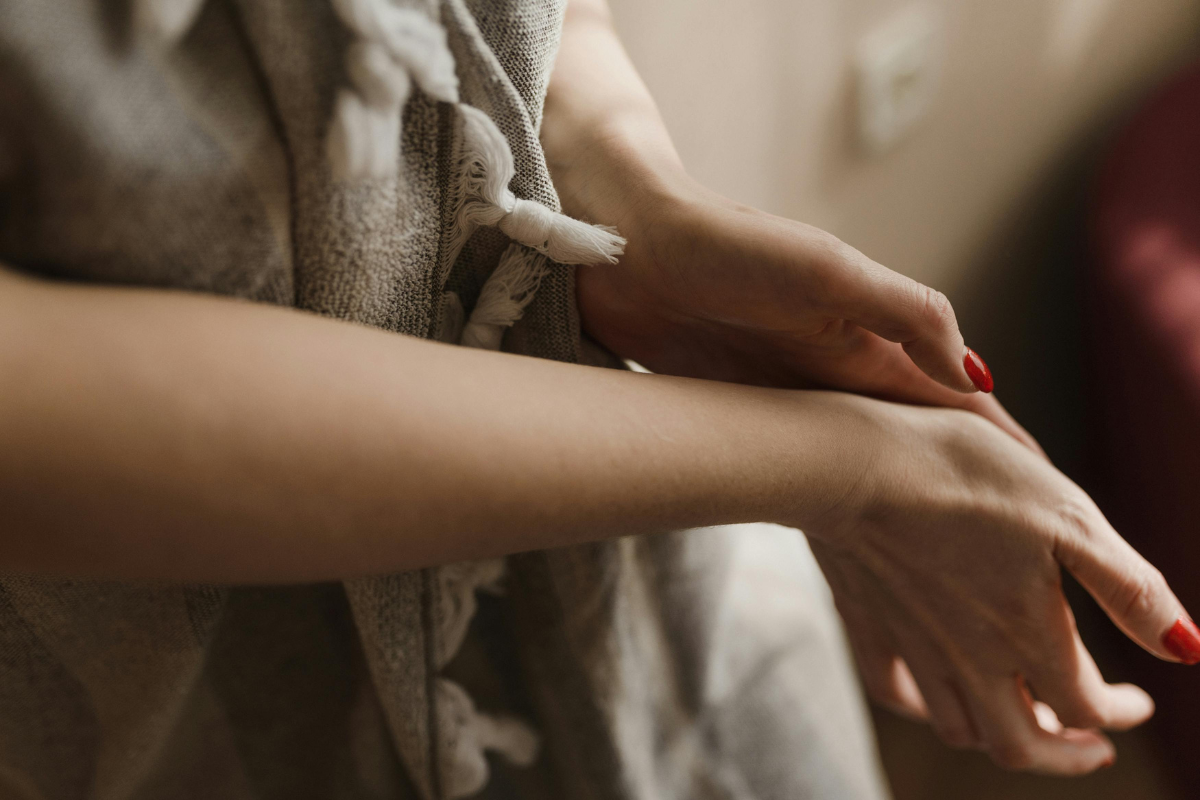
Redness, tingling, persistent itching, a feeling of tightness… The skin reacts, and discomfort sets in. Skin sensitivity is part of daily life for many people. And over time, one observation often comes up: despite the creams tried, irritation doesn't always go away as easily as hoped.
In many cases, the discomfort doesn't come from a single product, but from a combination of everyday factors.
Why does skin become sensitive?
Sensitive skin covers several profiles: dry, reactive, intolerant or atopic. They all have one thing in common: a weakened skin barrier. The epidermis protects less effectively, which makes the skin more reactive to external aggressions.
Among the most common factors:
-
Environmental conditions: cold, heat, pollution, dry air
-
Everyday products: laundry detergent, washing-up liquid, unsuitable cosmetic products
-
Textile friction: irritating clothes or synthetic materials
-
Stress, which can amplify skin reactions
-
A genetic predisposition in some cases
These irritations show up as redness, itching or burning sensations, sometimes with an impact on morale: one study indicates that 69% of people affected by eczema report a negative effect on their self-confidence.
The indoor environment plays a direct role
Beyond the care applied to the skin, the everyday environment strongly influences skin reactions. Eczema doesn't depend only on what's applied to the epidermis, but also on what surrounds it continuously.
Air that's too dry, often linked to heating in winter or air conditioning in summer, can heighten feelings of tightness and further weaken the skin barrier. Conversely, a slightly humidified atmosphere helps the skin retain its natural hydration better.
Dust, dust mites and certain soft furnishings can also play a role in repeated irritation, especially in poorly ventilated or overheated spaces.
Without radically changing the home, a few simple adjustments can already improve skin comfort: airing regularly, limiting dust sources and avoiding excessive heat in living spaces. The aim isn't to control everything, but to reduce the invisible factors that maintain discomfort.
The vicious circle of scratching
Itching almost always triggers the same reflex: scratching to relieve the sensation immediately. Yet this action, even occasional, maintains an inflammatory mechanism.
Scratching weakens the already fragile skin barrier, creates micro-lesions and encourages even greater reactivity. The more the skin is disturbed, the more sensitive it becomes and the more the itching returns.
This is what's known as a vicious circle: irritation leads to a relief action, which reinforces the irritation.
Breaking this cycle doesn't rest on willpower alone. It also comes through gentle alternatives to soothe the sensation without aggravating the skin, and through a routine that limits the trigger factors upstream.
Soothing eczema itching: the most common mistakes to avoid
Some habits, often seemingly harmless, can heighten skin reactions.
The main mistakes:
-
Products containing essential oils or overly concentrated fragrances. Even if pleasant, they can be irritating to reactive skin. Fragrance-free or very gentle formulas are generally better tolerated.
-
Insufficient cleansing of the skin.
-
Showers that are too long or too hot. They weaken the skin barrier and increase dryness.
-
A lack of moisturising. Without suitable care, the skin remains more vulnerable to external aggressions.
Eczema: how to soothe sensitive or atopic skin day to day?
A simple, regular and gentle routine generally remains the most effective. Cleansing gently, moisturising morning and evening and limiting harsh products form an essential base.
The most suitable care is generally:
-
pH-neutral formulas
-
hypoallergenic products
-
superfatted soaps, which help restore the hydrolipidic film
That's not all! Everyday products also play a role… Choosing a washing-up liquid that's gentle and hypoallergenic can limit reactions linked to repeated skin contact. The same is true with a hypoallergenic laundry detergent or a hand wash.
Flare-up or prevention: two complementary approaches
Eczema isn't experienced in a linear way. There are periods of flare-ups, where itching and redness are more intense, and calmer phases, where the skin seems more stable.
These two moments don't call for the same approach.
During a flare-up, the aim is to soothe quickly: reduce irritation, limit aggressions and restore a minimum of skin comfort.
In calmer periods, the challenge is different: strengthen the skin barrier and reduce everyday trigger factors to space out the episodes.
In other words, managing eczema rests on a balance between immediate reaction and long-term prevention. It's this continuity that gradually helps stabilise the skin and reduce recurring discomfort.
The importance of hypoallergenic laundry detergent for sensitive skin
It's a fact! Laundry is in direct contact with the skin for several hours a day. An unsuitable detergent, too heavily fragranced or badly rinsed, can encourage irritation and itching.
A few simple habits help limit these reactions:
-
Favour a hypoallergenic detergent
-
Ensure the laundry is well rinsed
-
Avoid heavily fragranced fabric softeners
Laundry products intended for babies are also often used as an alternative for sensitive skin.
Atopic skin and eczema: particular attention at Danika
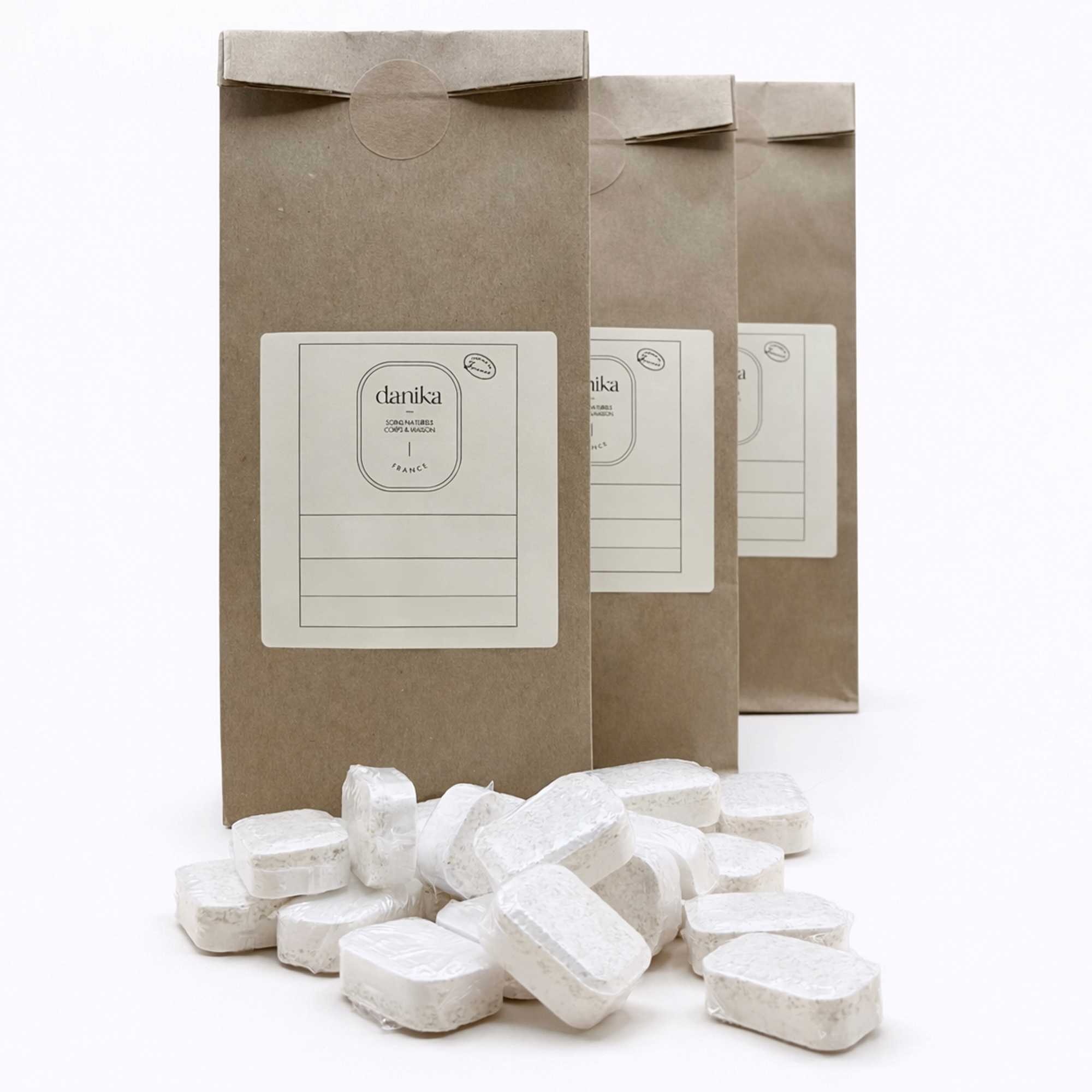
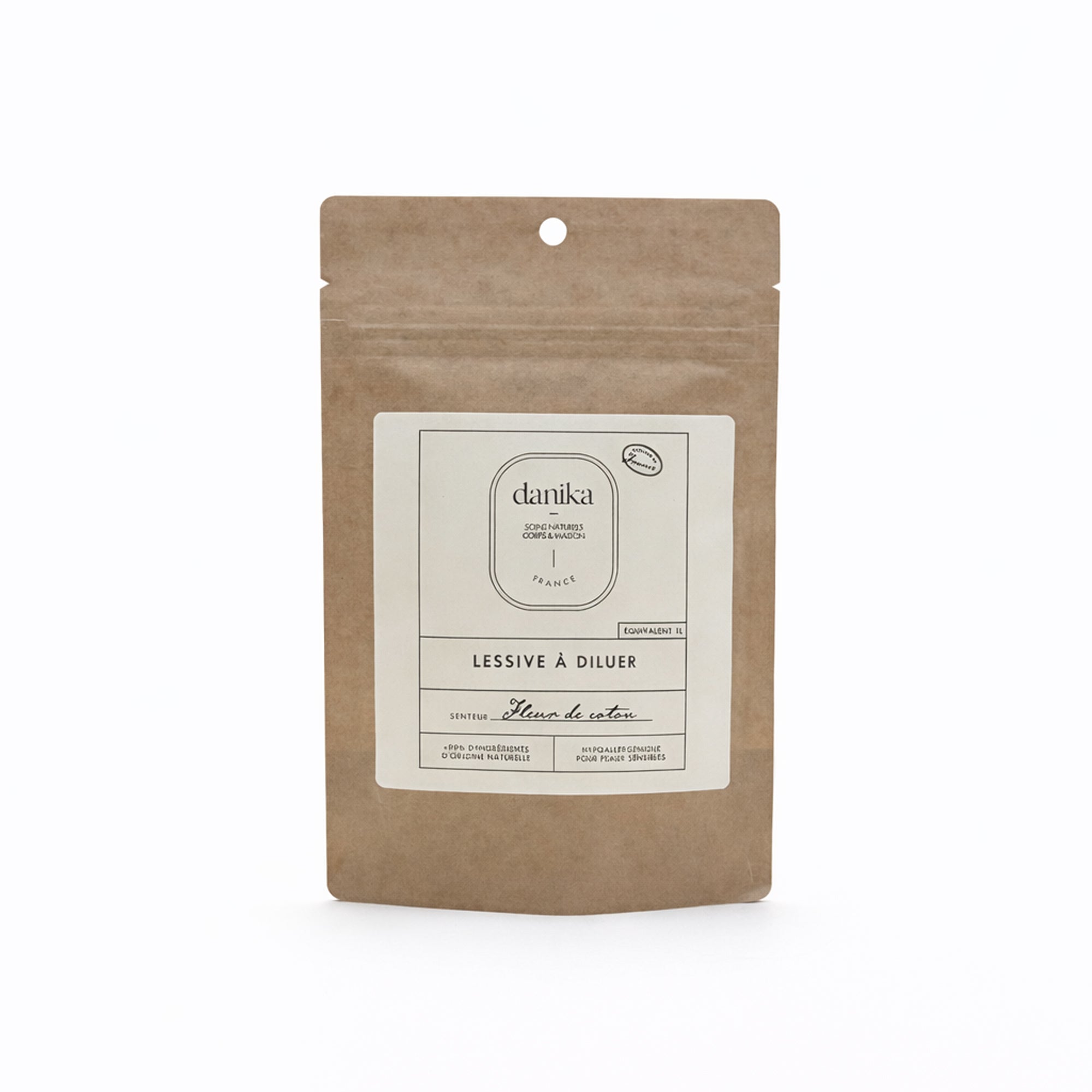
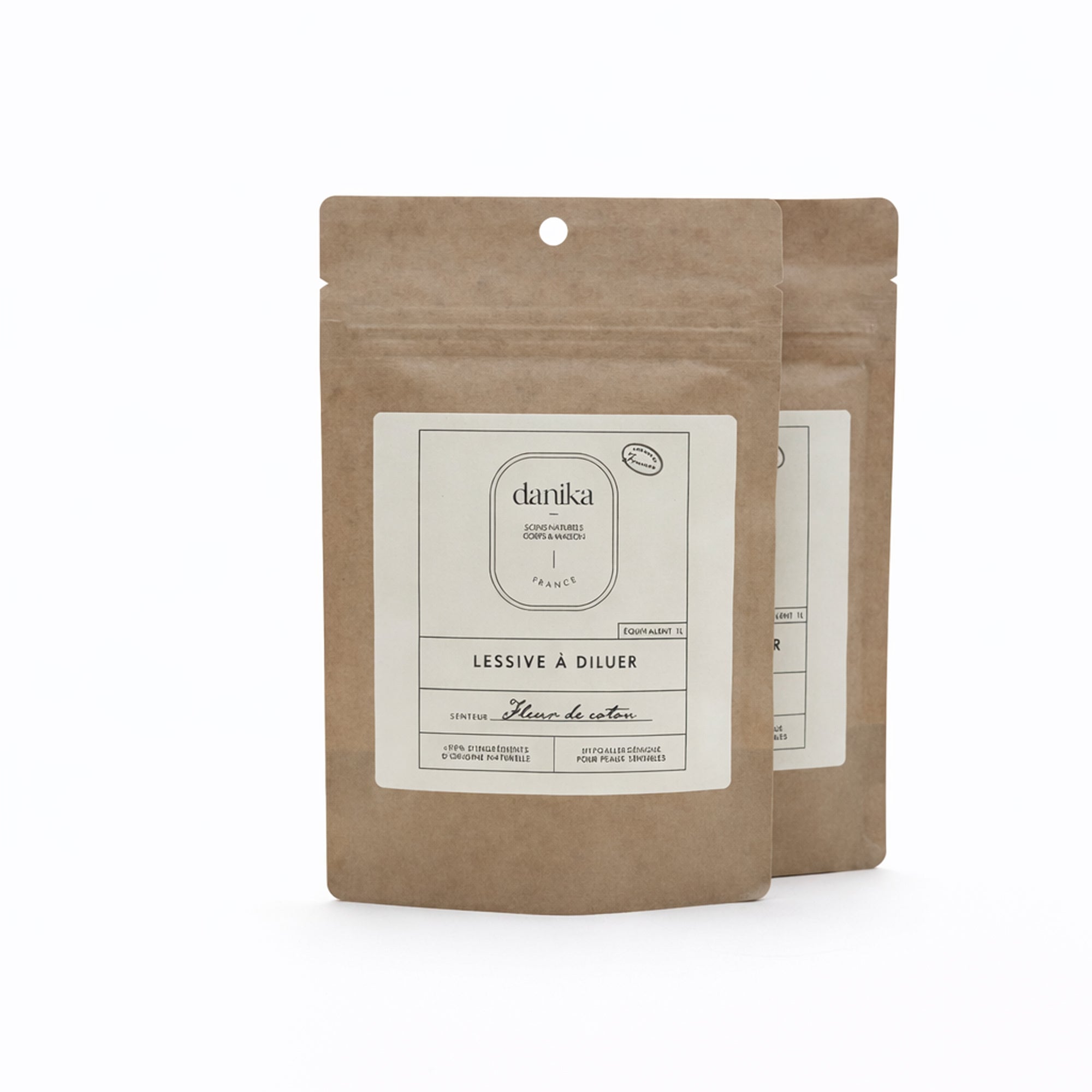
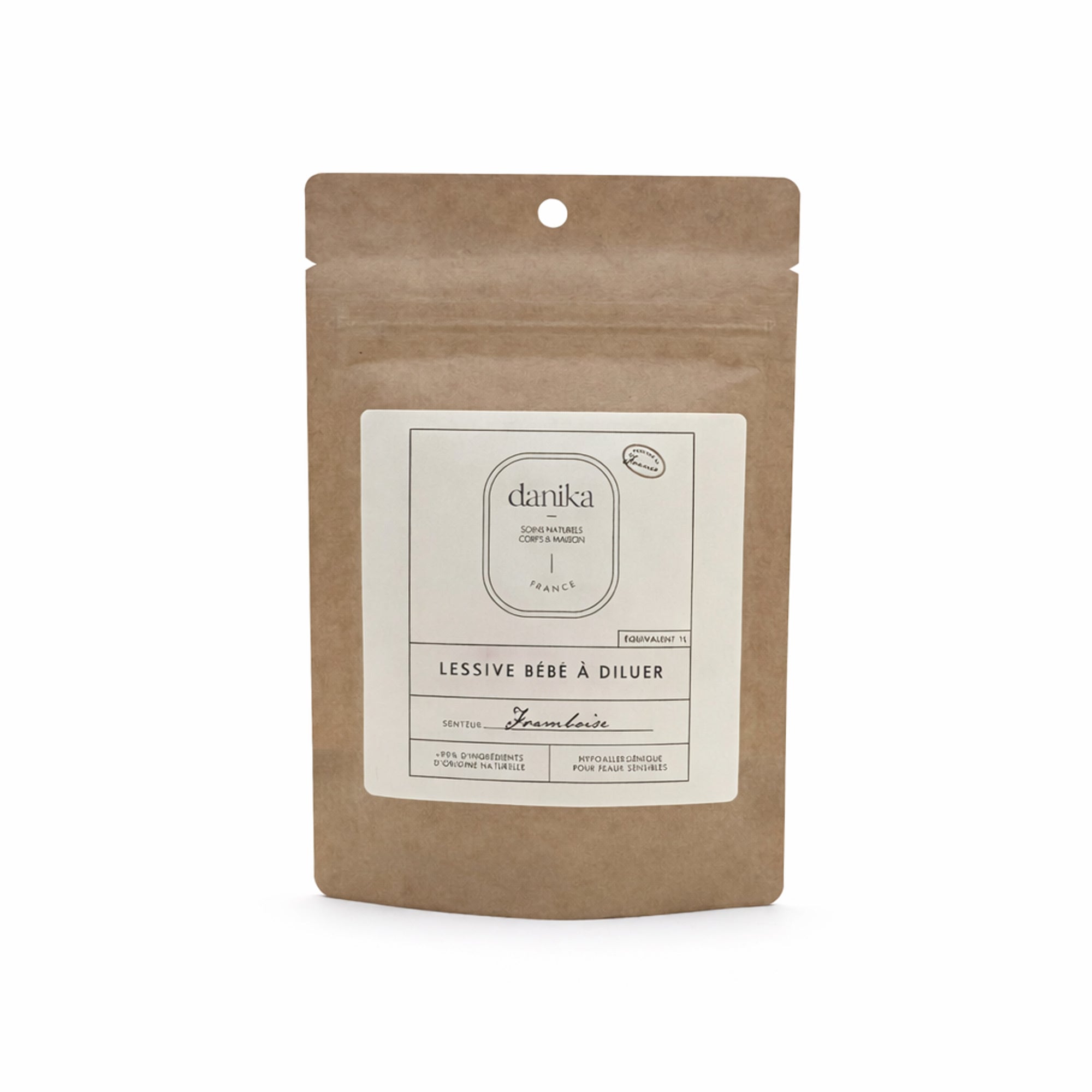
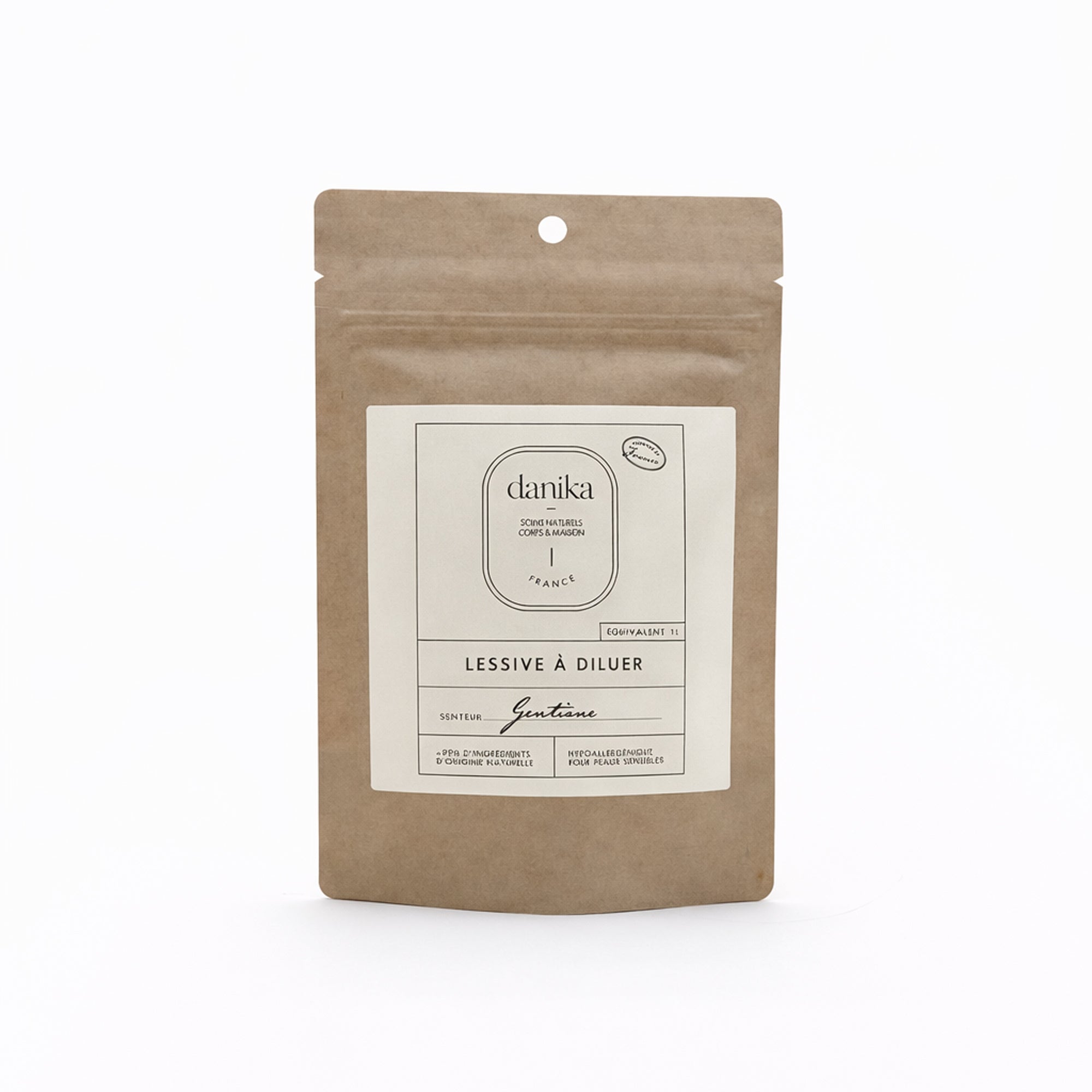
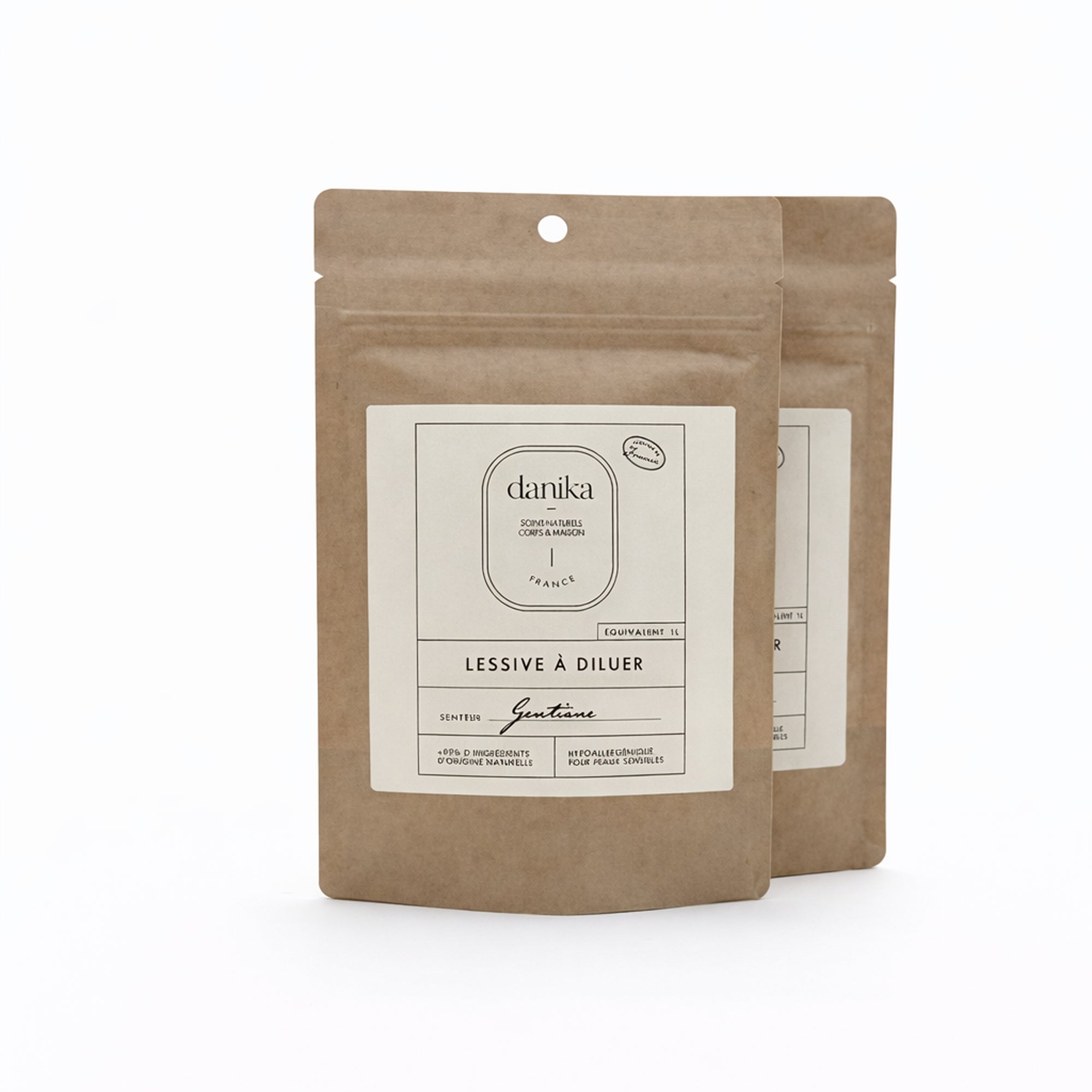
Danika has developed a hypoallergenic laundry detergent designed for sensitive skin and babies. A formula made from over 99% ingredients of natural origin, plastic-free, made in France.
The aim? To offer a product that's kind to the skin, while keeping everyday effectiveness and simplicity of use.
FAQ
Why is eczema itching worse in the evening?
Itching tends to intensify in the evening because the skin is more at rest, distractions decrease and the sensation becomes more noticeable. The warmth of the bed or slightly dehydrated skin can also heighten the discomfort.
Should you moisturise your skin even without an eczema flare-up?
Moisturising isn't limited to flare-up periods. Regular application helps strengthen the skin barrier and limit the frequency of outbreaks. It's a key everyday prevention step.
Are natural products always suitable for atopic skin?
A 'natural' product isn't automatically suitable for sensitive skin. Some essential oils or plant extracts can be irritating. Hypoallergenic, fragrance-free formulas generally remain safer.
Can stress really worsen eczema?
Stress doesn't directly cause eczema, but it can amplify skin reactions and make itching more intense. It acts as an aggravating factor on already fragile skin.
Why avoid scratching an itchy area?
Scratching maintains inflammation and weakens the skin barrier. It creates a vicious circle: the more the skin is irritated, the more it itches, and the harder scratching becomes to control.
Can a laundry detergent cause irritation?
A detergent that's too heavily fragranced or badly rinsed can leave residue on textiles. Since laundry is in prolonged contact with the skin, this can be enough to trigger reactions on sensitive or atopic skin.
Which fabrics should you favour with eczema?
Natural materials such as soft cotton are generally better tolerated. Synthetic textiles or rough fabrics can increase friction and heighten irritation.
How long does it take to soothe irritated skin?
The time varies from person to person and with the intensity of the outbreaks. A suitable, regular routine generally helps gradually reduce the discomfort and stabilise the skin over the long term.
Best Sellers


Livraison gratuite dès 49€

Paiement sécurisé

Envoi rapide

Service client réactif