
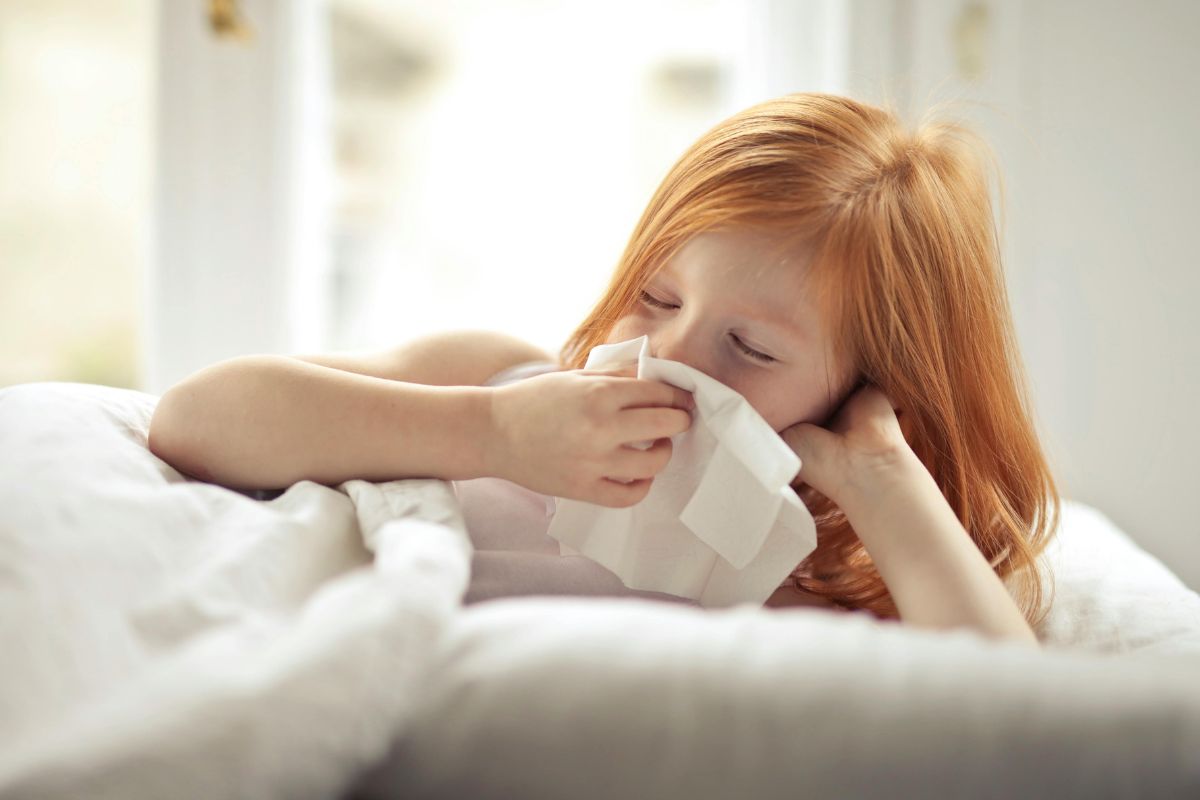
Did you know? According to INSERM, 25 to 30% of the population now suffers from at least one allergy. A striking figure — all the more so as allergic diseases are nearly seven times more common than they were thirty years ago! Here are 10 simple tips to fight allergies.
1 – Vacuum at least twice a week
To get rid of dust, pollen and dust mites, vacuum regularly — at least twice a week.
A tip: use a powerful vacuum cleaner fitted with a filter that traps allergen particles.
2 – Keep pets out of the bedroom
Does your cat love lounging on your bed? Does your dog join you the moment you rest your head on the pillow? Furry friends are adorable! Unfortunately, their coat is covered with allergen particles, dust, pollen and dust mites that they leave on your duvet…
To limit the risk of allergies, keep your little companion out of your bedroom — at least during the spring season.
3 – Allergies: tackle mould in the home
Want to reduce the growth of mould indoors? The solution is to keep humidity low, below 50%. To do this, open the windows wide every morning. You can also use a dehumidifier or have a mechanical ventilation system fitted.
4 – Wash bedding every week
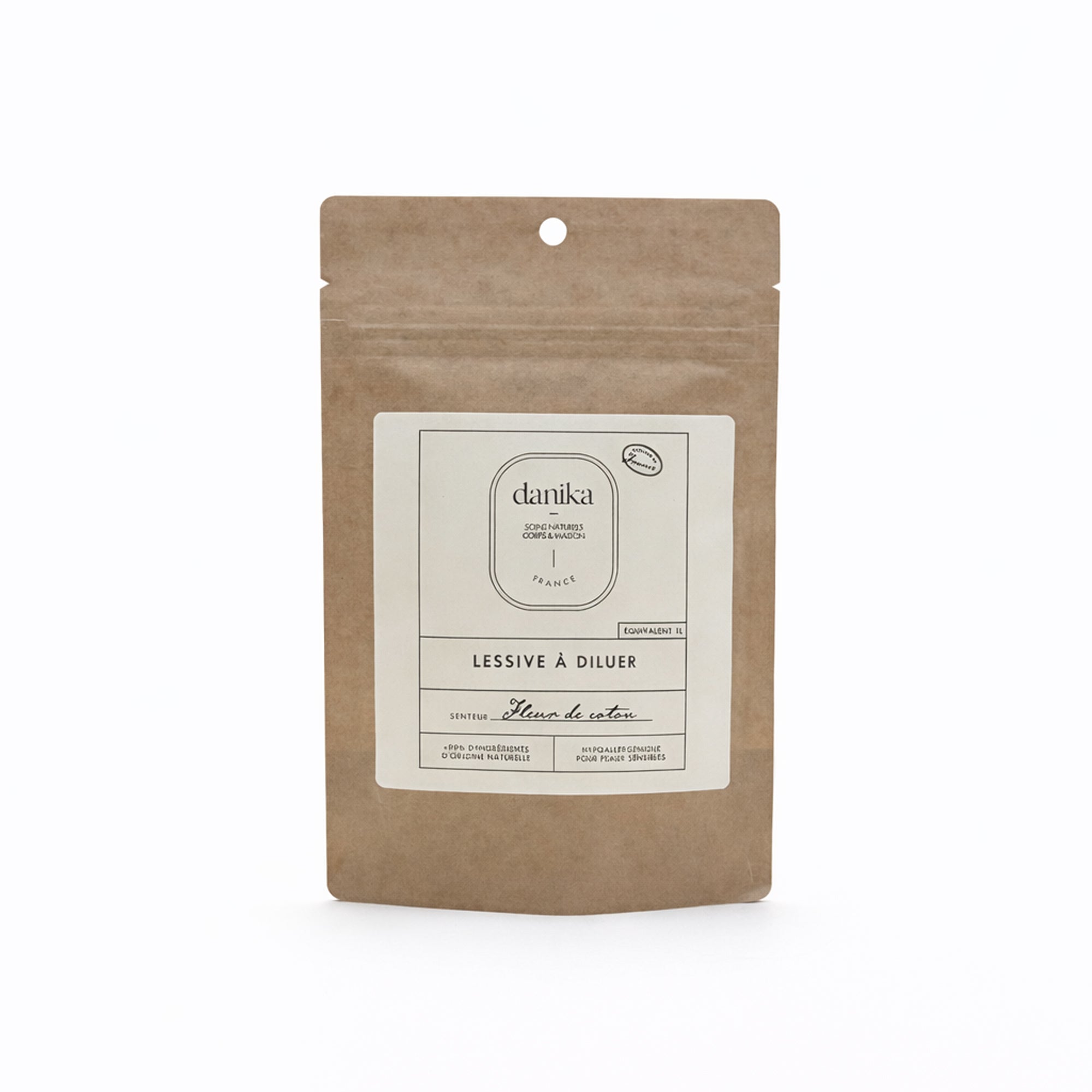
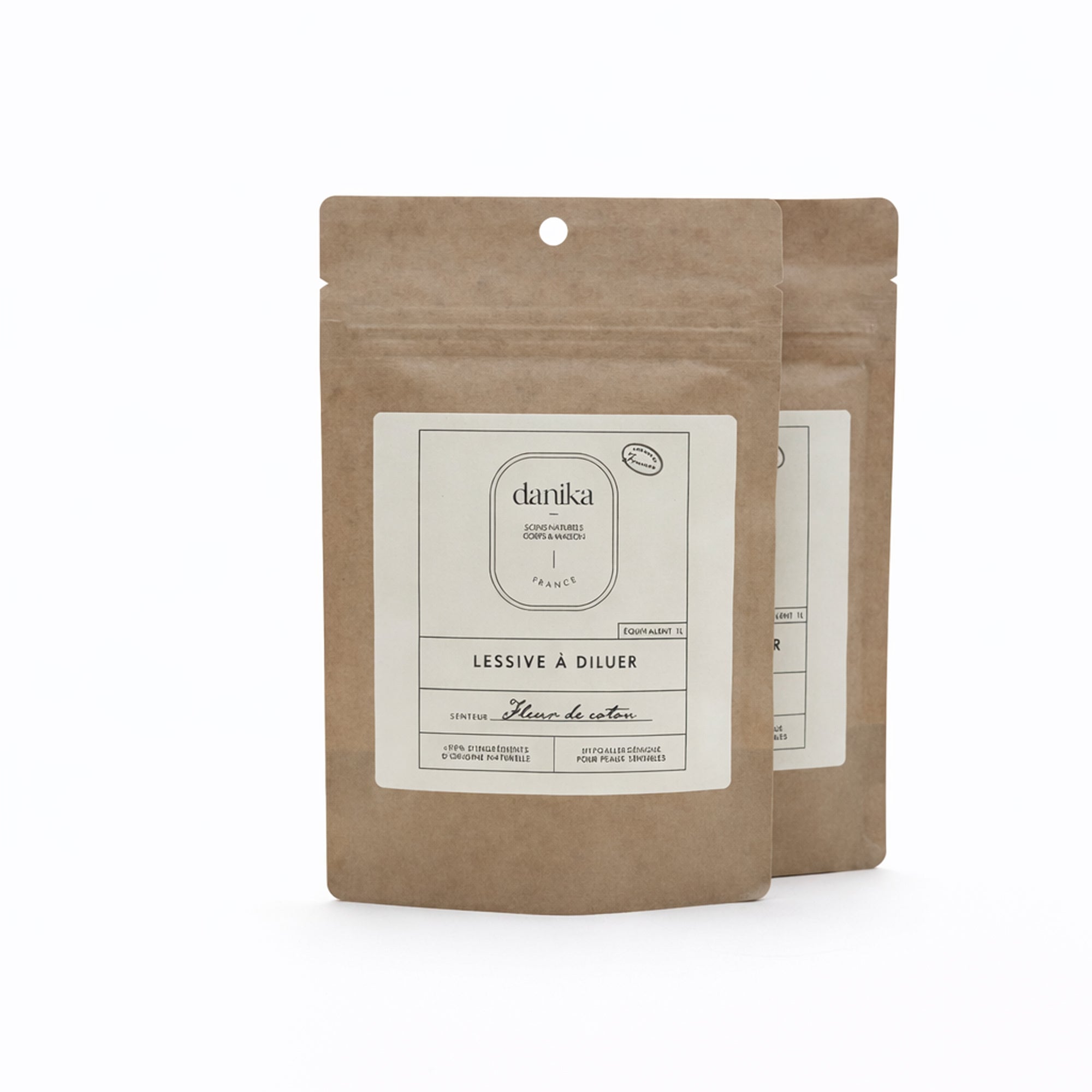
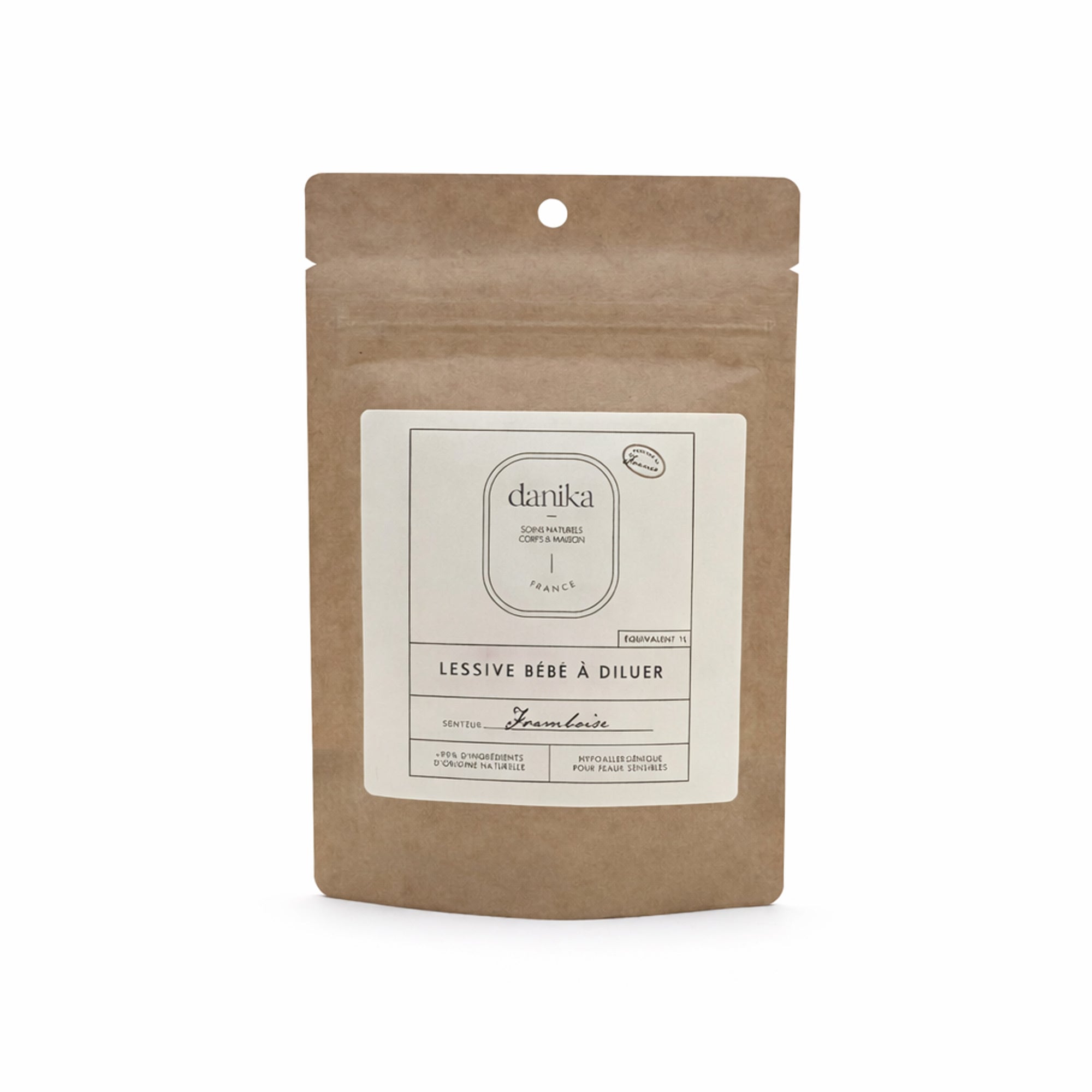
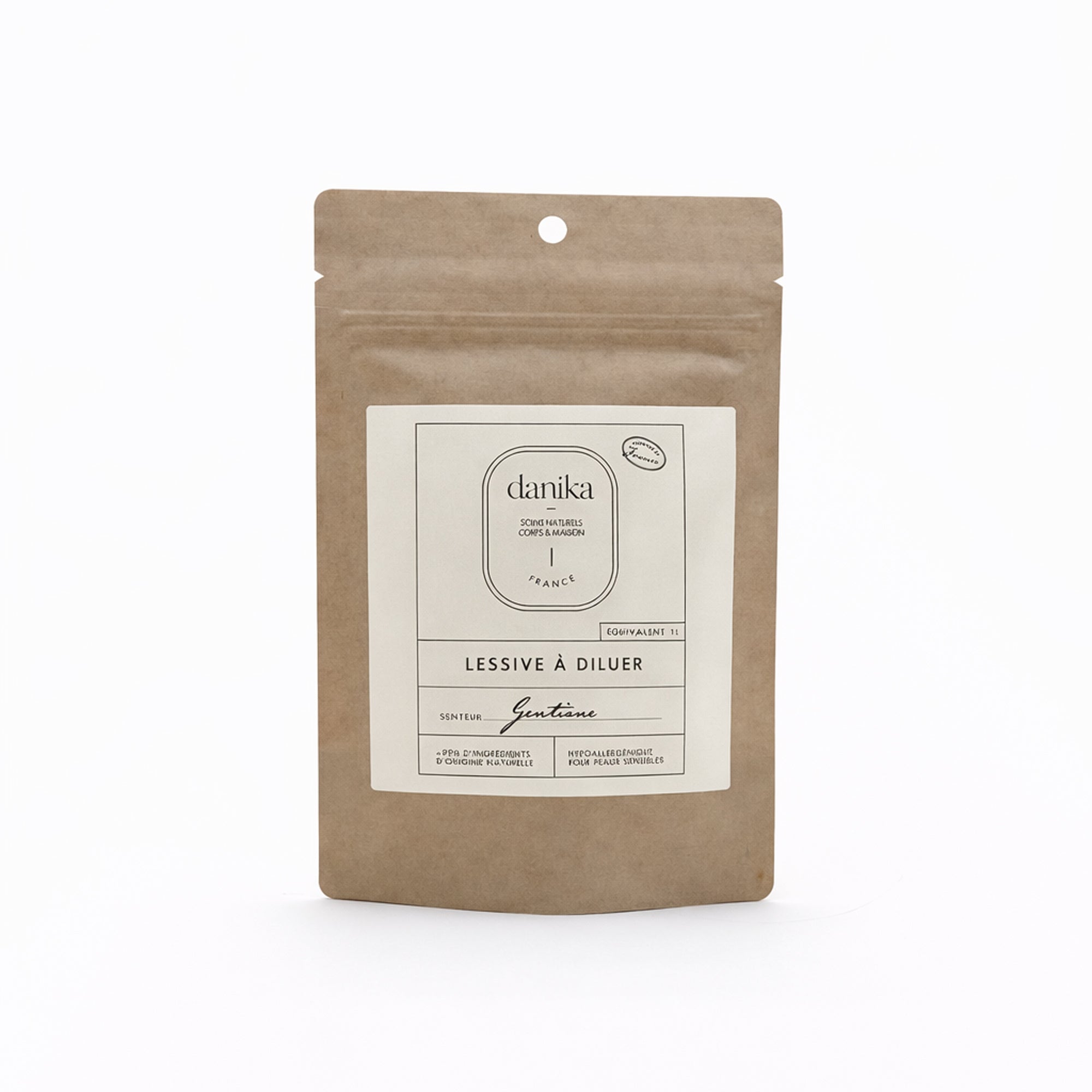
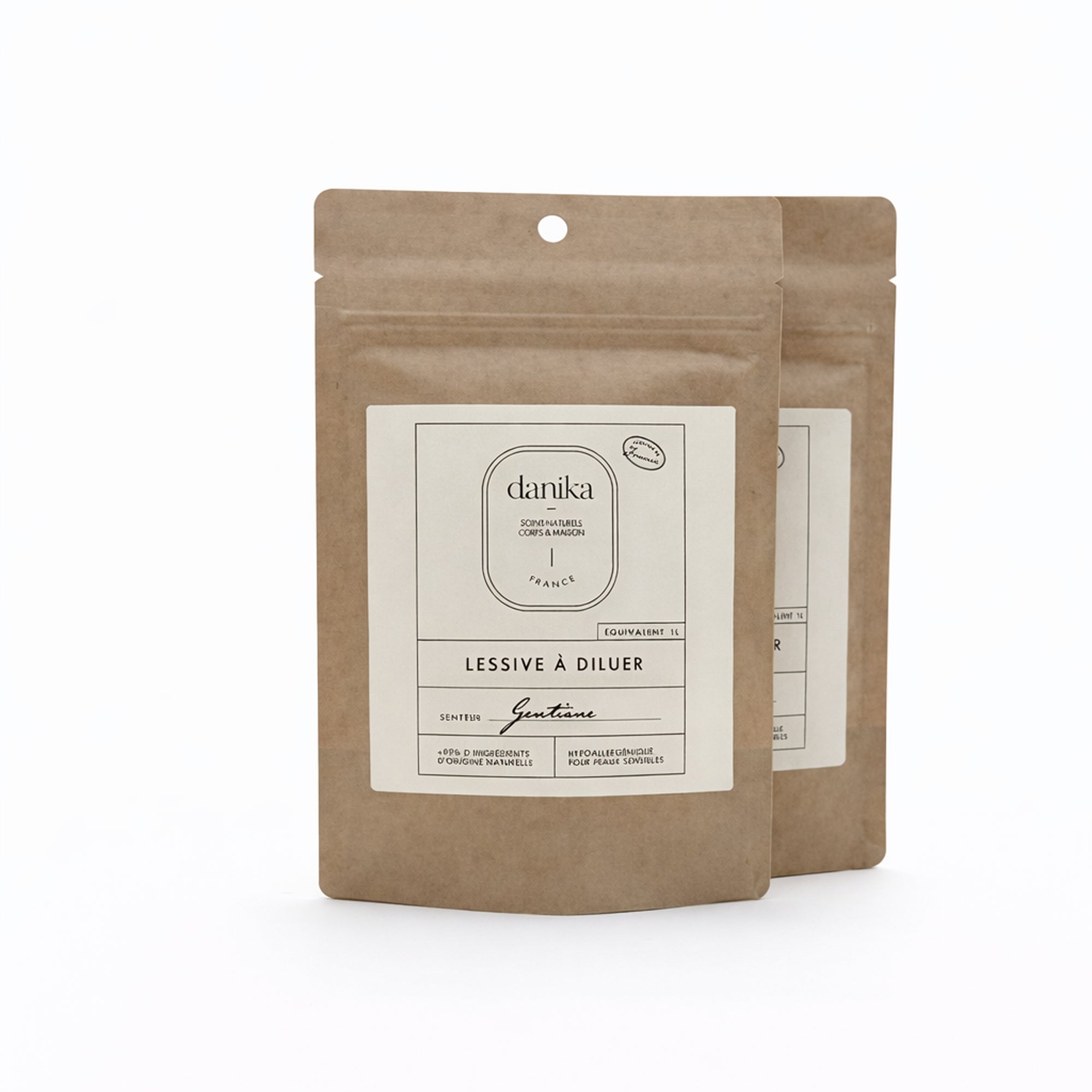
Want to prevent allergies? Wash your bedding every week with a hypoallergenic product, such as Danika laundry detergent of natural origin. We recommend a 60°C programme to be sure of killing dust mites.
5 – Take care of soft toys and comforters
Do your children adore their cuddly toys? You should wash these regularly with a hypoallergenic detergent. Some can't go in the washing machine? In that case, slip them into a plastic bag and place them in your freezer for 12 hours to kill dust mites.
To learn more about caring for soft toys and comforters, discover our dedicated article.
6 – Opt for anti-dust-mite covers
To fight allergies, protect your mattress with an anti-dust-mite cover. You can choose a cover in synthetic material or in pre-treated bamboo fibres.
Note: some mattresses are given an anti-dust-mite treatment during manufacture.
7 – Keep an eye on the indoor temperature
To minimise the risk of allergies, the inside of the home should stay cool. Ideally, we recommend setting the thermostat between 18°C and 20°C in bedrooms. That's the ideal temperature to keep the air healthy and limit the spread of dust mites.
8 – Look after carpets, hanging fabrics, curtains, rugs and upholstered furniture
It's a fact! Soft furnishings are reservoirs. To prevent allergies developing, avoid covering the floor with rugs or carpet. Machine-wash curtains at least once a year and vacuum the sofa and all fabric items at least once a week.
9 – Prefer 'natural' materials
Modern furniture is an assembly of plastics, glue and varnish. It releases harmful substances into the home's air — organic compounds that irritate the airways and mucous membranes.
For better health, pay attention to the quality of the furniture you buy.
10 – Allergies: choose your household products carefully
To put an end to airborne pollutants and allergies of all kinds, choose the household products you use carefully. Opt for laundry detergents, multi-purpose cleaners, washing-up liquids or hand washes formulated with ingredients of natural origin. Gentle on both skin and the environment, they can be used by the whole family, from the youngest to the oldest.
FAQ
Have allergies really been rising for several years?
Yes. Allergies have risen sharply over the past few decades. According to INSERM, between 25% and 30% of the population is now affected by at least one allergy, and allergic diseases are thought to have increased nearly sevenfold in thirty years. This rise is linked in particular to changes in our environment, climate change and increased exposure to allergens.
What exactly is an allergy?
An allergy is a malfunction of the immune system. The body wrongly identifies a normally harmless substance, called an allergen, as a threat. In response, it triggers an excessive defensive reaction, which causes the allergy symptoms. This reaction is linked in particular to the release of histamine in the body.
Why does pollen cause allergies in spring?
Pollen is a particle released by certain plants to ensure their reproduction. In spring, its concentration in the air rises sharply, carried by the wind. When it comes into contact with the airways or the eyes, it can trigger allergic reactions in sensitive people. Peaks are often seen in the middle of the day.
What are the most common symptoms of pollen allergies?
Symptoms vary from person to person, but generally include repeated sneezing, a runny or blocked nose, red and irritated eyes, itching in the nose or throat, and sometimes skin reactions. These can be more or less intense depending on the amount of pollen in the air.
Can pollen get into the house?
Yes. Pollen doesn't only stay outside. It can enter the home through windows, but can also be carried in on clothes, hair or skin. Once inside, it settles on textiles, furniture or bedding, which can prolong exposure to allergens even without going out.
Should you avoid certain activities if you have pollen allergies?
Some outdoor activities can increase pollen exposure, such as mowing the lawn, gardening or playing sport outdoors. Physical effort increases breathing, which encourages pollen inhalation. During periods of high concentration, it can help to schedule these activities for the least exposed times of day.
What time of day is pollen most present?
Pollen concentration varies throughout the day. It is generally lower early in the morning and late in the evening, while the middle of the day often corresponds to a peak. Airing the home or going out at these times can therefore increase exposure to allergens.
How can you limit pollen getting into the house?
To reduce pollen indoors, it's advisable to change your clothes when you get home, avoid lying directly on the bed or sofa after being out, and limit opening the windows to the least exposed times. Clothes and hair are genuine carriers of pollen.
Is there a treatment to reduce allergies?
Yes. Alongside hygiene and prevention measures, desensitisation can be offered by an allergist. It involves gradually exposing the body to the allergen in order to reduce its reaction over time. This treatment takes place over several months, or even several years, in the form of drops or tablets.
Best Sellers




Livraison gratuite dès 49€

Paiement sécurisé

Envoi rapide

Service client réactif